Spring Tree Care Tips for a Healthy Yard

Summary: Spring Tree Care Tips can help you spot winter damage early, prune with better timing, refresh mulch correctly, and support healthy root growth before summer stress arrives. When you combine simple inspections, proper watering, and timely professional help, your Minnesota yard has a much better chance of staying safe, attractive, and healthy all season. :contentReference[oaicite:0]{index=0}
As snow melts and the ground begins to warm, Spring Tree Care Tips become one of the smartest ways to protect your landscape investment. Early spring is the time to look for broken limbs, winter stress, bark injury, and root-zone problems before leaves fully hide them. At
Minnesota Tree Experts,
we encourage homeowners to use spring as a reset point for tree health, structure, and long-term safety. :contentReference[oaicite:1]{index=1}
Why Spring Matters So Much for Tree Health
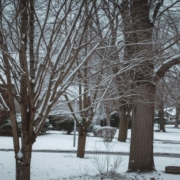
Spring gives you a clearer look at tree structure because many deciduous trees have not fully leafed out yet. That makes it easier to spot winter storm damage, weak branch unions, and dead wood that should be removed. Arbor Day Foundation guidance says spring is a great time to check mature trees because winter damage is often more visible before the canopy fills in.
Spring is also when root activity and moisture demand start to increase. Morton Arboretum notes that both young and mature trees need watering when conditions are dry, and Illinois Extension recommends checking established trees weekly for dryness starting in spring and continuing until the soil freezes.
Start with a Full Tree Inspection
Begin by walking your yard slowly and looking at each tree from top to bottom. Check the crown, trunk, root flare, and nearby soil.
- Look for broken, hanging, or cracked branches.
- Check for bark splits, cavities, or oozing areas on the trunk.
- Inspect the base for mushrooms, exposed roots, or piled mulch.
- Notice any lean that seems new after winter storms.
Arbor Day Foundation spring guidance recommends checking branches, leaves, roots, and trunks during this season, because hazards and winter injury are easier to identify before full growth begins.
If anything looks unsafe, skip the ladder and contact
Minnesota Tree Experts
for a professional evaluation.
Spring Tree Care Tips for Pruning the Right Way
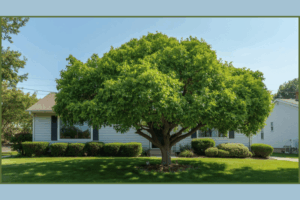
Many trees benefit from pruning in late winter or early spring while they are still dormant. University of Minnesota Extension says the late dormant season is the best time for most pruning, and Illinois Extension recommends removing dead, damaged, and weak branches at this time to reduce stress and improve structure.
Spring pruning should focus on safety, structure, and plant health. Remove dead wood first. Then address rubbing branches, weak attachments, and branches damaged by snow or ice.
- Use sharp, clean tools.
- Cut just outside the branch collar.
- Do not top trees.
- Avoid removing too much live canopy at once.
Arbor Day Foundation also advises pruning broken branches and removing fallen branches caught in the tree, while warning that some branches can be slow to leaf out in spring. That means patience matters before making major cuts.
For help with larger cuts or storm-damaged trees, visit our
Services Page
to learn more about professional pruning and removal options.
Refresh Mulch Without Creating Problems
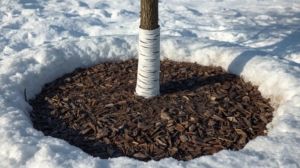
Mulch is one of the simplest tools for better tree care, but it has to be used correctly. Illinois Extension says a mulch ring helps conserve moisture, suppress weeds, and protect trunks from mower and trimmer damage, with no more than four inches of mulch over roots.
Arbor Day Foundation recommends a mulch ring 2 to 4 inches deep and at least 2 inches away from the trunk. That “mulch donut” approach helps retain moisture without trapping excess moisture against bark.
Morton Arboretum adds one useful nuance: if mulch is applied too early in spring, it can slow soil warming and delay root growth, so spring mulch timing should follow local conditions rather than the calendar alone.
A good mulch ring also improves the look of your landscape while reducing competition from turfgrass.
Watering Matters More Than Many Homeowners Think
Trees do not stop needing water just because spring feels cool. Morton Arboretum says proper watering is essential to the health and longevity of trees and shrubs, while Illinois Extension recommends weekly dryness checks for established trees beginning in spring.
Newly planted trees need even more attention. Arbor Day Foundation recommends watering new trees once a day for the first couple of weeks after planting, then once a week during the growing season, while checking soil so you do not overwater.
Illinois Extension also notes that spring tree planting should be followed by careful watering and mulching through the first year, and often longer for larger trees.
If your yard includes newer trees, build watering into your weekly routine before summer heat arrives.
Do Not Rush into Fertilizing

Fertilizer is not automatically part of a smart spring plan. Illinois Extension says fertilization should be based on a soil test that shows a nutrient deficiency, and warns that over-fertilization can harm trees and affect water quality. If fertilizer is needed, they recommend applying the right product just after leaf expansion.
In many cases, proper pruning, mulching, watering, and root-zone protection do more for tree health than a random fertilizer application.
Unique Spring Tree Care Tips for Minnesota Yards
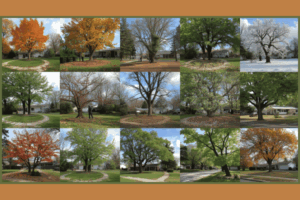
Minnesota yards deal with a combination of late frosts, heavy snow events, freeze-thaw cycles, and lingering winter injury. That means your spring tree care routine should include more than cosmetic cleanup.
One practical trend is the growing focus on early spring health and safety checkups for mature trees. Arbor Day Foundation specifically recommends spring inspections because damage from winter storms is easier to see before canopies fill in.
Another important trend is careful water planning. Morton Arboretum’s recent spring planning guidance encourages homeowners to think ahead about delivering water slowly and deeply with as little waste as possible, including the use of soaker hoses around trees and beds.
For Minnesota properties, spring is also the right time to decide which trees need monitoring, which need pruning, and which dead or declining trees should be removed before storm season. University of Minnesota resources recommend contacting a Certified Arborist when trees need pruning or removal beyond basic homeowner work.
Real Customer Experience with Minnesota Tree Experts
Good spring care often starts with clear communication and reliable follow-through. One customer described that experience this way:
“Eric with Minnesota Tree Experts came to my house and was able to provide me with a hassle free quote. He discussed his teams means and methods on how they would remove my dead ash trees. After receiving my free quote I agreed to the work. He provided me with a day and time for the work to take place and as promised his crew came to my house and was able to cut down both of my trees and grind out the stumps. I could have not asked for a better one stop service. Kudos to Eric and his team. Osseo Minnesota.”
— Travis, 5-Star Google Review
If your spring checklist includes ash decline, dead wood, storm damage, or stump grinding, our team is ready to help.
FAQ: Spring Tree Care Tips

When should I start spring tree care?
Start as soon as snow recedes and you can safely inspect the yard. Early spring is ideal for checking damage, refreshing mulch, and planning pruning before full leaf-out.
Is spring a good time to prune trees?
Yes, many trees respond well to late winter or early spring pruning while dormant. Focus on dead, damaged, and weak branches first. However, timing can vary by species, so larger jobs should be reviewed by an arborist.
How much mulch should I put around a tree?
Keep mulch about 2 to 4 inches deep and pull it a few inches away from the trunk. A wide mulch ring works better than piling mulch against bark.
Should I fertilize trees every spring?
Not necessarily. Trees should only be fertilized when a soil test or clear deficiency shows they need it. Too much fertilizer can create problems instead of solving them.
How often should I water trees in spring?
Established trees should be checked weekly for dryness. Newly planted trees usually need much more consistent watering, especially during their first growing season.
Ready to Give Your Yard a Stronger Start This Spring?
Spring Tree Care Tips work best when they become part of one simple plan: inspect, prune wisely, mulch correctly, water deeply, and get expert help before small problems become expensive ones.
If you want professional guidance this season, the team at
Minnesota Tree Experts
is ready to help. Explore our
Services Page,
then visit our
Contact Page
to schedule an estimate or ask questions about your trees. A healthy yard starts with the right spring care at the right time.

Published: April 2026