Winter Tree Care
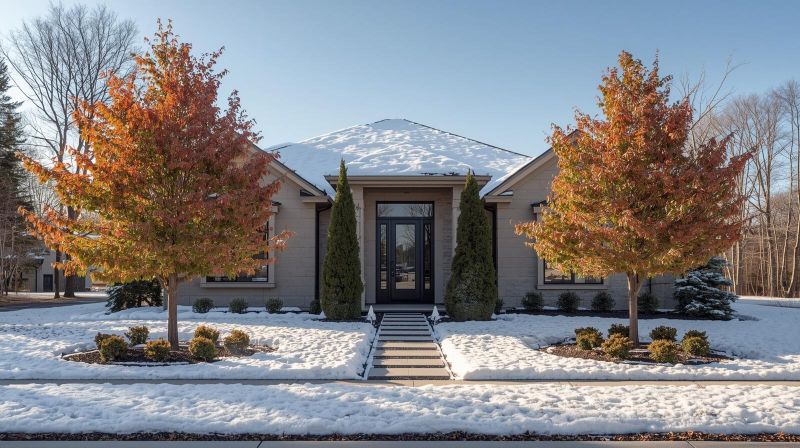
Winter is especially hard on Minnesota trees. Heavy snow, ice, and rapid temperature swings can cause
branches to snap, trunks to split, and entire trees to weaken. Understanding proper
winter tree care helps protect your trees from costly damage and ensures they enter spring
healthy and strong.
Why Branch Breakage Happens in Winter
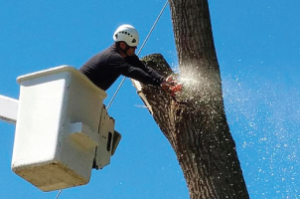
Branches break more frequently in winter because cold temperatures make wood more brittle. As the moisture
inside a tree freezes, expands, and contracts, the structure becomes more rigid. Add the weight of snow and
ice, and even strong branches can give way under pressure.
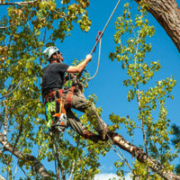
Fall maintenance is your best defense. Professional pruning removes weak, dead, or crossing branches before
winter storms begin—reducing the chance of breakage. Learn more about our
tree trimming services to get your
trees ready for the season.
How to Protect Small Trees and Shrubs
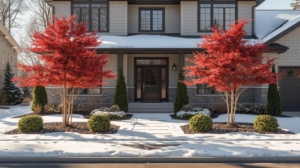
Newly planted and smaller trees are especially vulnerable to snow load and freezing temperatures. One of the
simplest ways to protect them is by using a breathable, tent-like shelter. This helps:
- Shield branches from heavy snow accumulation
- Reduce exposure to harsh winter winds
- Prevent wildlife damage (especially deer)
- Limit ice buildup on delicate limbs
Make sure the covering is sturdy, does not trap moisture, and allows enough airflow to prevent mold.
Supporting Larger Evergreens
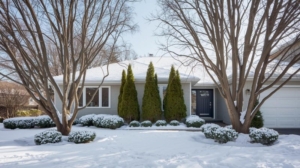
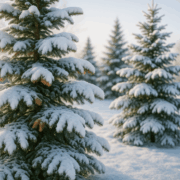
Evergreens can suffer from snow and ice buildup on long, flexible branches. To reduce strain:
- Use soft rope or twine to loosely tie branches inward (never tightly bind them).
- Wrap trees in burlap for added protection from drying winds.
- Avoid shaking trees with ice—this can worsen breakage.
Proper winter support can prevent split branches and costly structural damage. For situations where branches
have already broken or are leaning dangerously, reach out to our
storm-damaged tree service team.
Understanding Cold Stress
Cold stress occurs when temperatures drop rapidly—faster than a tree can acclimate. Mature and older trees
are more susceptible due to slower internal moisture movement and reduced elasticity within the wood.
Sudden temperature drops can lead to:
- Frost cracks: Vertical splits in the trunk caused by rapid freeze-thaw cycles.
- Southwest injury: Sun-warmed bark on the southwest side freezes quickly at dusk,
causing tissue death beneath the bark. - Desiccation: Winter drying, especially common in evergreens exposed to high winds.
The USDA and the
Arbor Day Foundation
both emphasize that fall hydration, mulching, and protection against rapid temperature shifts significantly
reduce winter injury.
How to Prevent Cold Stress Damage
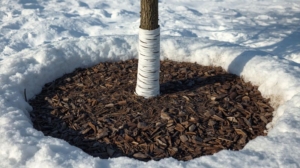
There are several effective steps you can take before and during winter:
- Mulch around the base: Helps insulate roots and maintain moisture.
- Deep watering in fall: Hydrated trees withstand freezing better.
- Tree wraps: Protect young or thin-barked trees from sunscald and frost cracking.
- Proper pruning: Reduces weak branches susceptible to breakage.
- Wind protection: Burlap shields or fencing help evergreens retain moisture.
If your trees have struggled with past winters, scheduling a pre-winter inspection can help detect disease,
pests, or structural concerns. Our experts can diagnose problems early through our
tree disease diagnosis & treatment services
.
After Winter Damage Occurs
If you notice hanging limbs, split branches, or trunk damage once the snow melts, do not attempt to remove
the damaged sections on your own. Winter injury often leaves unstable wood and hidden weaknesses that require
professional handling.
Certified arborists can determine whether pruning, cabling, treatment, or removal is the safest solution.
Have More Questions About Winter Tree Care?
Protecting your trees during Minnesota winters requires planning, seasonal maintenance, and an understanding
of how cold temperatures affect tree health. Whether you’re preparing for winter or dealing with ice damage,
we’re here to help.
Contact Minnesota Tree Experts today for a consultation or winter tree care recommendations.
Certified Pesticide Applicator: 20115899 |
Certified Tree Inspector: 20103735 |
Certified Arborist: MN-4299A