
Should Tree Removal Include Stump Grinding in Minnesota?

Planning tree removal and stump grinding together can provide Minnesota property owners with a safer, cleaner, and more complete result. Tree removal eliminates the trunk and canopy, while stump grinding addresses the remaining stump below ground level. Combining both services can simplify equipment access, cleanup, landscaping plans, and long-term property maintenance.
Frequently Asked Questions About Tree Removal and Stump Grinding

Should stump grinding be included with tree removal?
For many residential and commercial properties, including stump grinding creates a more complete finished project. It removes the remaining obstacle and prepares the area for future lawn, landscaping, or property improvements.
Does tree removal automatically include stump grinding?
Not necessarily. Tree removal and stump grinding involve different equipment and stages of work. Property owners should discuss the stump during the original tree removal estimate.
Why plan tree removal and stump grinding at the same time?
Planning both services together helps the crew evaluate equipment access, cleanup needs, utilities, and future use of the area. It can also prevent a stump from becoming a separate project later.
How far below ground does stump grinding go?
The appropriate grinding depth depends on the stump, site conditions, equipment, and future plans for the area. A professional can recommend a suitable depth for the specific property.
Does stump grinding remove all tree roots?
No. Grinding primarily removes the stump and accessible portions of major roots near the surface. Most underground roots remain and gradually decompose.
Can I plant a new tree where the old tree was removed?
Sometimes, but planting directly in the former stump location may not provide the best growing conditions. Remaining roots and decomposing wood can affect soil volume and structure.
Should businesses combine tree removal and stump grinding?
Yes, especially when stumps affect parking areas, sidewalks, mowing routes, landscaping, or snow removal operations. A completed project also creates a cleaner appearance for customers and employees.
Why should professionals handle tree removal and stump grinding?
Both services require specialized equipment, site evaluation, and safety procedures. Professional crews also consider nearby structures, utilities, access limitations, and surrounding landscaping.
Tree Removal Does Not Always Mean the Entire Tree Is Gone
When homeowners hear “tree removal,” they often picture the entire tree disappearing. The trunk and canopy may disappear, but the stump usually remains unless grinding is included. That distinction matters when planning the final condition of your property. A stump can interfere with mowing, landscaping, construction, walkways, and snow removal. It can also leave a tree removal project looking unfinished. Minnesota Tree Experts offers professional tree removal services for residential and commercial properties. Stump grinding can then complete the project when the property owner wants the stump removed.
Why Tree Removal and Stump Grinding Work Better as One Plan
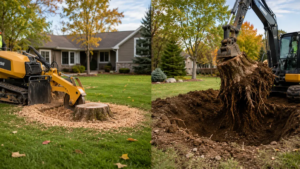
Tree removal and stump grinding are separate services, but they often work best when planned together. The removal crew already needs access to the property. Large equipment may already need space near the tree. Branches, logs, and debris also require an organized cleanup plan. Discussing the stump beforehand allows the crew to consider the entire project from the beginning. This approach can create a smoother process from the first cut through final cleanup.
What Happens During a Complete Tree Removal Project?
| Project Stage | What Happens | Why It Matters |
|---|---|---|
| Tree Assessment | The tree and surrounding property are evaluated. | Helps determine equipment, access, risks, and removal methods. |
| Tree Removal | Branches and trunk sections are safely dismantled. | Removes the hazardous, dead, unwanted, or declining tree. |
| Debris Cleanup | Branches, logs, and tree debris are removed. | Restores usable areas around the work site. |
| Stump Grinding | The remaining stump is mechanically ground below the surface. | Removes a major obstacle from the property. |
| Final Site Planning | The owner considers lawn repair, landscaping, or future planting. | Helps determine how the former tree area will be used. |
Start With Why the Tree Needs Removal
Not every tree showing imperfections needs removal. Healthy trees provide valuable shade, habitat, screening, and property character. Removal becomes appropriate when preservation no longer offers a reasonable solution. Dead trees may eventually become unstable. Severe decay can weaken important structural areas. Storm damage can leave trunks or major branches compromised. Disease may also reach a point where saving the tree is no longer practical. Professional assessment helps determine whether removal is actually necessary.
Minnesota Tree Experts also provides tree diagnostics and treatments when preservation remains possible.
A Professional Assessment Comes Before the Equipment
A complete tree removal project should begin with the tree and surrounding property. The crew needs to understand what stands beneath and around the canopy. Homes, garages, power lines, fences, patios, and neighboring properties can affect removal methods. The stump area also deserves attention before work begins. Underground utilities, irrigation systems, hardscaping, and restricted equipment access can affect stump grinding. Planning both stages together helps identify these concerns early.
Professional Tree Removal Protects People and Property
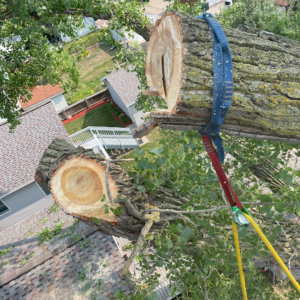
Removing mature trees requires specialized equipment and trained workers. Branches can weigh hundreds of pounds. Large trunk sections require controlled handling. Trees near structures or utilities can make removal especially complex. The University of Minnesota Extension recommends professional removal for hazardous trees. It also emphasizes certification, insurance, written work details, and clear cleanup responsibilities.
Learn more from University of Minnesota Extension’s guide to hiring a tree care professional.
The Stump Changes How “Finished” the Project Feels
A freshly cut stump may initially seem harmless. After several months, property owners often notice how much space it occupies. Mowers must work around it. Landscape beds may need awkward shapes. People can trip over low stumps or exposed roots. Snow may hide the stump completely during winter. Completing stump grinding during the removal project prevents many of these issues from becoming separate problems.
Tree Removal and Stump Grinding Can Simplify Equipment Access
Access represents one practical reason to discuss both services before work begins. The removal crew may need to position trucks, chippers, lifts, or other equipment around the site. A stump grinder also needs a clear route to the stump. That route may pass through gates, narrow yards, landscape beds, or sloped areas. Planning stump access before dismantling the tree can help prevent unnecessary complications.
Think About What You Want After the Tree Is Gone
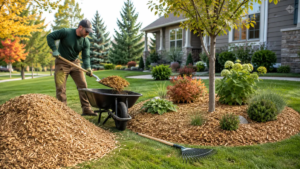
The best time to discuss the final site is before tree removal begins. What do you want the area to become? You may want grass where the tree once stood. You may want a new landscape bed. A patio, driveway expansion, or other project may be planned later. You may also want to replace the removed tree. Those goals can influence stump grinding depth, cleanup expectations, and future site preparation.
Stump Grinding Does Not Remove Every Root
Property owners should understand what stump grinding accomplishes. The process mechanically reduces the visible stump and accessible wood beneath the surface. It does not normally excavate the entire root system. Large roots may extend far beyond the original trunk. Those roots usually remain underground and gradually decompose. This approach creates less disturbance than excavating an entire root system.
What Happens to the Ground After Stump Grinding?
Grinding produces a mixture of wood chips and soil. That material may remain within the former stump area temporarily. The site can settle as remaining organic material decomposes. Property owners planning new grass should account for this settling. They may eventually need additional soil before establishing a finished lawn. Future landscaping plans should also account for large remaining underground roots.
Can You Plant Another Tree in the Same Spot?
Replacing a removed tree often makes sense for long-term landscape health. However, the exact former stump location may not provide ideal growing conditions. Old roots still occupy soil beneath the site. Decomposing wood can also affect soil conditions and settling. A nearby location may provide a better environment for a replacement tree.
Professional tree planting guidance can help determine appropriate placement when available for your property.
Removal Is Sometimes the Final Step After Years of Tree Care
Tree removal does not always mean the tree was neglected. Mature trees eventually change. Storms, disease, insects, age, construction, and environmental stress can affect long-term stability. Good tree care aims to preserve healthy trees whenever practical. Professional tree trimming and pruning can improve structure and remove damaged branches. Cabling, disease management, and monitoring may also extend a tree’s useful life. However, removal becomes responsible when the tree can no longer remain safely or reasonably.
Do Not Wait Too Long on a Dead or Severely Declining Tree
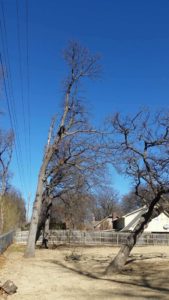
Dead trees can become more difficult to remove as wood deteriorates. Branches can become brittle. Decay can reduce predictable structural strength. That can make climbing and controlled dismantling more complicated. This concern is especially important with dead ash trees. University of Minnesota Extension notes that dead ash branches can become brittle and hazardous. Property owners should request professional evaluation when significant decline becomes apparent.
Storm-Damaged Trees May Need a Complete Removal Plan
Minnesota storms can quickly change a tree’s condition. Wind may split trunks, break major limbs, or expose structural weaknesses. Some trees can recover with professional pruning and care. Others sustain damage that makes removal the safer recommendation. When removal becomes necessary, consider the stump during the same assessment. Minnesota Tree Experts provides storm-damaged tree services when severe weather affects your property.
Why the Complete Job Matters for Commercial Properties
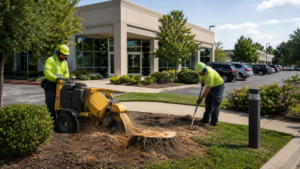
Businesses often have additional reasons to complete both services together. A remaining stump can interfere with grounds maintenance and snow removal. It may also affect sidewalks, parking areas, signage, or landscaped entrances. Customers and employees may regularly walk near the former tree location. Completing stump grinding can create a cleaner and more predictable maintenance area. Property managers also avoid scheduling another contractor visit for the same location later.
One Project Can Make Future Property Work Easier
A complete removal can open useful space on a property. Homeowners may discover room for lawn, landscaping, or outdoor living improvements. Businesses may gain easier mowing, plowing, or grounds-maintenance access. Future projects become easier when the old stump no longer controls the layout. This is why the final property plan should be discussed before removal begins.
Ask About Stump Grinding During the Original Estimate
One of the simplest recommendations is also one of the most useful. Ask about the stump when you request the tree removal estimate. Do not wait until the tree is already gone. Discuss whether you want the stump ground and how you plan to use the area afterward. Also ask what cleanup will be included. University of Minnesota Extension recommends written agreements that clearly identify cleanup and disposal responsibilities. Minnesota Tree Experts’ FAQ page confirms that stump grinding can be requested after tree removal.
What Minnesota Tree Experts Customers Say
“Outstanding work. We had a large tree overhanging our garage, house and power lines that they took down.”
“Difficult to get at due to its location. Jeff and his team took it down leaving hardly any trace.”
“We were amazed that the cleanup was so thorough, we couldn’t tell they had been in the yard.”
“Great to work with, I would highly recommend!”
Questions to Ask Before Scheduling Tree Removal
- Why does the tree need removal?
- Can pruning, treatment, or another service preserve it?
- What equipment will the crew need?
- How will branches and trunk sections be controlled?
- Will surrounding landscaping need protection?
- Is stump grinding recommended for this location?
- How will the stump area be left afterward?
- What cleanup and debris removal are included?
- Are access or underground utilities potential concerns?
- What future plans should the crew know about?
Complete the Tree Removal Instead of Leaving Another Project Behind
A tree removal project should solve problems rather than create a new task for later. For many properties, combining tree removal and stump grinding provides the most complete result. The tree comes down safely. The debris gets cleaned up. The stump no longer controls how you use the space.
The property can then move forward with lawn repair, landscaping, planting, or other improvements. Minnesota Tree Experts provides full-service tree care for residential and commercial properties throughout the Twin Cities. Visit the Minnesota Tree Experts blog for additional tree care and property maintenance guidance.
Planning to Remove a Tree? Discuss the Whole Project First
If a tree needs removal, consider what you want the property to look like after the crew leaves. Planning stump grinding at the same time can simplify the project and create a cleaner finished site.
Need an assessment for a dead, hazardous, storm-damaged, or unwanted tree?
Contact Minnesota Tree Experts to request a tree removal estimate and discuss stump grinding as part of the project.

Published October 2026.
Authored by Jacqueline McGreevey & Expert Review by Jacob Gall Owner – Arborist