What Are the Early Signs of Tree Disease in Minnesota?

Tree Disease Diagnosis Minnesota services help identify unusual leaf changes, dead branches, bark damage, fungal growth, and other warning signs. Early diagnosis matters because disease symptoms can resemble drought, insects, root problems, or environmental stress. Professional evaluation helps homeowners and businesses identify the actual cause and choose appropriate treatment before tree health declines further.
Frequently Asked Questions About Tree Disease Diagnosis Minnesota
What are the earliest signs that a tree may be diseased?
Early signs can include leaf discoloration, premature leaf drop, thinning foliage, dead twigs, unusual spots, cankers, or fungal growth. A sudden change from the tree’s normal appearance deserves attention.
Can yellow leaves always indicate tree disease?
No. Yellow leaves can result from disease, drought, poor drainage, root damage, nutrient problems, or other environmental stress. Professional diagnosis helps determine the actual cause before treatment begins.
When should I request Tree Disease Diagnosis Minnesota services?
Request an assessment when symptoms appear suddenly, worsen quickly, affect multiple branches, or appear on valuable mature trees. Prompt attention is especially important when nearby trees of the same species could also become affected.
Can a diseased tree be saved?
Sometimes. The outcome depends on the disease, tree species, infection stage, overall health, and structural condition. Early diagnosis can provide more management options than waiting until decline becomes severe.
Can tree disease spread to other trees?
Some diseases can spread between susceptible trees through insects, roots, spores, contaminated tools, or infected plant material. Correct identification helps determine whether nearby trees also need attention.
Should I prune diseased branches myself?
Not without understanding the disease involved and proper pruning timing. Improper pruning can create wounds or potentially contribute to disease spread in certain situations.
Do businesses need regular tree health inspections?
Routine inspections can help commercial properties identify disease, deadwood, and structural concerns before they disrupt operations. Early attention also supports predictable maintenance and long-term landscape planning.
Does every tree disease require pesticide or fungicide treatment?
No. Some conditions require pruning, improved tree care, monitoring, sanitation, or no treatment at all. Professional diagnosis should come before deciding which treatment is appropriate.
Tree Problems Often Begin With Small Changes
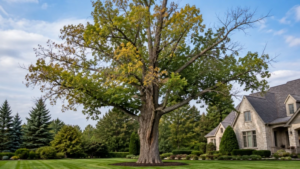
A tree rarely sends homeowners a clear message saying, “I have a disease.” Instead, the first warning signs may seem minor. A few leaves may change color too early. One section of the canopy may become noticeably thinner. A branch that produced leaves last year may suddenly remain bare. These changes can appear insignificant when the rest of the tree still looks healthy. However, they may provide valuable clues about developing health problems. Recognizing changes early gives homeowners and businesses more time to investigate the cause.
Early Signs That Deserve a Closer Look
Tree symptoms vary widely between species and diseases. The following changes do not automatically confirm disease. They do indicate that a tree deserves closer observation or professional evaluation.
| Warning Sign | What You May Notice | Why Professional Diagnosis Helps |
|---|---|---|
| Leaf discoloration | Yellowing, browning, unusual spots, or scorched edges | Similar symptoms can result from disease, insects, drought, or root stress. |
| Early leaf drop | Leaves fall weeks or months before normal autumn drop. | A professional can determine whether disease or environmental stress caused the change. |
| Thinning canopy | Sections of the crown contain fewer leaves than previous years. | Canopy decline may involve roots, disease, pests, or long-term stress. |
| Dead branches | Twigs or larger branches stop producing leaves. | Deadwood may indicate localized injury or broader tree decline. |
| Bark changes | Cracks, sunken areas, unusual discoloration, or loose bark appear. | These symptoms can indicate cankers, decay, injury, or other problems. |
| Fungal growth | Mushrooms or fungal structures appear on trunks or near roots. | Some fungi may indicate internal wood or root decay. |
| Unusual growth | Swellings, galls, shoots, or distorted leaves develop. | Correct identification helps separate harmless growth from serious disease. |
| Sudden wilting | Leaves wilt or brown despite adequate moisture. | Vascular diseases and root problems can produce similar symptoms. |
Tree Disease Diagnosis Minnesota Starts With Identifying the Cause
Seeing symptoms is only the first step. The harder question is determining what caused them. A tree with brown leaves may have a fungal disease. It may also have drought stress, compacted soil, damaged roots, or excessive moisture. An insect infestation can sometimes create symptoms that resemble disease. Construction damage may not become visible until months after roots were disturbed. This overlap makes professional tree disease diagnosis and treatment valuable. Treating the wrong problem wastes time and may allow the real problem to progress.
Look for Change, Not Just Imperfection
One useful approach involves learning what is normal for your trees. Mature trees rarely look perfect. They may contain old pruning wounds, minor branch dieback, scars, or naturally uneven growth. A more meaningful warning sign is change. Did one side of the canopy suddenly become thin? Did leaves begin dropping much earlier than last year? Has a crack, cavity, or dead section noticeably expanded? Comparing the tree with its previous condition can provide useful diagnostic information.
Leaf Problems Can Reveal Early Disease
Leaves often provide the first visible indication that something has changed. Watch for spots, blotches, curling, wilting, browning, or unusual yellowing. Also notice when symptoms began and which portions of the tree show them. Some leaf diseases primarily affect appearance and cause limited long-term damage. Others can contribute to repeated stress when infections occur year after year. The University of Minnesota Extension explains that many common tree diseases do not seriously threaten overall tree health. Extension also recommends professional care for large-tree pruning and certain disease treatments. Review its tree and shrub disease information for additional Minnesota-specific guidance.
Premature Leaf Drop Is Worth Investigating
Trees naturally shed leaves as growing conditions change. However, substantial leaf loss during summer can indicate stress. Apple scab provides a good Minnesota example. Infected apple and crabapple trees may develop leaf spots and lose leaves prematurely. Repeated severe infections can place additional stress on susceptible trees. Minnesota Tree Experts provides professional diagnosis and treatment for apple scab and other tree health concerns.
A Thinning Canopy Can Tell a Larger Story
A thin canopy does not identify one specific disease. Instead, it often indicates that the tree is struggling to support normal growth. Look at the entire crown from a distance. Compare leaf density on different sides of the tree. Watch for clusters of dead twigs at branch tips. A professional assessment may consider roots, soil conditions, disease, insects, previous pruning, and environmental stress. This broader evaluation matters because visible canopy symptoms may begin below ground.
Do Not Ignore Changes in the Bark

The trunk and major branches can provide important clues about tree health. Watch for sunken areas, cracks, unusual staining, peeling bark, holes, or dead sections. Cankers may develop when fungi or bacteria kill localized areas of bark and underlying tissue. Other bark changes can result from physical injury or environmental stress. A wound does not always require treatment. However, expanding damage deserves professional attention.
Mushrooms Near a Tree Can Mean Different Things
Mushrooms around trees often concern homeowners. Not every mushroom indicates that a tree is dying. Many fungi simply decompose organic material within the soil. Location matters. Fungal structures growing directly from a trunk, major root, or old wound deserve closer examination. Certain fungi can indicate decay within structural wood or roots. Never rely only on mushroom appearance to determine whether a tree is safe.
Minnesota Trees Face Several Important Diseases

Tape with sticky goop on it to trap bugs (specifically the elm beetle) to prevent Dutch Elm Disease.
Minnesota’s climate supports many tree species, but it also supports several significant diseases. Common concerns include oak wilt, Dutch elm disease, apple scab, and several needle diseases. Different diseases require different responses. For example, Minnesota Tree Experts provides specific services for oak wilt. The company also addresses Dutch elm disease and other tree health concerns. Accurate identification becomes especially important when diseases can spread to other valuable trees.
Tree Disease Can Be a Property-Wide Issue
A diseased tree should not always be viewed as an isolated problem. Consider what grows around it. Several nearby trees may share the same species and susceptibility. Root systems can also extend far beyond visible canopies. Some diseases spread through root connections, insects, spores, or infected material. Early identification may therefore help protect more than one tree. This consideration becomes particularly important on wooded residential lots and commercial campuses.
Timing Can Affect What Treatment Options Remain
Waiting for a tree to look severely sick can reduce management choices. Some diseases respond better when identified before extensive damage occurs. Other conditions cannot be reversed after infection reaches a certain stage. Early evaluation does not guarantee that every tree can be saved. It does provide better information for making decisions. Those decisions may involve monitoring, treatment, pruning, improved cultural care, or removal.
Professional Attention Helps Prevent Guesswork
Online photographs can be helpful for learning about tree diseases. They cannot show everything happening on your property. A professional can consider tree species, site history, weather, soil, roots, canopy symptoms, bark, and surrounding vegetation. Minnesota Tree Experts has a Certified Arborist and Certified Tree Inspector available for professional tree assessments. A licensed pesticide applicator can provide treatment when diagnosis indicates that treatment is appropriate. Learn more about common services and assessments on the Minnesota Tree Experts FAQ page.
Pruning Can Help Some Problems, but Timing Matters
Removing dead or diseased branches can support tree health in certain situations. However, pruning is not automatically appropriate whenever disease appears. Species, season, disease type, and pruning technique all matter. For example, improper pruning timing can increase disease concerns for some Minnesota trees. Professional tree trimming and pruning helps match pruning decisions to the tree’s actual needs.
When Does Disease Make Tree Removal Necessary?
Disease does not automatically mean a tree needs removal. Many tree health problems can be treated, managed, or monitored. Removal becomes more likely when disease severely compromises health or structural integrity. Dead trees and severely weakened trees can eventually create safety concerns. Location also matters when declining trees stand near homes, businesses, sidewalks, vehicles, or gathering areas. When preservation is no longer reasonable, professional tree removal services can address the tree safely.
Commercial Properties Benefit From Early Diagnosis
Tree health matters on commercial properties for several reasons. Healthy trees contribute shade, appearance, screening, and a welcoming environment. Declining trees can create unpredictable maintenance costs. They may also produce deadwood around parking lots, sidewalks, entrances, or outdoor gathering areas. Routine inspections help property managers identify concerns before they become emergency projects. They can also help businesses budget for treatment, pruning, or eventual replacement.
Take Photos When You First Notice Something Unusual
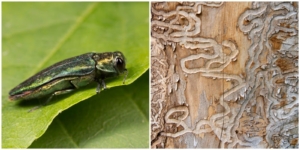
One simple habit can make future diagnosis easier. Take photographs when you first notice a change. Photograph the entire tree and the affected area. Take another photograph several weeks later if the condition changes. These images create a visual timeline that may help show how quickly symptoms progressed. Also note when you first observed the problem. Recent construction, storm damage, drought, landscaping changes, or chemical applications may provide useful context.
Do Not Treat a Tree Before You Know the Problem
Homeowners sometimes respond quickly by applying fertilizer, fungicide, or insect treatment. That approach can miss the actual cause. For example, fertilizer does not repair damaged roots. Fungicide does not correct drought stress. An insecticide will not resolve a fungal disease. More treatment is not necessarily better tree care. Diagnosis should guide the treatment rather than the other way around.
Tree Disease Diagnosis Minnesota Can Protect Valuable Mature Trees
Mature trees represent years of growth that cannot quickly be replaced. That makes early Tree Disease Diagnosis Minnesota services particularly valuable for established landscapes. A professional may determine that symptoms are minor and only require monitoring. Another tree may benefit from treatment before significant decline occurs. In either situation, good information helps property owners make more confident decisions.
What Minnesota Tree Experts Customers Say
“This is the best tree removal company I’ve ever hired. 2 big trees removed They were fast, friendly and did an amazing job with the clean up. All traces of the trees are gone. Christian and the crew work very well together. I could not be happier with the results. I would recommend them to everyone. The price was more than fair for the work preformed. I will use them for years to come. Thanks again!”
When Should You Call a Tree Professional?
Consider scheduling an evaluation when you notice significant or unexplained changes in a tree.
- Leaves change color unusually early.
- A tree loses substantial foliage during summer.
- Several branches suddenly stop producing leaves.
- Fungal growth appears on the trunk or major roots.
- Bark develops expanding cracks, sunken areas, or unusual discoloration.
- A tree begins declining much faster than surrounding trees.
- Several trees of the same species develop similar symptoms.
- A valuable mature tree shows new signs of stress.
- You suspect oak wilt, Dutch elm disease, or another serious disease.
You do not need to identify the disease before making the call. Recognizing that something has changed is enough reason to request an assessment.
Early Attention Can Give Your Tree More Options
The best time to investigate tree health is often before decline becomes obvious from across the yard. Small changes in leaves, branches, bark, or canopy density can provide important early clues. Professional diagnosis helps separate disease from insects, weather stress, root damage, and other environmental problems. Minnesota Tree Experts provides tree diagnostics, treatment, pruning, removal, and preventive care for homes and businesses. Visit the Minnesota Tree Experts blog for more seasonal tree care information.
Concerned About Changes in One of Your Trees?
Do not wait for a valuable tree to become severely stressed before investigating unusual symptoms. An early professional assessment can help identify the problem and determine appropriate next steps.
Have you noticed unusual leaves, dead branches, thinning foliage, bark changes, or fungal growth?
Contact Minnesota Tree Experts to schedule a professional tree evaluation and discuss diagnosis or treatment options.
Published September 2026.
Authored by Jacqueline McGreevey & Expert Review by Jacob Gall Owner – Arborist