Why Spring Is Best for Tree Inspections
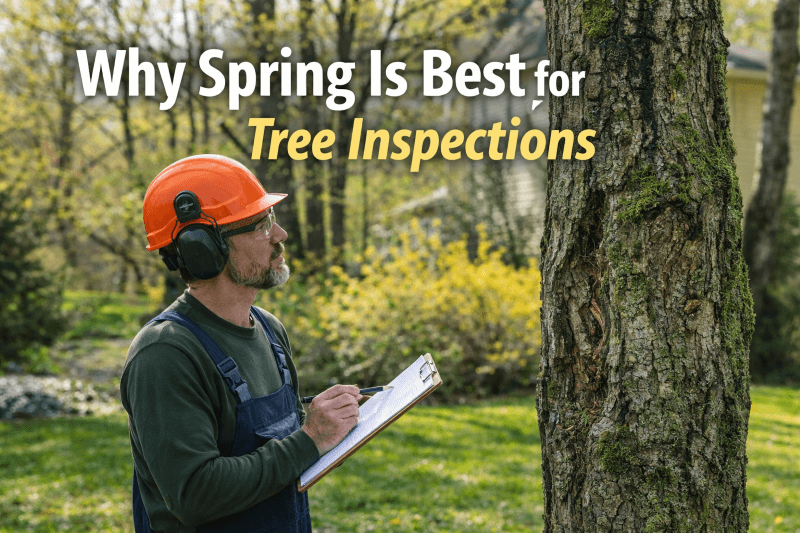
Summary: Spring Tree Inspections help homeowners catch winter damage, identify weak branches, spot early disease or pest issues, and make safer decisions before trees fully leaf out. When you inspect trees in spring, you get a clearer view of structure, damage, and overall health, which can save money and reduce hazards later in the year.
Spring Tree Inspections are one of the smartest ways to protect your yard after a long Minnesota winter. Snow load, ice, wind, salt, and fluctuating temperatures can leave behind hidden damage that is much easier to spot before the canopy fills in. At
Minnesota Tree Experts,
we encourage homeowners to use spring as the ideal time to check for structural issues, winter injury, and early signs of decline.
Why Spring Makes Tree Problems Easier to See
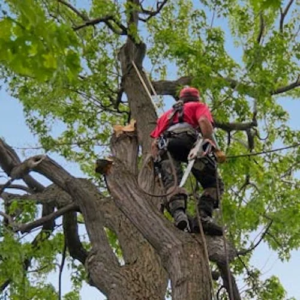
Spring offers a rare window when many deciduous trees have not fully leafed out yet. That means you can see the branch structure more clearly and notice cracks, broken limbs, hanging branches, and canopy gaps that leaves would later hide.
The Arbor Day Foundation specifically recommends spring health and safety checkups for mature trees because early detection of decay, damage, and disease helps maintain both health and safety. Their guide explains that winter damage is often easier to see before full leaf growth returns.
See their article here:
Spring Health and Safety Checkups For Mature Trees.
Spring also makes it easier to compare healthy buds and delayed growth. If one section of a tree stays bare while the rest begins to grow, that can point to branch dieback, trunk damage, or root stress.
Spring Tree Inspections Help You Catch Winter Damage Early
Minnesota winters can be rough on both young and mature trees. Broken branches from snow or ice, bark damage from critters, salt stress near roads, and root-zone issues from freeze-thaw cycles can all show up in spring.
Arbor Day Foundation’s spring tree care guidance advises homeowners to inspect trees for critter damage along the trunk and for broken branches caused by snow or ice. They also remind people not to assume a tree is dead too early, since some species leaf out later than others.
You can review that guidance here:
Tackling Must-Do Springtime Tree Care.
Spring inspections give you a chance to separate minor cleanup from serious hazards. That can help you act before summer storms, wind, and heavy leaf growth add more stress.
What to Look for During a Spring Tree Inspection
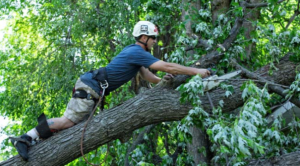
A good inspection starts at the top and works down. Walk around the tree slowly and look at it from several angles.
Check the Crown
- Look for broken, dead, or hanging branches.
- Notice thin areas or uneven bud development.
- Compare one side of the canopy to the other.
If one area stays bare while other branches leaf out, that part of the tree may be stressed or damaged.
Inspect the Trunk and Major Branches
- Watch for cracks, cavities, and bark splitting.
- Look for old wounds that may not have sealed well.
- Check branch unions for weak attachments or included bark.
The Morton Arboretum notes that trunk wounds can damage the cambium layer, which is critical for water and nutrient movement. Their resource also explains that bark injuries deserve careful attention and monitoring.
You can read more here:
Trunk Wounds and Decay.
Examine the Root Area
- Check whether the root flare is visible.
- Look for soil piled against the trunk.
- Watch for mushrooms, exposed roots, or heaving ground.
Root-zone problems often show up later as canopy thinning, branch dieback, or sudden decline. Catching those early is one reason spring inspections are so valuable.
Spring Is Also a Smart Time to Plan Pruning
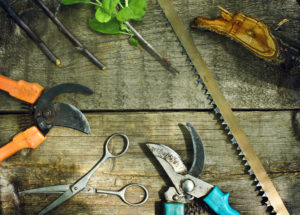
Once you know what winter did to your trees, you can make better pruning decisions. University of Minnesota Extension says the late dormant season is the best time to prune most trees and shrubs. Structure is easier to see, and proper cuts can support healthier growth.
Their pruning guide is here:
Pruning Trees and Shrubs.
Spring inspections help you identify dead wood, weak limbs, rubbing branches, and storm-damaged sections before leaves hide them. That makes pruning more accurate and often safer.
If your inspection reveals larger issues, visit our
Services Page
to learn more about professional pruning, removals, and tree health support.
Spring Inspections Help with Disease and Pest Monitoring
Spring is not only about storm damage. It is also when homeowners begin seeing early signs of stress, insect activity, and disease symptoms. Trees that struggled the year before may show delayed leaf-out, small leaves, bark cracks, or dead twig tips.
Arbor Day Foundation emphasizes the importance of regularly inspecting trees for signs of stress and helping them before problems become more serious.
Their overview is here:
Are Your Trees Stressed?.
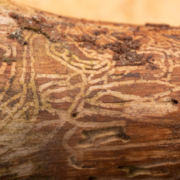
In Minnesota, this matters even more for species like ash. Spring can reveal canopy thinning or branch dieback that points to deeper pest or disease issues. When you catch those problems early, you have more options.
Unique Reasons Spring Tree Inspections Matter in Minnesota
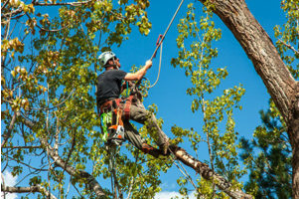
Minnesota weather makes spring tree inspections especially important. We often move from deep cold and snow cover into wet, thawing soils, then into strong winds and fast temperature swings. That combination can stress roots, expose hidden storm damage, and weaken already vulnerable trees.
The Morton Arboretum has noted that recent years have brought more weather extremes, including severely wet springs that lead to root damage, often followed by droughty summers. That “damage on top of damage” pattern makes early-season inspections more useful than ever.
Another Minnesota-specific issue is timing. Some trees are late bloomers, while others push growth early. Spring inspections help you avoid removing living trees too soon while still identifying the ones that truly need attention.
If you are unsure what you are seeing, use the
Contact Page
to schedule a professional evaluation. A trained arborist can tell the difference between delayed growth, manageable stress, and real structural risk.
Real Customer Experience with Minnesota Tree Experts
Good inspections lead to better decisions. That includes knowing when broken limbs can be pruned and when dead or hazardous trees should come down. One customer shared this experience:
“We had the team come out to limb some broken branches and remove two dead ash trees, one of which was in a very tricky location. They were very professional, tidy and friendly. I highly recommend this business.”
— Nicole, 5-Star Google Review
That kind of outcome begins with seeing the problem clearly. Spring is often the best season to do exactly that.
FAQ: Spring Tree Inspections

Why are spring tree inspections important?
Spring tree inspections help you spot winter damage, weak branches, bark injury, and early signs of disease before leaves fully hide those issues. They also help you make better pruning and safety decisions before summer storms arrive.
What should I look for during a spring tree inspection?
Look for broken or hanging branches, trunk cracks, bark damage, cavities, mushrooms near the base, uneven bud development, and signs of a new lean. Also inspect the root flare area for buried bark, exposed roots, or heaving soil.
Is spring better than summer for tree inspections?
In many cases, yes. Spring offers a clearer view of structure before full leaf-out, which makes it easier to see damage and hazards. Summer inspections are still useful, but dense foliage can hide important issues.
Can I inspect my own trees, or do I need an arborist?
Homeowners can do basic visual checks from the ground. However, if you see major cracks, large dead limbs, cavities, mushrooms, or a lean near a structure, a certified arborist should inspect the tree for safety and accurate diagnosis.
When should I schedule a professional spring tree inspection?
Schedule one as soon as snow recedes and you can safely access the yard. Early to mid-spring is ideal, because winter damage is easier to spot and you still have time to prune, remove hazards, or plan treatments before the growing season is in full swing.
Schedule Your Spring Tree Inspection Before Small Problems Grow
Spring is not just a season of growth. It is also the best time to see what winter left behind and make smart decisions before trees are under more stress. A well-timed inspection can help you prevent damage, improve safety, and protect the long-term value of your yard.
If you want expert help this season, the team at
Minnesota Tree Experts
is ready to help. Explore our
Services Page
and then use our
Contact Page
to schedule an estimate or inspection. Spring is the right time to catch problems early and give your trees a healthier start.

Published April 2026