How Can I Keep a Young Tree Healthy Over the Winter?
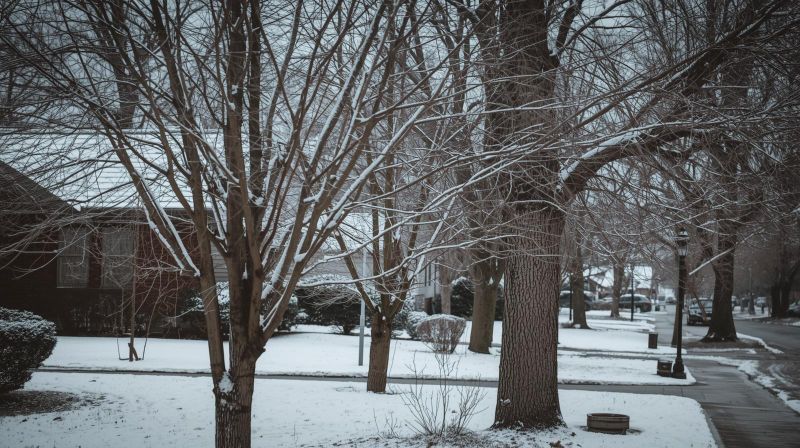
Summary: Young Tree Winter Care focuses on protecting tender trunks, shallow roots, and delicate branches from cold, wind, sun, and animals. With the right mix of watering, mulching, wrapping, and monitoring, you can help new plantings survive Minnesota’s winter and burst back healthy in spring.
During the first few years after planting, Young Tree Winter Care can make the difference between strong growth and costly loss. Young trees have shallow roots, thin bark, and less stored energy, so they struggle more with Minnesota’s freeze–thaw swings and long cold snaps. With help from
Minnesota Tree Experts, you can build a simple winter plan that fits your yard and your schedule.
Why Winter Is Tough on Young Trees
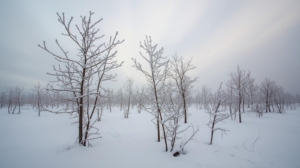
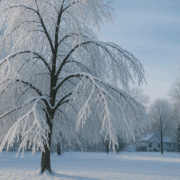
Young trees lose water through bark and buds even when the ground is frozen. Because their roots are shallow, they dry out faster than mature trees. This leads to winter desiccation, dieback, and sometimes complete failure by spring.
Thin bark also makes young trees vulnerable to sunscald. Bright winter sun warms one side of the trunk, then rapid evening cooling kills those cells. Many university extensions describe sunscald as one of the most common issues on young, thin-barked trees such as maple, linden, crabapple, and fruit trees.
In Minnesota, young trees also face extra pressure from deer, rabbits, and voles. When snow is deep and food is scarce, animals chew tender bark and buds, sometimes girdling the entire trunk. Road salt and plowed snow can add even more stress.
Practical Young Tree Winter Care Basics
A few focused steps in fall and early winter give young trees a strong head start. Most research-based resources emphasize three big tasks: proper watering, smart mulching, and physical protection from sun and wildlife.
Water Deeply Before the Ground Freezes
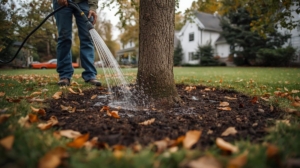
Newly planted and young trees need regular moisture until the soil freezes. Aim to water once a week in a dry fall, especially if rainfall is under one inch. A typical young yard tree may need 10–20 gallons per week before freeze-up.
The Minnesota Department of Natural Resources reminds homeowners to water trees until the ground freezes, especially young trees with small root systems. Their guidance also notes that moist soil holds more heat and protects roots from extreme cold. You can find their recommendations on the
Minnesota DNR winter tree care page.
Water slowly at the dripline rather than right against the trunk. Stop watering once the soil surface stays frozen so you do not create ice layers.
Mulch Correctly to Insulate Roots
Mulch is one of the easiest and most effective tools for young trees. A two to four inch layer of wood chips or shredded bark helps insulate the root zone, hold moisture, and reduce soil temperature swings.
The University of Minnesota Extension recommends a mulch ring at least three feet wide, kept a few inches back from the trunk to reduce rot and rodent damage. You can read their detailed guidance on the
“Protecting trees and shrubs in winter” page.
For young trees, this mulch ring also protects against frost heaving. That heaving can loosen roots when temperatures bounce above and below freezing.
Wrap and Guard Tender Trunks
Young, thin-barked trees benefit from seasonal trunk protection. White plastic guards or commercial tree wrap reflect winter sun and keep bark temperatures more stable.
The University of Minnesota’s winter protection resources suggest installing white tree guards in late fall, then removing them after the last spring frost. Light-colored guards help prevent sunscald and reduce animal damage at the same time. You can review these tips on their
winter protection for plants article.
Many garden centers echo this advice. For example, Minnesota-based retailer Gertens recommends using tree wrap on immature trees, three years and younger, to protect them from sunscald and chewing. Their step-by-step instructions are available on
their winter preparation page.
Protect Young Trees from Animals and Salt
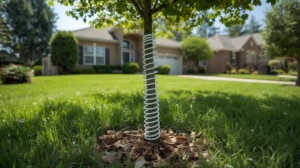
Even a well-watered, well-mulched young tree can fail if animals strip the bark. Rabbits, voles, and deer often target trunks and lower branches when snow is deep.
Iowa State University Extension suggests fencing or white spiral tree guards around trunks to stop chewing. They also advise checking protected trees after heavy snows so rabbits cannot reach higher on the trunk. Their detailed guidance is available in
this animal damage prevention article.
Near roads and driveways, salt can damage roots and buds. When possible, use sand or a less salty de-icer around young trees. Keep snow piles containing road salt away from new plantings.
Know When to Stake and When to Skip It
Many young trees do not need staking at all. However, very windy sites or poorly rooted trees may benefit from short-term support.
Organizations such as the Arbor Day Foundation and American Forests remind homeowners that loose, flexible staking encourages stronger trunk development. You can explore their planting and early care advice on the
Arbor Day Foundation planting resource center.
Remove stakes and ties after one to two growing seasons. Long-term staking can actually weaken a young tree.
Common Mistakes to Avoid with Young Trees in Winter
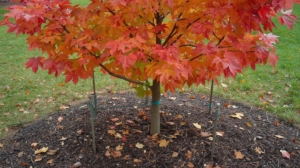
- Piling mulch against the trunk instead of leaving a small gap.
- Leaving tree wraps on all summer, which can trap moisture and insects.
- Using dark guards that absorb heat and increase temperature swings.
- Pruning heavily in late fall, which creates large wounds before deep cold.
- Skipping fall watering after a dry growing season.
Many regional horticulture programs, including the University of Wisconsin–Madison Division of Extension, note that fall pruning should be light and focused on dead or diseased branches only. Heavier structural pruning is best done in late winter. You can read more in their
winter damage concerns for trees article.
Real Results: A Minnesota Tree Experts Customer Review
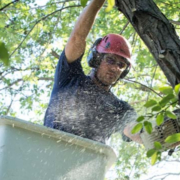
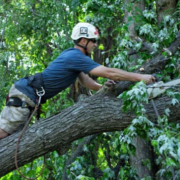
Young Tree Winter Care often starts with proactive trimming and removal of high-risk trees nearby. That creates safer space for new plantings to grow. Here is a recent 5-star Google review from a Minnesota Tree Experts customer:
“Minnesota Tree Experts did an excellent job for us. We had a few trees that needed to be trimmed and a couple removed due to Emerald Ash Disease, and they handled everything perfectly. They were quick, efficient, and extremely respectful of our property—careful not to cause any damage and very thorough with the cleanup.
Their team was professional from start to finish, and the value for the work they did was outstanding. I’d highly recommend Minnesota Tree Experts to anyone needing tree trimming or removal.”
— Billy, 5-Star Google Review
That same level of care applies when our team evaluates young trees for winter protection. If you are planning new plantings, we can also suggest the right species and locations for long-term success.
FAQ: Young Tree Winter Care in Minnesota

Do I need to water young trees during winter?
You usually water young trees in late fall, not midwinter. Water deeply until the ground freezes, especially in dry years. During winter, only water on warm days if the soil has thawed and conditions are very dry.
How much mulch should I use around a young tree?
Use a two to four inch mulch layer extending at least two to three feet from the trunk. Keep mulch a few inches away from the bark to avoid rot and rodent issues.
Should I wrap the trunk of my young tree?
Yes, for many young, thin-barked trees in sunny or exposed locations. Install white tree guards or wrap in late fall and remove them in spring. Make sure guards fit loosely so bark can breathe and trunks can expand.
Is it okay to plant a young tree right before winter?
Fall planting can work well if the soil is still warm enough for root growth. In very late fall, it may be safer to wait until spring or heel the tree in temporarily and protect the root ball. When in doubt, ask a local arborist.
When should I call a professional about young tree winter care?
Call a professional if you see poor growth, yellowing leaves before fall, trunk wounds, or heavy animal damage. You should also call if a young tree leans, rocks in the soil, or stands near power lines or structures.
Unique Trends in Young Tree Winter Care
Recent resources from organizations like Tree Canada and the Arbor Day Foundation highlight more attention on newly planted trees during winter. Many guides now encourage watering young trees every few weeks during snow-free winter periods, when temperatures stay above freezing and soil is dry.
Another trend is combining winter tree care with energy-saving landscape design. Strategic planting can create windbreaks that reduce heating costs while also shielding young trees from harsh winds. The Arbor Day Foundation explains these ideas in their
winter warmth tree placement guide.
Finally, more homeowners in the Twin Cities are treating tree care as part of their annual home maintenance checklist, not a one-time project. This includes fall inspections, scheduled pruning, and regular checks on guards and mulch throughout winter.
Need Help Protecting Young Trees This Winter?
Young Tree Winter Care does not need to feel overwhelming. Start with good watering, proper mulch, and simple guards, then adjust based on your yard. If you want professional guidance, the certified arborists at
Minnesota Tree Experts are ready to help.
Explore our full range of
tree services to support both new plantings and older trees on your property. When you are ready to schedule an inspection or ask questions about your specific site, visit our
contact page and send us a message today.

Published: December 2025
Author: Jacqueline McGreevey