Snow, Ice, and Split Limbs: Preventing Tree Damage During Winter Storms
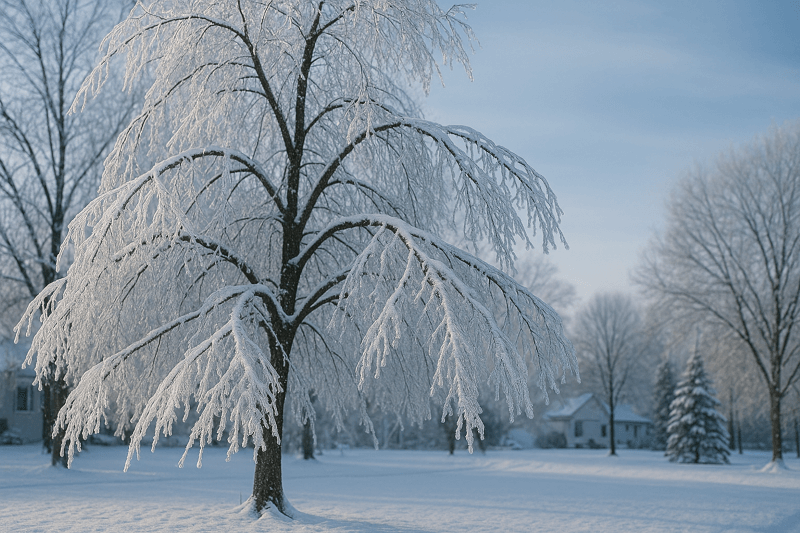
Winter storm tree damage prevention starts long before snow and ice arrive. Strategic pruning, smart planting, and species selection help Minnesota trees resist heavy snow loads, high winds, and ice buildup. With a clear plan and support from certified arborists, you can greatly reduce storm-related breakage and protect your home, family, and landscape.
For Minnesota homeowners, Winter storm tree damage prevention is part safety plan and part long-term tree care strategy. Our storms bring wet snow, glaze ice, and sharp winds that can expose every weakness in your trees. At
Minnesota Tree Experts, we help you find those weak points early and address them before the next blizzard.
Why Minnesota Trees Need Winter Storm Planning
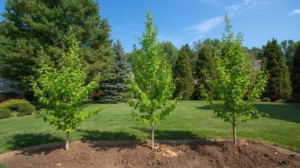
Minnesota sits in a collision zone of Arctic air and storm tracks. One week feels calm. The next brings heavy, sticky snow that clings to every branch. Ice storms and rapid freeze–thaw swings add even more stress.
University of Minnesota Extension notes that healthy trees with good structure survive storms better than neglected trees. Their resource
“Storm damage to landscape trees”
explains how branch angles, past wounds, and decay increase failure risk.
Winter storm tree damage prevention focuses on these underlying factors. You cannot control the weather. You can influence how your trees respond when storms hit.
Core Strategies for Winter storm tree damage prevention
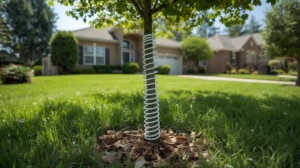
Effective prevention blends correct pruning, smart planting, and ongoing inspections. Small steps today can prevent large removals later.
1. Build Strong Structure with Early Pruning
The best prevention starts when trees are young. Iowa State University Extension highlights that pruning young trees builds strong branch attachments and balanced crowns that resist wind, ice, and snow. Their article
“How to Manage Storm-Damaged Trees”
stresses correcting poor form early.
The Minnesota Department of Natural Resources (DNR) adds that pruning young trees helps them grow strong structure and reduces future storm damage. You can see this guidance in their
“Caring for trees” page.
If your trees are already mature, structural pruning still helps. The team at
Minnesota Tree Experts
can identify weak unions, crossing branches, and heavy limbs over roofs, then make careful cuts to reduce risk.
2. Remove Hazards Before Storms, Not After
University of Minnesota Extension recommends removing dead branches and hazardous trees that threaten homes, sidewalks, or driveways. Their
pruning guide
suggests pruning out weak or narrow-angled branches that hang over targets.
Do not ignore small signs. New cracks, mushrooms at the base, or sudden thinning can indicate internal decay. Those trees are more likely to fail when snow or ice adds weight.
If you see concerning changes, schedule an inspection through the
Minnesota Tree Experts contact page
before storm season.
3. Choose Species and Sites with Storms in Mind
Some species simply handle storms better than others. Fast-growing, brittle trees like silver maple and some hybrid poplars break more often under load. Deeper-rooted and slower-growing species usually show better storm performance.
The Minnesota DNR’s prevention page,
“Prevent future tree damage”,
encourages encouraging good branch angles and avoiding narrow crotches because they are weak points.
When planting new trees, think about wind patterns, soil conditions, and nearby structures. Place trees so crowns have room to grow without constantly overhanging roofs, power lines, or driveways.
4. Use Cabling, Bracing, and Support When Appropriate
Some mature trees are valuable but have known weaknesses. Cabling and bracing can sometimes reduce failure risk in carefully selected trees. These systems must be designed and installed by trained professionals to be effective and safe.
The International Society of Arboriculture notes that while you cannot prevent all storm damage, an ISA Certified Arborist can identify high-risk defects and recommend mitigation. Their brochure description,
“Storm-Related Tree Damage”,
highlights preventive steps and risk assessment.
If you have a sentimental tree with multiple trunks or included bark, talk with
Minnesota Tree Experts
about whether cabling or reduction pruning makes sense.
5. Maintain Overall Tree Health
Healthy trees bend instead of break. Regular watering during droughts, proper mulching, and avoiding trunk and root damage all matter.
Many storm management guides, including the Urban Forestry South publication
“Storm Damage to Landscape Trees: Prediction, Prevention, Treatment,”
emphasize that strong, healthy trees handle storms better.
Avoid piling soil or mulch against trunks, driving heavy equipment near root zones, or wounding bark. These hidden injuries weaken trees long before the first snowflake falls.
Winter Storm Tree Damage Prevention for Common Minnesota Trees
Minnesota neighborhoods feature a mix of oaks, maples, ash, spruces, pines, and ornamental trees. Each group benefits from slightly different prevention tactics.
Oaks
Large limbs over homes deserve regular inspection. For oak wilt prevention, most pruning should occur in mid to late winter. Correct cuts during dormancy reduce both disease risk and storm failures.
Maples
Silver and Norway maples often develop multiple leaders and long, heavy limbs. Structural pruning to favor one central leader and remove tight, V-shaped crotches greatly reduces storm breakage on these trees.
Ash
Emerald ash borer has left many ash trees stressed or partially treated. These trees can have internal decay or dead tops that fail under ice and snow. Proactive removal of high-risk ash trees is often the safest choice.
Spruce and Pine
Dense crowns trap snow and ice. Strategic thinning, while keeping natural form, can reduce loading. For very exposed evergreens, consider windbreaks or staggered planting to slow prevailing winds.
Real Experience: Proactive Care and Emerald Ash Borer Insight
Winter storm tree damage prevention often overlaps with disease management and long-term planning. Here is a recent 5-star Google review from a Minnesota Tree Experts client:
“This is our 3rd time using MN Tree Experts. I emailed them requesting an estimate Friday morning & Eric came out within an hour or two. Eric’s knowledge of the Emerald Ash Borer was tremendously helpful. We lost one tree but we’re hoping with treatment we can save the other. The estimate was right in our budget so we gave the go ahead for all recommended work. Eric & his team arrived on time Monday morning & were done quickly & cleaned up all the debris. We wouldn’t use any other arborists. Great company & Eric was especially helpful!”
— Heather, 5-Star Google Review
That same combination of quick response, education, and thoughtful recommendations shapes our storm prevention work. We help you balance safety, budget, and the value of mature shade on your property.
FAQ: Winter Storm Tree Damage Prevention

How can I prevent tree damage during winter storms?
Focus on strong structure, healthy roots, and early hazard removal. Prune weak or narrow-angled branches away from targets. Keep trees healthy with proper watering and mulching, and schedule periodic inspections with a certified arborist.
When should I prune trees to reduce storm damage?
In Minnesota, mid to late winter is often ideal for most trees. Trees are dormant, pests are less active, and structure is easier to see. Avoid heavy pruning during hot, dry periods or when disease pressure is high for specific species.
Which trees are most likely to fail in winter storms?
Fast-growing, brittle species and trees with poor structure fail more often. Silver maple, some hybrid poplars, and neglected ash are common storm casualties. Trees with multiple leaders, decay, or old topping cuts also carry higher risk.
Is cabling or bracing a good idea for my tree?
Cabling and bracing can help certain high-value trees with known defects. However, they are not a cure-all. An arborist should evaluate the tree, recommend hardware, and install systems correctly for safety and effectiveness.
When should I call a professional instead of doing the work myself?
Call a certified arborist whenever large limbs, tall trees, or nearby structures are involved. You should also call if you see cracks, root upheaval, or branches near power lines. DIY pruning is best limited to small, low branches with clear access.
Ready to Put a Winter Storm Tree Plan in Place?
Winter storm tree damage prevention is not about fear. It is about smart planning and regular, proactive care. When you invest in strong structure and healthy roots, you invest in safer winters and longer tree lifespans.
If you would like help assessing your trees before the next big storm, the certified arborists at
Minnesota Tree Experts
are ready to assist. Explore our full range of
tree services,
then use our
contact page
to schedule a visit. Together, we can help your Minnesota trees stand strong through every winter storm.

Published: January 2026
Author: Jacqueline McGreevey