Preparing for Spring Tree Landscaping: A Minnesota Homeowner Checklist
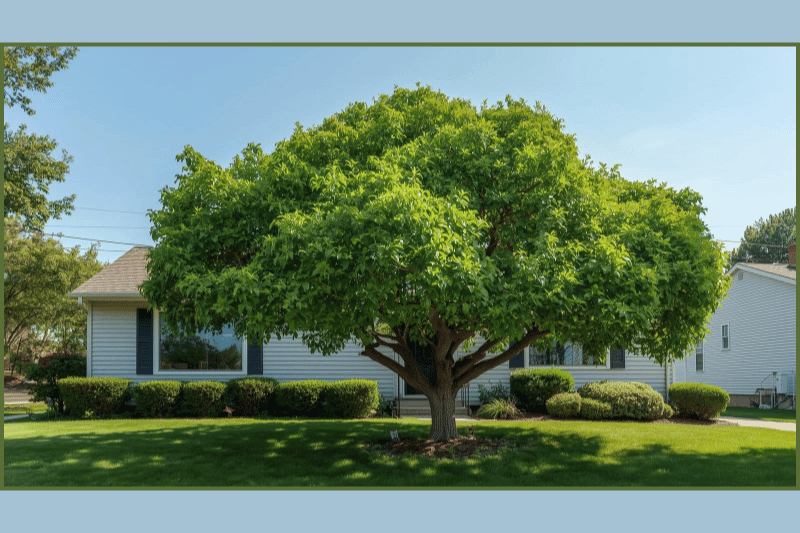
Summary: Preparing for Spring Tree Landscaping starts before the snow fully melts. A smart spring plan includes inspecting winter damage, pruning safely, refreshing mulch, checking soil and moisture, and planning new plantings tailored to Minnesota’s climate. When you combine these steps into one simple checklist, you help your trees leaf out stronger, safer, and healthier all season.
For Minnesota homeowners, Preparing for Spring Tree Landscaping is about more than “cleaning up the yard.” It is your chance to spot hidden winter damage, shape healthier canopies, refresh mulch, and plan new trees that fit your space. With a thoughtful spring routine and help from
Minnesota Tree Experts, your landscape can move from stressed and snow-packed to ready for growth.
Why Spring Is the Best Time to Reset Tree Health
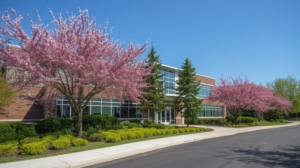
As days lengthen and temperatures rise, trees shift from dormancy into active growth. Buds swell, sap flow increases, and roots start pulling more water. Late winter and early spring offer a clear view of branch structure before leaves return, which makes it easier to see broken limbs and crossing branches that formed during winter storms.
A recent spring gardening checklist highlights pruning before leaf-out, inspecting for winter injury, and preparing beds as key early-season tasks Those same tasks form the backbone of a strong tree landscaping plan for Minnesota yards.
Preparing for Spring Tree Landscaping in Minnesota
Spring prep for Minnesota trees should follow a simple sequence: inspect, clean up, prune, mulch, water, and plan. Each step supports the next and keeps you from missing important details.
1. Inspect Trees for Winter Damage and Safety Issues
Start with a slow walk around your yard. Look for cracked branches, hanging limbs, fresh splits, and new leans. Pay special attention to trees near homes, driveways, sidewalks, and play areas.
The University of Minnesota’s tree owner resources encourage regular inspections from a distance and up close to catch defects early. If you see serious problems, schedule a visit through the
Minnesota Tree Experts contact page
before storms or spring winds arrive.
2. Clean Up the Base of Each Tree
Remove fallen branches, heavy leaf piles, and old, matted mulch at the base of your trees. This clean-up step helps reduce disease and pest habitat, and it lets you clearly see the root flare and soil level.
Avoid adding new soil over exposed roots unless a professional recommends it. Burying the root flare can lead to girdling roots and decline over time.
3. Prune Dead, Damaged, and Problem Branches
Spring pruning should focus on safety and structure. Remove dead, broken, or diseased branches first. Then address rubbing branches and obvious problem limbs that cross or crowd the crown.
University of Minnesota Extension recommends pruning out weak or narrow-angled branches that overhang homes and sidewalks to protect people and property. For some tree types, you must time pruning carefully to avoid disease issues, so when in doubt, ask a certified arborist.
The pruning section of your plan is where working with the pros at
Minnesota Tree Experts tree services
makes a big difference. Our crew can handle large cuts, storm-damaged limbs, and high-risk trees safely.
4. Refresh Mulch the Right Way
Once the base is clean, add or refresh mulch around each tree. Mulch helps regulate soil temperature, conserve moisture, and reduce weed competition.
- Use wood chips or another organic mulch.
- Apply mulch 2–4 inches deep over the root zone.
- Keep mulch a few inches away from the trunk to avoid “mulch volcanoes.”
The Minnesota DNR and Extension both stress keeping mulch off the trunk and maintaining a wide mulch ring for long-term tree health.
5. Check Soil Moisture and Plan Early Watering
Spring often swings between soggy weeks and windy dry spells. As soil thaws, check moisture a few inches down. Water newly planted and young trees when soil feels dry, especially in sandy or raised areas.
A tree maintenance guide from Illinois Extension suggests monitoring soil moisture weekly and watering within several feet of the trunk out to the dripline. University of Minnesota also recommends a broad mulch ring and consistent watering to support new roots after planting.
6. Plan New Trees and Shrubs that Fit Minnesota’s Climate
Spring is a great time to plan new plantings or replacements for trees lost to storms or disease. Choosing the right species now can reduce storm damage and maintenance in future years.
University of Minnesota Extension’s “Trees and shrubs for Minnesota landscapes” and regional lists of tough Midwest trees highlight species that tolerate local winters and soils. You can pair those suggestions with native-focused guides for the upper Midwest.
If you are unsure what to plant, ask the arborists at
Minnesota Tree Experts
to walk your yard with you. We can suggest species and locations that align with your goals and space.
Spring Tree Landscaping for Minnesota’s Most Common Trees
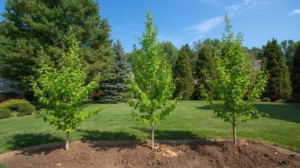
Preparing for Spring Tree Landscaping looks a bit different for each tree type. Here are some Minnesota-specific pointers.
Oaks
For oak wilt prevention, most pruning should happen in mid to late winter, before sap beetles become active. In early spring, focus on inspection, mulch, and soil checks. If you missed pruning in winter, talk with an arborist about safe timing before cutting.
Maples
Maples often bleed sap if pruned as they leaf out, which usually does not harm the tree but can be messy. Spring is a good time to identify heavy or poorly attached branches and schedule structural pruning during the next dormant season.
Ash
Many Minnesota ash trees now deal with emerald ash borer pressure. Spring inspections should include looking for canopy thinning, woodpecker activity, bark splits, and epicormic shoots. If you want to preserve specific ash trees, talk with an arborist about treatment timing and options.
Evergreens
After snow melts, check evergreens for winter burn, broken tops, and bent limbs. Light shaping cuts and removal of dead tips can wait until new growth shows. Deep watering during dry, windy spring periods helps evergreens recover from winter stress.
Real-World Results: Spring Tree Work with Minnesota Tree Experts
Spring is also prime time for scheduled removals, pruning, and clean-up. Here is a recent 5-star Google review from a Minnesota Tree Experts customer:
“We had an outstanding experience with Minnesota Tree Experts! Mike was personable and extremely accommodating with scheduling, which made the process easy from the start. The crew demonstrated impressive efficiency and teamwork—what could have been a long, drawn-out project was completed in just a couple of hours, from the first cut through a thorough cleanup.
Their pricing was very reasonable for the exceptional quality of work, and our yard looked great when they finished. I highly recommend Minnesota Tree Experts to anyone in need of tree removal. Thank you, Mike and crew, for a job well done!”
— Kristy B., 5-Star Google Review
That same combination of clear communication, efficient work, and careful clean-up guides our spring landscaping prep visits. Whether you need pruning, removals, or a full spring tree health review, our
tree services
fit into your larger landscape plans.
FAQ: Preparing for Spring Tree Landscaping

When should I start Preparing for Spring Tree Landscaping?
Begin planning in late winter, as days lengthen but snow still lingers. You can start inspections and scheduling then. Hands-on work usually begins when snow recedes and the ground starts to thaw, but before full leaf-out.
What should I do first in spring for my trees?
Start with a safety and health inspection. Look for broken branches, cracks, and winter injury. Then clean up debris, refresh mulch correctly, and plan pruning or removals with an arborist.
Is spring a good time to plant new trees in Minnesota?
Yes, spring is a good time for many species, especially container and balled-and-burlapped trees. Follow University of Minnesota planting guidelines for depth, watering, and mulching to support establishment
How much mulch should I use around my trees in spring?
Aim for a 2–4 inch layer of organic mulch over the root zone. Keep mulch a few inches away from the trunk to prevent rot and pest problems. Widen the mulch ring over time as roots spread.
When should I call a professional instead of doing spring tree work myself?
Call a certified arborist for large trees, elevated branches, or complex cuts near structures or power lines. You should also call if you see significant cracks, decay, leaning trunks, or signs of serious pests or disease.
Ready to Turn Winter Cleanup into a Spring Tree Plan?
Preparing for Spring Tree Landscaping is your annual chance to reset tree health, safety, and beauty. When you combine careful inspection, smart pruning, proper mulching, and thoughtful planting, your trees reward you with strong growth and better storm resilience.
If you would like expert help building a spring plan for your yard, the certified arborists at
Minnesota Tree Experts
are ready to help. Explore our
tree services,
then visit the
contact page
to schedule a spring inspection or pruning. Together, we can help your Minnesota trees move from winter stress to spring strength in one clear, manageable plan.

Published: January 2026
Author: Jacqueline McGreevey