Winter Storm Tree Damage: What Minnesota Homeowners Should Do First
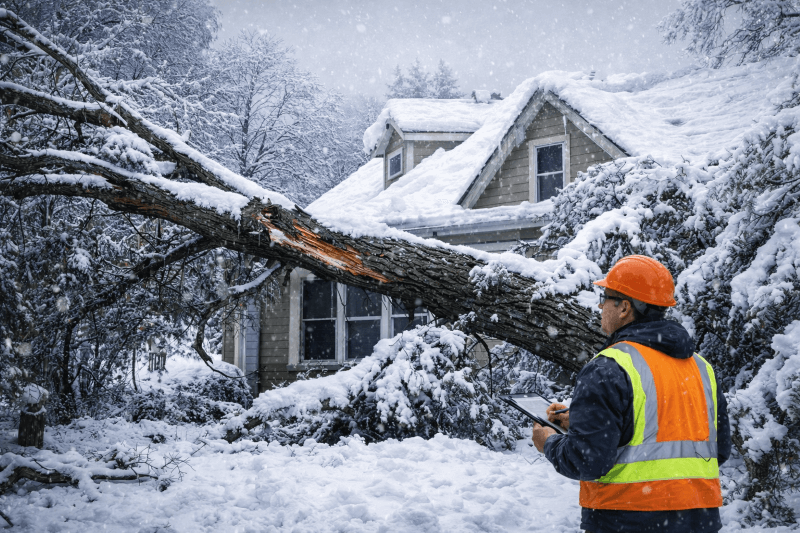
Winter storm tree damage can leave broken branches, split trunks, and leaning trees across Minnesota yards. Knowing what to look for, what to do first, and when to call a certified arborist helps protect your home, reduce long-term risk, and support your trees’ recovery after snow, ice, and wind events.
When a big storm blows through, Winter storm tree damage is often the first thing you notice in your yard. Broken limbs on the lawn, branches resting on the roof, or a tree suddenly leaning toward your home can feel overwhelming. The team at
Minnesota Tree Experts helps homeowners turn that stress into a clear, safe plan after severe winter weather.
Understanding Winter storm tree damage in Minnesota
Minnesota’s winter storms usually combine three stressors: heavy snow, glaze ice, and strong winds. That combination can twist crowns, overload branches, and weaken roots. University of Minnesota Extension notes that healthy trees survive storms better, while natural imperfections and past wounds increase failure risk. Their
“Storm damage to landscape trees” guide
explains how structure, species, and maintenance affect outcomes.
Wet, heavy snow is especially damaging because it sticks to every twig. In recent winters, storms like the “Blue Blizzard” and other heavy snow events bent and broke countless trees across the state.
Ice storms add another layer of risk. Ice loads branches with unexpected weight and makes wood brittle. Even trees that look fine during the storm may hide cracks that fail later. After any significant event, a visual check from the ground is essential.
Common Types of Winter storm tree damage
Winter storms damage trees in several predictable ways. Recognizing these patterns helps you decide what needs urgent attention and what can wait.
- Broken branches: Limbs snap where they attach to the trunk or along weak spots.
- Split trunks or major stems: Co-dominant leaders and old wounds are common failure points.
- Leaning or uprooted trees: Saturated or shallow soils make roots more likely to lift or fail.
- Hanging or “widowmaker” limbs: Broken branches caught high in the crown pose serious hazards.
Iowa State University’s “How to Manage Storm-Damaged Trees” notes that wind, ice, and snow can injure trees of all ages, and that damaged trees should be evaluated carefully before pruning or removal.
The Minnesota Department of Natural Resources (DNR) emphasizes caution around damaged trees. Their
storm-damaged tree checklist
stresses staying clear of downed wires and calling professionals for large hanging branches or leaning trunks.
How Winter Storms Affect Popular Minnesota Trees
Not all species respond to storms the same way. Common Minnesota trees share some patterns of vulnerability under snow, ice, and wind.
Oaks: Strong, But Not Invincible
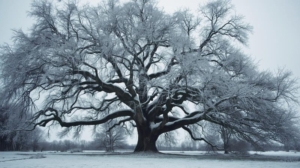
Mature oaks have strong wood, yet heavy limbs can still fail under ice and snow. Old branch unions, past topping cuts, and decay pockets increase risk. When a 70-year-old oak drops a limb, the wound can be large and slow to close.
Oaks also bring disease timing concerns. To reduce oak wilt risk, most experts recommend pruning oaks only in mid-winter or very early spring when beetle activity is low.
If you have large oaks over your house or driveway, schedule a structural inspection with
Minnesota Tree Experts
before the storm season. Strategic pruning can lighten loads and remove problem limbs.
Maples: Beautiful Shade, Higher Breakage Risk
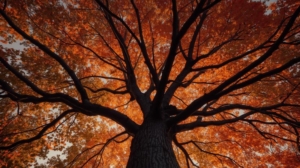
Many maples, especially silver maples, grow quickly with long, heavy limbs and multiple leaders. Research on species susceptibility places silver maple among the more storm-prone trees, especially under ice load.
Norway maples and other shallow-rooted species can lean or uproot in saturated, windy conditions. Regular thinning cuts and removal of co-dominant stems greatly reduce these risks.
Ash and Other Common Shade Trees
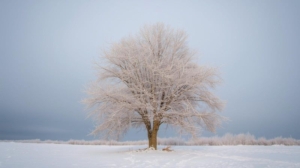
In many Minnesota neighborhoods, ash trees remain common, even with emerald ash borer pressure. Stressed or partially treated ash trees may fail more easily in storms due to internal decay or dieback.
Other thin-barked species, including some birches and ornamental crabapples, can suffer bark splitting and limb breakage, especially when snow or ice combines with strong wind.
Spruce and Pine: Evergreen Storm Survivors with Weak Spots
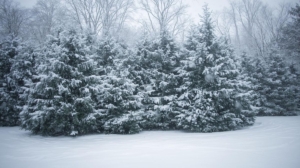
Spruce and pine hold their needles year-round. That foliage catches snow and ice, which adds significant weight to crowns. Colorado blue spruce and some dense arborvitae varieties often show bent or broken limbs after wet snow events.
White pines bend more than snap, but repeated bending can still cause internal cracks. For large evergreens close to the house, preventative pruning and load-reducing cuts can improve storm performance.
What Minnesota Homeowners Should Do First After a Winter Storm
The first hours after a storm set the tone for safety and recovery. A clear step-by-step approach helps.
- Put safety before clean-up. Stay away from downed power lines and call 911 if you see any.
- Inspect from the ground. Walk your yard and look up for hanging limbs or new leans.
- Take photos and notes. Pictures help with insurance, city reporting, and arborist evaluations.
- Avoid climbing or cutting large limbs yourself. Chainsaws plus tensioned wood are a dangerous mix.
- Contact a certified arborist. Schedule a visit through the
Minnesota Tree Experts contact page.
For minor debris, you may handle small broken branches on the ground. For anything overhead, near structures, or attached to a damaged trunk, call professionals. The crew at
Minnesota Tree Experts
provides safe removals, pruning, and stump grinding after storms.
Real-World Winter Storm Tree Damage Experience
Storm decisions are rarely simple, especially around older trees with history and sentiment. Here is a recent 5-star Google review from a Minnesota Tree Experts client:
“Eric from Minnesota Tree Experts (MTE) was exceptional to work with. He came to our house and thoroughly explained our options for two 70-year-old oak trees in our yard that were in rough shape. He walked us through the impacts of trimming versus removal, allowing us to make a well-informed decision.
We received quotes from other tree companies, but they were curt and primarily interested in cutting down the trees to presumably make more money. Eric provided a quote that was significantly lower than the other companies and was able to fit us into their schedule quickly.
Ultimately, we decided to remove both trees. The workers were great to interact with, professional, and diligent in minimizing yard damage during the removal process. They also did an excellent job of removing the tree stumps and left a well-cleaned, flat surface for us to plant grass.
We were very impressed with MTE and highly recommend this company. We will only use them for any future tree trimming and removal needs.”
— Patrick, 5-Star Google Review
That same balance of education, fair pricing, and careful clean-up guides our winter storm response. Whether you need a risk assessment or a full removal, our
tree services
adapt to your goals and budget.
FAQ: Winter Storm Tree Damage in Minnesota

What should I check first after a winter storm?
Start with safety. Look for downed power lines, leaning trees, and hanging branches. Keep people and pets away from hazards. Then document the damage with photos and call a certified arborist for a professional evaluation.
Can a tree recover from Winter storm tree damage?
Many trees can recover if main stems and root systems remain sound. Proper pruning of broken branches and follow-up care help. However, trees with major trunk splits, severe lean, or extensive crown loss may need removal for safety.
Should I try to remove ice or heavy snow from branches?
Do not knock ice off branches, because ice makes wood brittle and easy to break. You may gently brush off light, fluffy snow using an upward motion with a broom. If branches are high or under tension, wait for professionals.
How do I know if a damaged tree is dangerous?
Warning signs include fresh cracks in the trunk, uprooted roots, large hanging limbs, or a new lean toward a target. Trees near homes, driveways, or power lines deserve extra attention. When in doubt, have an arborist inspect the tree.
Does insurance usually cover Winter storm tree damage?
Many homeowners’ policies cover damage when a tree hits a covered structure, but rules vary. They may not cover removal of undamaged trees or debris that does not hit a structure. Check your policy and talk with your insurance agent after documenting damage.
Plan Ahead to Reduce Future Winter Storm Tree Damage
Winter storms will always be part of Minnesota life. However, thoughtful planning can dramatically reduce damage. Strong structure, good species choices, and regular maintenance help trees bend instead of break.
Start with a proactive inspection outside storm season. A certified arborist from
Minnesota Tree Experts
can identify weak branch unions, decay pockets, and risky overhangs. From there, a custom plan might include pruning, cabling, or selective removals.
If you are concerned about how your trees will handle the next storm, explore our
tree services
and then reach out through the
contact page.
Together, we can make Winter storm tree damage less likely and help your landscape stay safe, healthy, and beautiful in every season.

Published: January 2026
Author: Jacqueline McGreevey