Does My Tree Need Cabling or Bracing Before Winter?

Professional tree cabling and bracing MN services can help support certain trees with weak limbs, multiple trunks, or structural defects. Fall provides homeowners and businesses an opportunity to assess vulnerable trees before winter snow, ice, and strong winds arrive. Cabling or bracing may help preserve a valuable tree, but a professional should first determine whether support is appropriate.
Frequently Asked Questions About Tree Cabling and Bracing MN
What is tree cabling and bracing?
Tree cabling and bracing are supplemental support methods used for trees with specific structural weaknesses. Cables typically support branches or multiple stems higher within the tree canopy. Bracing rods can reinforce weak or splitting branch unions and trunks.
How do I know if my tree needs cabling or bracing?
Possible warning signs include multiple trunks, narrow branch unions, visible cracks, splitting stems, or unusually heavy limbs. However, these conditions do not automatically mean a support system is appropriate. A professional assessment should determine the tree’s condition and level of risk.
Should I have a tree inspected before winter?
Fall can be a useful time to evaluate trees before Minnesota’s snow, ice, and winter winds. Added weight and weather exposure can place more stress on already weak branches or unions.
Can cabling save a mature tree that would otherwise need removal?
Sometimes. Structural support may help preserve certain healthy trees with correctable weaknesses. However, extensive decay, severe root problems, or major structural failure may make removal the safer option.
Does cabling make a tree completely safe during storms?
No. Cabling and bracing reduce movement and provide supplemental support, but they cannot eliminate every tree-related risk. Trees continue growing and reacting to wind, snow, ice, disease, and changing site conditions.
Can homeowners install tree cables themselves?
Tree support systems require careful assessment, proper hardware placement, and knowledge of tree structure. Improper installation can damage the tree and create a false sense of security. Professional attention is strongly preferred, especially for mature trees near buildings or occupied areas.
Do tree cables and braces require future inspections?
Yes. Support systems require periodic inspection because trees continue growing and changing around the hardware. A professional can evaluate the tree, attachment points, hardware condition, and changing structural needs.
Can pruning be used with cabling and bracing?
Yes. Selective pruning may reduce excessive weight or improve tree structure before or alongside a support system. The appropriate combination depends on the individual tree and its defects.
Why Tree Structure Matters Before a Minnesota Winter
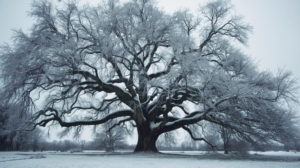
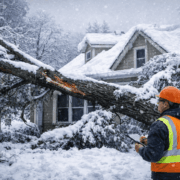
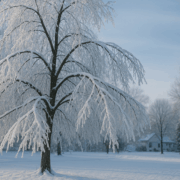
Minnesota winters can place considerable stress on mature trees. Snow can accumulate on branches, while ice can add substantial weight to the canopy. Winter winds can also increase movement within already weak branch unions. Most healthy trees naturally flex as weather conditions change. The concern develops when a tree has a structural weakness that concentrates stress in one location. A weak attachment may eventually separate under conditions the rest of the tree could otherwise tolerate. Identifying these weaknesses before winter gives property owners more time to consider appropriate corrective action.
When Tree Cabling and Bracing MN May Be Appropriate
Tree cabling and bracing MN services do not apply to every mature tree. They typically address specific structural conditions that may increase the likelihood of limb or trunk failure.
| Condition | What You May Notice | Possible Professional Response |
|---|---|---|
| Co-dominant stems | Two or more major trunks grow from the same area. | Evaluate the union and consider cabling, pruning, bracing, or monitoring. |
| Narrow branch unions | Large branches meet the trunk at tight angles. | Assess attachment strength and determine whether supplemental support may help. |
| Developing cracks | A visible split appears between major trunks or limbs. | Determine whether bracing, cabling, pruning, or removal is appropriate. |
| Heavy horizontal limbs | Large limbs extend over buildings, parking areas, or gathering spaces. | Evaluate structure, load, pruning options, and possible support. |
| Past storm damage | A limb or trunk remains weakened after previous wind or ice damage. | Assess whether the remaining structure can be safely preserved. |
| Advanced decay | Cavities, fungal growth, or deteriorated wood appear near structural areas. | Determine whether support is appropriate or removal offers a safer solution. |
What Does Tree Cabling Actually Do?

Cabling connects selected portions of a tree to provide supplemental support. The system can limit excessive movement between limbs, leaders, or multiple stems. It does not prevent normal movement entirely. Trees need some flexibility to respond naturally to wind and weather. The International Society of Arboriculture publishes Best Management Practices for Tree Support Systems. These guidelines address professional installation and maintenance of cables, braces, guys, and other support systems. Industry standards reinforce an important point: support systems require professional judgment.
How Is Tree Bracing Different?
Bracing generally uses rods installed through weak branch unions or splitting sections of the tree. The rods help reduce movement at a specific structural defect. Cabling usually provides support higher within the tree. Some trees may benefit from both methods. Others may need only selective tree trimming and pruning. The correct recommendation depends on the defect, tree species, tree condition, and surrounding property.
A “V” Shape Can Be More Important Than It Looks
One useful warning sign involves two major stems forming a narrow V-shaped union. These trunks may appear strong because both sides continue producing healthy leaves. However, the connection between them can be less secure than it appears. Bark can sometimes become trapped between expanding stems. This condition can prevent the stems from forming a stronger wood connection. Property owners may not notice the problem until a crack develops or one stem begins moving independently. A professional can inspect these unions before weather places additional stress on them.
Cabling Is a Preservation Tool, Not a Cure-All
One misconception deserves special attention. Installing a cable does not transform a hazardous tree into a permanently safe tree. Support systems can reduce movement and reinforce certain weaknesses. They cannot reverse extensive decay or restore severely compromised roots. Purdue Extension notes that not every tree can be reinforced successfully with supplemental support. A qualified arborist should determine whether a tree is an appropriate candidate. Sometimes preservation makes sense. Other situations require professional tree removal because the underlying defect is too extensive.
Consider What Is Beneath the Tree
Tree condition represents only part of a professional risk assessment. Location also matters. A weak branch over an unused wooded area presents a different concern than one above a bedroom. The same applies to branches over parking lots, sidewalks, patios, playgrounds, or commercial entrances. Tree professionals often call these possible impact areas “targets.” A structural problem becomes more significant when people or valuable property regularly occupy the area below it. This consideration is especially important for commercial properties and multifamily housing.
Previous Storm Damage Deserves Another Look
A tree may survive a major storm and continue looking surprisingly normal. That does not always mean the storm caused no structural damage. Wind can change branch unions, create cracks, or weaken previously stable sections. Those problems can remain unnoticed until another weather event arrives. If a tree experienced significant weather damage, consider a follow-up assessment before winter. Minnesota Tree Experts also provides storm-damaged tree services for trees affected by severe weather.
Can Pruning Reduce the Need for Structural Support?
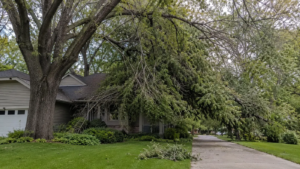
Sometimes pruning plays an important role in managing structural problems. A professional may selectively reduce weight on an unusually heavy limb. Deadwood may also need removal before winter. However, aggressive pruning is not an appropriate substitute for structural assessment. Removing excessive live canopy can create new problems and unnecessarily stress the tree. Professional pruning focuses on a specific objective rather than simply making the tree smaller. Learn more about Minnesota Tree Experts’ tree trimming and pruning services.
Tree Health Matters Before Installing Support Hardware
A structurally weak tree can still be healthy enough to preserve. Conversely, a full canopy does not guarantee that the underlying wood remains sound. Decay can develop within trunks or branch unions while leaves continue looking normal. Roots can also decline without creating immediate changes in the canopy. A thorough evaluation therefore considers more than the visible crack or weak limb. Minnesota Tree Experts provides tree diagnostics and treatments when disease or declining health may affect the recommendation.
Tree Cabling and Bracing MN Is Not a DIY Project

Installing hardware in a mature tree requires more than choosing a cable from a hardware store. Professionals must determine the correct support points, hardware type, placement, and installation method. They must also understand how those choices affect living tree tissue. Improper placement can damage the tree or fail to support the intended structural weakness. Worse, poorly installed hardware may create confidence without providing effective support. The Tree Care Industry Association’s ANSI A300 standards specifically address supplemental support systems, including cabling and bracing. Professional evaluation is particularly important when a mature tree stands near people, buildings, or vehicles.
Support Systems Need Follow-Up Care
Cabling and bracing should not become a “install it and forget it” service. Trees continue adding wood and increasing in size after installation. Branch loads change as the canopy develops. Hardware can also experience wear or changing tension over time. Periodic inspections help determine whether the system still performs its intended purpose. The tree itself should also receive continued health and structural assessments.
When Removal May Be the Better Recommendation

Preserving mature trees is often worthwhile, but preservation must remain reasonable and safe. Cabling may not provide an appropriate solution when extensive structural failure has already occurred. Severe decay can also reduce the amount of sound wood available for effective support. Major root failure, substantial trunk deterioration, or multiple serious defects can change the recommendation. In those situations, removal may provide a more responsible long-term solution. The objective should always involve selecting the right treatment for the individual tree.
Signs Worth Checking Before Winter
Homeowners and property managers can inspect trees from ground level throughout the fall. Watch for changes rather than attempting to diagnose the tree yourself.
- Look for newly developing cracks between major trunks.
- Watch for branches that appear lower than they did previously.
- Notice large limbs with unusually long horizontal growth.
- Check for dead branches within the upper canopy.
- Look for cavities near major branch connections.
- Watch for fungal growth near trunks or major roots.
- Notice movement between trunks during moderate winds.
- Look for previous storm wounds that appear to be changing.
A visible concern does not automatically mean the tree is dangerous. It does provide a good reason to request professional evaluation. Additional common tree care questions appear on the Minnesota Tree Experts FAQ page.
What Minnesota Tree Experts Customers Say
“Minnesota Tree Experts did a great job from assessing our trees, the recommended work, and the accurate estimate. We appreciate the work they did for us!”
Why Fall Is a Good Time to Look Up
Homeowners naturally focus on gutters, furnaces, roofs, and landscaping while preparing for winter. Mature trees deserve a place on that checklist. Look upward before snow covers the property and winter storms begin. Pay particular attention to large trees near your home, driveway, garage, sidewalks, or outdoor living areas. Businesses should also examine trees near parking spaces, entrances, walkways, and customer areas. An assessment may reveal that no structural work is necessary. It may recommend pruning, continued monitoring, cabling, bracing, or another form of preventive maintenance. Knowing before winter provides more options than discovering a structural problem during an ice storm.
Get Professional Advice Before Minnesota Winter Weather Arrives
Tree support systems can play an important role in preserving valuable mature trees. However, every tree requires an individual assessment. Minnesota Tree Experts provides professional tree care for homeowners and businesses throughout the Twin Cities and surrounding communities. The team can evaluate structural concerns and recommend appropriate options for your property. Those recommendations may include monitoring, pruning, cabling, bracing, treatment, or removal. Explore more seasonal advice and professional tree care information on the Minnesota Tree Experts blog.
Concerned about a weak trunk, heavy limb, or splitting tree before winter?
Contact Minnesota Tree Experts to schedule a professional tree assessment and discuss the safest next step.

Published September 2026.
Authored by Jacqueline McGreevey & Expert Review by Jacob Gall Owner – Arborist