How Should I Prepare My Trees for Winter in Minnesota? A Fall Tree Care Checklist
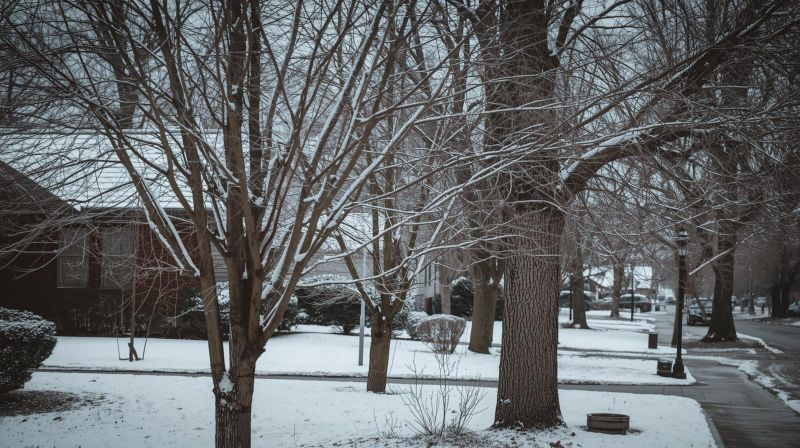
Fall tree care Minnesota homeowners complete before winter should focus on tree safety, moisture, root protection, structural concerns, and winter readiness. Inspect trees for damaged branches or disease, water when fall is dry, correct poor mulching, address hazardous conditions, and plan appropriate pruning or removal before snow and ice add additional stress.
Frequently Asked Questions About Fall Tree Care in Minnesota

When should I prepare my trees for winter in Minnesota?
Start inspecting trees in early to mid-fall while problems remain easy to see. Continue watering and other seasonal care until cold weather and frozen soil limit outdoor work.
Should I water trees in the fall before winter?
Yes, especially when autumn has been dry. Trees need adequate soil moisture before the ground freezes, and young trees and evergreens can be particularly vulnerable to winter moisture loss.
Should trees be pruned before winter?
Dead, broken, or hazardous branches may need prompt attention. However, late winter or dormancy is often better for routine pruning of many Minnesota tree species.
Should I mulch trees before winter?
Proper mulch can conserve moisture and help moderate soil temperatures. Keep mulch away from the trunk instead of piling it against the bark.
How do I know if a tree could be dangerous during winter?
Look for dead limbs, major cracks, hanging branches, trunk cavities, root movement, weak branch attachments, or significant leaning. A professional tree assessment can help determine the level of concern.
Can trees be planted in the fall in Minnesota?
Many trees can be planted successfully during fall when species, timing, site conditions, and aftercare are appropriate. New trees need enough moisture and root protection before winter arrives.
Why Fall Tree Care Matters Before a Minnesota Winter

Minnesota trees face months of freezing temperatures, snow, ice, wind, and fluctuating weather. Problems that seem minor in September can become more serious once winter weather arrives. Heavy snow can add weight to weak branches. Ice may increase stress on poor branch attachments. Winter winds can also dry evergreen foliage and exposed plant tissue. Fall is therefore a useful time to look at the entire tree rather than waiting for a winter failure. The goal is not to make a tree storm-proof. Instead, fall care can identify correctable problems and support healthier trees before winter begins.
Fall Tree Care Minnesota Checklist
| Fall Tree Task | What to Check | Why It Matters Before Winter |
|---|---|---|
| Inspect the canopy | Dead, broken, hanging, or weak limbs | Snow, ice, and wind may increase branch stress |
| Check trunks and roots | Cracks, cavities, fungi, leaning, soil movement | Structural problems can become more serious during winter storms |
| Check soil moisture | Dry soil several inches below the surface | Adequate moisture helps trees enter winter in better condition |
| Review mulch | Depth, placement, trunk contact | Proper mulch helps conserve moisture and insulate roots |
| Evaluate pruning needs | Deadwood, damage, poor structure, clearance issues | Some concerns need attention before winter weather arrives |
| Check support needs | Weak unions, multiple stems, vulnerable limbs | Some trees may benefit from professional cabling or bracing |
| Review diseased trees | Dieback, unusual bark, fungi, declining branches | Diagnosis helps determine whether treatment or removal is appropriate |
| Review old stumps | Trip hazards, decay, unwanted sprouts | Fall may be a convenient time to complete stump grinding |
1. Inspect Trees Before the Leaves Are Gone

Fall provides a useful window for tree inspection. Leaves can still reveal uneven growth, dead areas, or unusual discoloration. Walk around each important tree and look upward from several angles. Compare both sides of the canopy and notice areas that appear thin, dead, or unbalanced. Then inspect the trunk and major branches. Watch for cracks, cavities, peeling areas, mushrooms, broken limbs, or branches hanging in the canopy. Finally, look near the root zone. Soil lifting on one side of the tree or newly exposed roots may deserve professional attention. For a more detailed health check, review How to Evaluate Your Tree’s Health Status.
2. Identify Weak or Hazardous Trees Before Snow and Ice

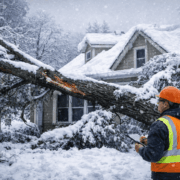
Winter weather does not create every tree defect. It can expose weaknesses that were already present. A large dead branch may stay in place during calm weather. Wet snow, ice, or strong wind can provide the additional force that causes it to fail. Pay particular attention to branches over homes, garages, driveways, sidewalks, play areas, and parking spaces.
Tree Warning Signs Worth Investigating
- Large dead branches
- Broken or hanging limbs
- Deep cracks in major branches or trunks
- Multiple trunks with weak connections
- Large cavities or areas of decay
- Mushrooms or fungal growth near the trunk or roots
- Recent changes in tree lean
- Soil lifting or cracking around the root area
- Significant canopy dieback
Not every defect means a tree needs removal. Some trees need monitoring, pruning, structural support, or another type of corrective care. We will cover these warning signs in greater detail in What Are the Signs of a Hazardous Tree Before Winter?.
3. Do Not Stop Thinking About Water Just Because Summer Is Over
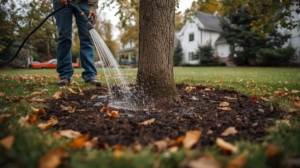
Cooler temperatures do not always mean trees have enough water. A dry Minnesota fall can leave roots entering winter with inadequate moisture. The University of Minnesota Extension recommends checking soil moisture instead of relying only on surface appearance. Established trees may need watering when the upper root zone becomes dry. When watering is needed, water deeply rather than applying frequent shallow amounts. The goal is to moisten the active root zone. Newly planted trees generally require closer moisture monitoring. Evergreens can also benefit from adequate moisture before the ground freezes. University of Minnesota Extension provides detailed guidance for watering established trees and shrubs.
4. Check the Mulch Around Your Trees
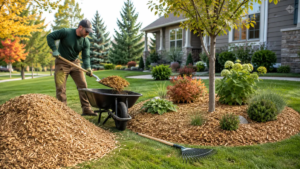
Mulch can support root health by conserving moisture and buffering soil temperature changes. However, more mulch is not always better. A deep mound against the trunk can retain unwanted moisture against the bark. It can also hide the tree’s root flare. Use a broad, relatively shallow mulch layer instead. Keep mulch away from direct contact with the trunk. Think of the finished shape as a wide ring rather than a volcano. The trunk should remain visible where it broadens into the roots.
5. Decide Which Branches Need Attention Now and Which Can Wait
Fall does not mean every tree should receive a full pruning. Pruning timing depends on the tree species, condition, and reason for the work. Dead, damaged, broken, or dangerous branches may need attention when they create an immediate concern. Routine pruning can often wait until the dormant season. Late winter works well for many Minnesota trees because branch structure is easier to see. Dormancy can also reduce certain pest and disease concerns. Read When Is the Best Time to Trim Trees in Minnesota? for more guidance on seasonal timing. If your tree needs professional work, Minnesota Tree Experts provides tree trimming and pruning services throughout the Twin Cities and surrounding suburbs.
6. Look for Trees That May Need Cabling or Bracing

Some trees have valuable, healthy portions but also contain structural weaknesses. Examples include multiple trunks, weak branch unions, or large vulnerable limbs. In selected situations, professional cabling or bracing may help provide structural support. It is not appropriate for every tree and does not prevent all storm damage. An arborist should first evaluate the defect, tree condition, and surrounding targets. Removing a severely compromised tree may sometimes be safer than supporting it. Learn more in Does My Tree Need Cabling or Bracing Before Winter?.
7. Pay Attention to Disease and Decline Before Dormancy
Fall symptoms can provide useful clues about tree health. Look for unusual dieback, discolored foliage, abnormal bark, fungal growth, and branches that failed to leaf normally. Do not assume every yellow leaf indicates disease. Seasonal leaf color changes are normal for many deciduous trees. The pattern matters. One dying section of canopy or repeated decline over several seasons may deserve closer evaluation. Minnesota Tree Experts provides tree disease diagnosis and treatment for common Minnesota tree health concerns. A professional diagnosis can help distinguish disease from environmental stress, root problems, structural decline, or normal seasonal changes.
8. Protect Young and Newly Planted Trees
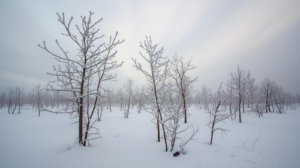
Young trees usually require more winter preparation than established trees. Their root systems remain smaller and more vulnerable to changing soil conditions. Monitor soil moisture until the ground freezes. Maintain proper mulch around the root zone and keep it away from the trunk. Young trees with thin bark may also be vulnerable to winter sunscald. Certain locations can expose trunks to strong temperature changes during sunny winter days. Wildlife can create another concern. Rabbits and rodents may feed on bark when other food becomes scarce. The University of Minnesota Extension recommends appropriate trunk protection for vulnerable young trees. Protection should account for expected snow depth and be removed when appropriate.
9. Can You Plant Trees During Fall in Minnesota?
Fall can be a good planting season for many trees, but timing and species matter. Cooler air temperatures can reduce stress while roots continue developing in suitable soil. However, a newly planted tree still needs time and proper care before winter. Site selection, soil drainage, planting depth, watering, and mulch all affect establishment. Do not select a tree only because it looks attractive at the nursery. Match the species to available sunlight, soil conditions, mature size, and Minnesota climate. We will cover the timing question more closely in Is Fall a Good Time to Plant Trees in Minnesota?.
10. Decide Whether an Old Tree Stump Should Stay Through Winter
Stumps are easy to ignore once the tree is gone. However, they may interfere with mowing, landscaping, snow removal, or future planting plans. Some stumps also continue producing sprouts. Others slowly decay and become less attractive over time. Fall may provide an opportunity to complete stump work before winter. Whether it makes sense depends on access, site conditions, and future plans for the area. We will address that decision in more detail in Should I Grind a Tree Stump Before Winter in Minnesota?.
11. Prepa[ADD LIVE LINK]re Evergreens for Winter Drying
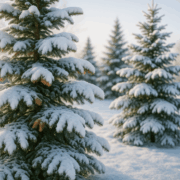
Evergreens continue losing moisture through their needles during winter. Frozen soil may prevent roots from replacing that moisture. This combination can lead to winter browning, especially on exposed sides of the tree. Adequate fall moisture is one important preventive step. Young or vulnerable evergreens may also benefit from protection against strong winter sun and wind. Location and species should guide the approach. Avoid automatically wrapping every evergreen. Use protection when the specific tree and exposure make it useful.
12. Keep Salt and Snow Storage Away From Trees When Possible
Winter tree preparation should include the surrounding property. Snow removal practices can affect tree health long after the snow melts. Avoid piling heavily salted snow around tree trunks and root zones when possible. Road and sidewalk salts can injure roots and damage sensitive vegetation. Plow and snowblower operators should also avoid striking trunks or pushing large snow loads directly against young trees. Planning snow storage areas during fall can prevent avoidable damage later.
13. Know Which Work Is Safe to Handle Yourself
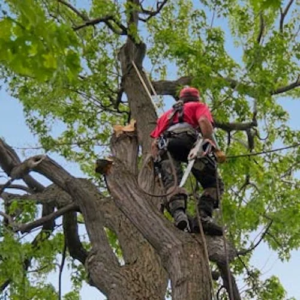
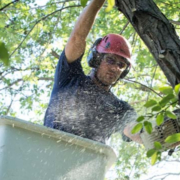
Homeowners can complete many basic fall tree-care tasks. Ground-level inspections, watering, proper mulching, and removing small loose debris are reasonable starting points. Large tree work presents different risks. Avoid climbing trees or using ladders with chainsaws to reach high branches. Professional help is appropriate when branches are large, elevated, storm-damaged, or near buildings and utility lines. Significant decay, cracks, leaning, or root movement also deserve professional evaluation.
What Should Be Done Before the First Major Snow?
Not every tree-care task carries the same urgency. Focus first on conditions that could affect people, structures, vehicles, or the tree itself.
| Priority | Fall Task | Timing |
|---|---|---|
| High | Evaluate hanging limbs or serious structural concerns | As soon as possible |
| High | Address damaged branches over structures or traffic areas | Before winter storms |
| High | Water drought-stressed or newly planted trees | Before soil freezes |
| Medium | Correct mulch placement | During fall |
| Medium | Protect vulnerable young trees | Before winter damage becomes likely |
| Plan Ahead | Routine dormant pruning | Schedule for the appropriate dormant period |
| Plan Ahead | Stump grinding and future planting | Based on site conditions and property plans |
Fall Tree Care Is About Prevention, Not Making Trees Winter-Proof
No maintenance plan can guarantee that a tree will survive every Minnesota storm. Healthy trees can still suffer damage during extreme weather. Fall preparation is about reducing avoidable stress and finding problems before winter makes them harder to address. It also helps property owners decide which work is urgent and which can wait. A healthy tree may only need moisture and routine monitoring. Another tree may need pruning, cabling, disease assessment, or removal. The right decision starts with the condition of the individual tree.
Build a Fall Tree Care Minnesota Plan for Your Property
Start with a walk around your property before winter. Look at the canopy, trunk, root area, soil moisture, mulch, and surrounding structures. Prioritize hazards first. Then address watering, root protection, pruning plans, young-tree care, and other seasonal maintenance. Minnesota Tree Experts provides professional tree care for residential and commercial properties throughout the Twin Cities and surrounding suburbs. Services include tree trimming, tree removal, stump grinding, storm-damage response, diagnostics, and preventive tree care. The team includes a Certified Arborist and Certified Tree Inspector. Explore the Minnesota Tree Experts website or review answers to common questions on the Tree Care FAQ page.
You can also explore additional seasonal advice and tree-care topics throughout the Minnesota Tree Experts blog.
Get Your Trees Ready Before Minnesota Winter Arrives
Fall is one of the best times to notice tree concerns before snow and ice change the landscape. A little preparation now can clarify what needs attention before winter. If you see dead limbs, structural concerns, unusual decline, or trees near important structures, professional evaluation can help. Minnesota Tree Experts can recommend practical next steps based on the tree’s condition.
Contact Minnesota Tree Experts to schedule tree care or request an estimate before winter weather arrives.

Published October 2026
Authored by Jacqueline McGreevey & Expert Review by Jacob Gall Owner – Arborist