How to Evaluate Your Tree’s Health Status
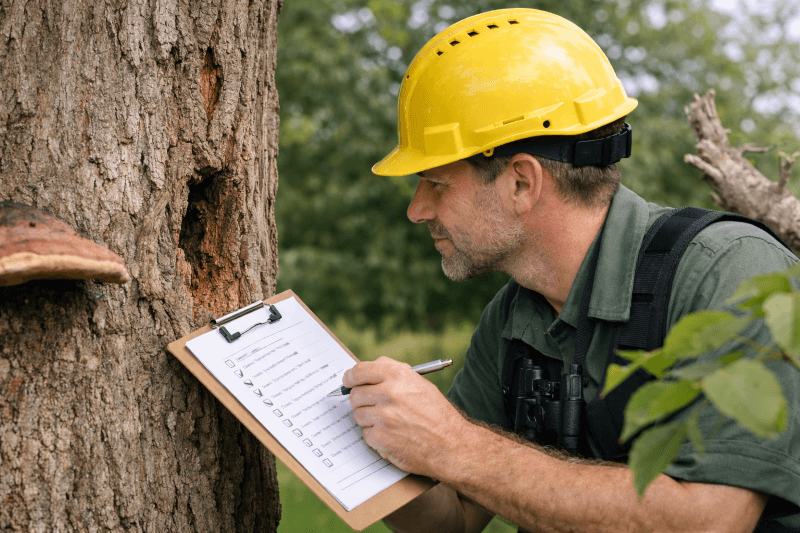
Summary: Learning how to Evaluate Tree Health helps you catch problems early, prevent hazards, and protect your landscape investment. By watching the crown, trunk, and roots, and knowing when to call a certified arborist, you can keep your Minnesota trees stronger and safer in every season.
When you take time to Evaluate Tree Health, you see more than just green leaves or pretty fall color. You learn to spot subtle stress, structural problems, and early signs of pests or disease before they turn into dangerous or expensive emergencies. The team at
Minnesota Tree Experts
uses the same fundamentals that research foresters and certified arborists rely on, and you can adapt many of those steps in your own yard.
Why Tree Health Checks Matter in Minnesota
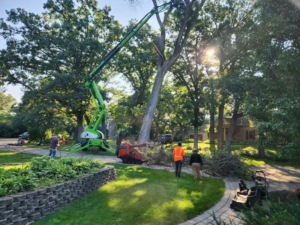
Minnesota trees handle a lot. They face deep freezes, spring storms, summer drought, construction damage, and invasive insects like emerald ash borer. Each stress leaves clues on the tree’s crown, bark, and roots.
A regular health check gives you a baseline. You notice when the canopy looks thinner, when bark changes, or when mushrooms appear at the base. Those small changes often point to bigger issues underground or inside the wood.
If you see worrying changes or just want a professional opinion, schedule an assessment through the
Minnesota Tree Experts contact page.
Our
tree services
include inspections, pruning, removals, and treatments tailored to local conditions.
How to Evaluate Tree Health from the Ground Up
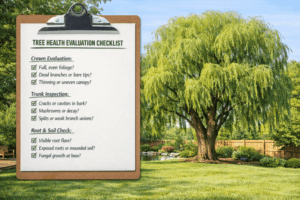
Arborists usually work from the top down and from the outside in: crown, trunk, and roots. You can follow the same sequence for basic checks at home.
Step 1: Study the Crown
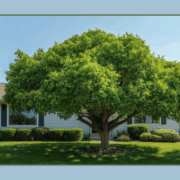
Stand back far enough to see the entire canopy. Compare your tree to similar trees in the neighborhood. Ask yourself a few key questions:
- Do you see even foliage, or are there thin areas?
- Are there many dead twigs or bare branch tips?
- Is one side of the crown much weaker than the other?
Research from forest health programs shows that crown density, foliage transparency, and dieback are strong indicators of overall tree vigor. A full, balanced crown usually means better growth and resilience.
Step 2: Scan the Trunk and Branch Structure
Next, walk closer and look along the trunk and main limbs. You are checking both health and structure.
- Look for cracks, cavities, and seams running down the trunk.
- Check for mushrooms or fungal shelves growing from bark or old wounds.
- Notice co-dominant stems, where the trunk splits into two equal leaders.
- Watch for old topping cuts or large pruning wounds that never sealed well.
Arborists consider these features when they evaluate risk. Some issues only need monitoring. Others may require pruning, cabling, or removal for safety. If you see major cracks, large cavities, or mushrooms on the trunk, contact
Minnesota Tree Experts
for a closer look.
Step 3: Check the Root Collar and Soil Area
Healthy roots need both space and oxygen. Problems at ground level often show up as crown dieback years later, so this step matters.
- Confirm that the root flare (the base widening of the trunk) is visible.
- Look for soil piled against the trunk or “mulch volcanoes.”
- Check for heaving soil, exposed roots, or roots circling the trunk.
- Note any mushrooms, conks, or soft, spongy wood at the base.
These signs can point to root decay, girdling roots, or past construction damage. A tree with serious root problems may look fine in the crown until a storm exposes the weakness.
Common Red Flags When You Evaluate Tree Health
Many tree problems share similar outward symptoms. Here are some of the most important red flags that deserve prompt attention.
Thinning Crown and Branch Dieback
A thinning canopy, especially at the top, often indicates stress. It may stem from compacted soil, drought, root damage, or pests. University and extension resources describe decline as an overall reduction in vigor, with fewer leaves, smaller leaves, and shortened twig growth.
If you see healthy branches right next to dead ones, that pattern is called dieback. Dieback can signal root issues, borers, or canker diseases. It is an important clue in any health check.
Epicormic Sprouts and Suckers
Stressed trees sometimes push out clusters of new shoots along the trunk or major limbs. These sprouts, called epicormic growth, show that the tree is under strain and trying to replace lost foliage quickly.
When you Evaluate Tree Health, watch for these sprouts on ash, oaks, and other common Minnesota species. They often accompany other stress symptoms, such as crown thinning or bark splits.
Indicators of Emerald Ash Borer and Other Borers
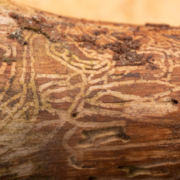
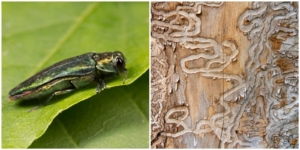
Emerald ash borer (EAB) remains a major concern in Minnesota. Early signs include crown thinning, branch dieback, bark splits, and new shoots on the trunk. You may also see increased woodpecker activity, “D” shaped exit holes, or S-shaped galleries under the bark.
If you suspect EAB or another borer, avoid removing the tree on your own. Call
Minnesota Tree Experts
to confirm the problem and discuss treatment or removal options.
Fungi, Mushrooms, and Conks
Not all fungi are a crisis, but many decay fungi indicate internal rot. Mushrooms on major roots or bracket-shaped conks on the trunk suggest that wood strength may be compromised.
Because internal decay can be hard to gauge from the outside, these signs are a clear reason to schedule a professional assessment, especially when the tree stands near a home, driveway, or play area.
What Arborists Look For That Homeowners Might Miss
Certified arborists use many of the same visual cues you see, but they also consider species traits, site history, and subtle patterns.
- They know which species naturally have sparse crowns and which should look dense.
- They can distinguish normal seasonal changes from real decline or disease.
- They understand how soil issues, grading changes, or drainage affect roots.
- They may use tools like resistographs or sonic devices to evaluate internal decay.
When you work with
Minnesota Tree Experts,
you get that deeper context plus a clear plan: monitor, prune, treat, or remove. Our goal is always to balance safety, budget, and the value your trees bring to your property.
Real-World Example: Health Evaluations and Emerald Ash Disease
Tree health evaluations often lead to difficult decisions, especially when pests like emerald ash borer are involved. Here is a recent 5-star Google review from one of our clients:
“Minnesota Tree Experts did an excellent job for us. We had a few trees that needed to be trimmed and a couple removed due to Emerald Ash Disease, and they handled everything perfectly. They were quick, efficient, and extremely respectful of our property—careful not to cause any damage and very thorough with the cleanup.
Their team was professional from start to finish, and the value for the work they did was outstanding. I’d highly recommend Minnesota Tree Experts to anyone needing tree trimming or removal.”
— Billy, 5-Star Google Review (Tree trimming & pruning)
That kind of outcome starts with a careful health assessment. From there, we work with you to decide whether pruning, treatment, or removal is the safest, most cost-effective choice.
FAQ: How to Evaluate Tree Health

What are the first signs that a tree might be unhealthy?
Early signs include thinning foliage, dead twigs at branch tips, discolored or undersized leaves, and uneven crown shape. You may also notice mushrooms at the base, bark cracks, or sudden changes in leaf density compared to past years.
How often should I Evaluate Tree Health on my property?
Do a quick visual check at least once each season, and a more detailed inspection every year. Schedule a professional evaluation after major storms, construction, or whenever you notice new cracks, lean, or dieback.
Can I evaluate my tree’s health myself, or do I always need an arborist?
Homeowners can spot many basic issues with a structured walk-around. However, large trees, signs of decay, root problems, or branches near structures should be evaluated by a certified arborist for safety and accurate diagnosis.
What should I look for in the crown when I assess tree health?
Look for even foliage, good density, and minimal dead branches. Red flags include thin crowns, patchy dieback, and clumps of sprouts. Compare your tree’s crown to similar healthy trees nearby.
When should I call a professional about my tree’s health?
Call a professional if you see major cracks, cavities, mushrooms on the trunk or roots, sudden lean, or heavy dieback. You should also call if a tree stands close to a home, driveway, or play area and you are unsure about its stability.
Ready for a Professional Tree Health Check?
Learning to Evaluate Tree Health is a powerful first step, but you never have to do it alone. If you are unsure about what you see, or if a tree stands close to important structures, the safest move is to bring in certified help.
The arborists at
Minnesota Tree Experts
can inspect your trees, explain what they find in plain language, and outline practical options. Explore our
tree services,
then use our
contact page
to schedule a visit. Together, we can keep your trees healthier, safer, and thriving for years to come.
Published: March 2026
Author: Jacqueline McGreevey