When Is the Best Time to Trim Trees in Minnesota
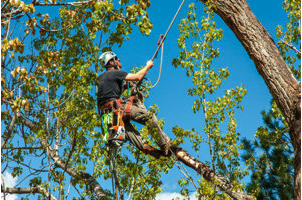
Summary: tree trimming Minnesota homeowners schedule at the right time can improve tree health, reduce storm damage, and lower the risk of disease spread. In most cases, late winter or the dormant season is the best time to trim many Minnesota trees, but oak, elm, flowering trees, and hazard situations all have important timing differences homeowners should understand.
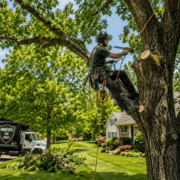
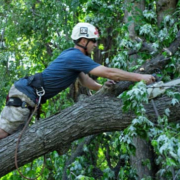
tree trimming Minnesota homeowners need is not just about making a yard look neat. Timing matters because the wrong cut at the wrong time can increase stress, attract pests, or raise the risk of disease. At
Minnesota Tree Experts,
we help homeowners understand when trimming supports healthier growth and when waiting is the smarter choice.
Why Timing Matters for Tree Trimming in Minnesota
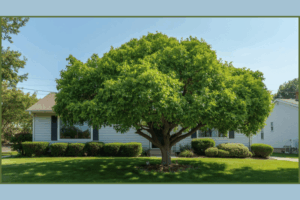
Minnesota trees deal with snow, ice, wind, drought, and major temperature swings. Those stresses already challenge tree structure. Good trimming timing helps reduce extra stress and gives wounds a better chance to close properly.
For many species, the dormant season is the safest and most efficient time to trim. Trees are not putting energy into active growth, branch structure is easier to see, and cold-season trimming often reduces pest and disease pressure. University of Minnesota Extension explains that the late dormant season is the best time to prune most trees and shrubs. You can review that guidance here:
Pruning Trees and Shrubs – University of Minnesota Extension.
If you already know your trees need professional attention, you can learn more on our
Tree Trimming page
or reach out through our
contact page.
When Is the Best Time to Trim Trees in Minnesota?
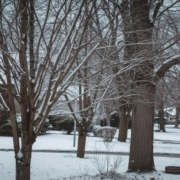
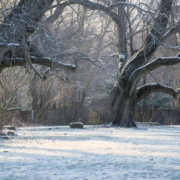
In general, late winter through early spring is the best time to trim many trees in Minnesota. During dormancy, trees have fewer leaves in the way, branch structure is easier to inspect, and pruning cuts are often easier to place correctly.
This timing is especially helpful for:
- Removing dead or broken branches.
- Correcting structure on young trees.
- Reducing storm-risk limbs before spring and summer weather.
- Improving clearance over roofs, drives, and walkways.
Arbor Day Foundation also notes that pruning during dormancy can reduce stress and help reveal the natural structure of the tree more clearly. Their resource is here:
How to Prune Your Trees – Arbor Day Foundation.
However, not every tree should be trimmed on the same calendar. Some species need special timing to avoid spreading disease or reducing flowers.
Species-Specific Timing Homeowners Should Know

Oak Trees
Oaks should not be pruned during the oak wilt risk period. University of Minnesota Extension says not to prune oaks from April to October, and their oak wilt page says not to prune from April through July to prevent infection by sap beetles. For Minnesota homeowners, dormant-season oak pruning is usually the safer plan unless there is an urgent hazard. Learn more here:
Oak Wilt in Minnesota – University of Minnesota Extension.
Elm Trees
Elms also have timing concerns because of Dutch elm disease. Avoiding pruning during higher-risk periods helps reduce attraction to beetles that spread the disease. If storm damage creates a safety issue, emergency trimming can still happen, but routine pruning should follow safer seasonal timing whenever possible.
Spring-Flowering Trees
Trees that bloom in spring, such as crabapples or lilacs trained as small trees, are often best pruned after flowering if preserving blooms matters to you. Pruning too early may remove flower buds and reduce the seasonal display.
Hazard and Storm-Damaged Trees
Safety pruning does not always wait for the perfect season. Broken limbs over roofs, driveways, or walkways should be addressed promptly. In these cases, immediate hazard reduction is more important than ideal seasonal timing.
Quick Guide: Best Timing for Common Trimming Situations
| Tree or Situation | Best General Timing | Main Reason |
|---|---|---|
| Most shade trees | Late winter to early spring | Dormant season is easier on the tree |
| Oak trees | Late fall to winter | Lower oak wilt risk |
| Elm trees | Dormant season | Lower disease-spread risk |
| Spring-flowering trees | After bloom | Preserves flower buds |
| Dead or broken branches | As needed | Safety comes first |
| Young tree structural pruning | Late winter | Shapes stronger long-term growth |
Helpful Homeowner Advice About Tree Trimming in Minnesota
Homeowners often assume trimming should happen only when branches become annoying. In reality, good trimming is often preventive. It helps address weak branch unions, low clearance, storm-risk limbs, and future structure problems before they become expensive.
One practical homeowner tip is to think a season ahead. A branch that barely clears the roof this year may become a wind or snow-load problem next year. Timely trimming often costs less than emergency cleanup later.
Another useful point is that trimming should solve a real problem. Good pruning improves structure, clearance, and long-term health. Bad or unnecessary trimming removes shade, weakens the canopy, and creates more work later.
If you are not sure whether your tree needs trimming, removal, or monitoring, our
Services Page
can help you see the bigger picture.
Common Tree Trimming Mistakes to Avoid
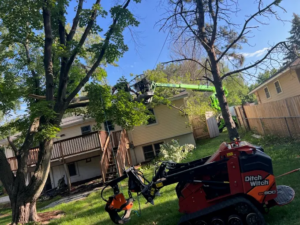
Homeowners often create extra stress by trimming too much, trimming at the wrong time, or making poor cuts. One of the biggest mistakes is topping, which weakens regrowth and harms natural structure.
Penn State Extension warns that topping harms trees, shortens their useful life, and creates more dangerous regrowth later. Their article is here:
Tree Topping: The Cost Is Greater Than You Think – Penn State Extension.
Another common mistake is waiting until branches are already scraping the roof or hanging low over driveways. Preventive trimming is usually better than emergency trimming.
It also helps to avoid assuming all spring trimming is good. Some trees respond well in late winter or early spring, while others need different timing based on bloom cycle or disease risk.
Unique and Helpful Information for Homeowners
The best trimming schedule is not only about the season. It is also about the tree’s age, species, condition, and location. A young maple may need structural guidance. A mature oak may need careful dormant-season pruning. A storm-damaged tree may need immediate safety cuts no matter what the calendar says.
Another practical point is this: not every tree needs to be trimmed every year. Over-pruning can be just as harmful as neglect. The goal is not constant cutting. The goal is healthier, safer, better-structured trees over time.
Homeowners also benefit from using trimming as part of a larger maintenance plan. A good pruning schedule, periodic inspections, and timely removal of deadwood can help trees handle Minnesota weather much better.
Customer Experience with Minnesota Tree Experts
Timing, communication, and clean-up matter just as much as the cuts themselves. Here is a recent 5-star Google review from a Minnesota Tree Experts customer:
“Great price. Eric was great… on time, great price and timeline!!! Thanks so much!”
— Stacey, 5-Star Google Review
Services: Tree stump grinding, Tree trimming & pruning, Tree removal
Homeowners want tree work that is efficient, well-timed, and done with care. That is exactly why correct seasonal planning matters.
FAQ: tree trimming Minnesota

What is the best time to trim trees in Minnesota?
For many species, late winter through early spring is the best time. Trees are dormant, structure is easier to see, and trimming often creates less stress than cuts made during active growth.
Can trees be trimmed in summer?
Sometimes, yes. Hazard trimming and storm-damage work can happen when needed. However, some species are better trimmed outside summer because of disease and insect concerns.
When should I avoid trimming oak trees in Minnesota?
Routine oak trimming should generally be avoided during the oak wilt risk period. Dormant-season pruning is usually the safer option.
Should spring-flowering trees be trimmed in winter?
Usually not if you want the flowers. Many spring-flowering trees are better pruned after blooming so you do not remove the buds before they open.
How do I know if my tree needs trimming or removal?
Trees with dead limbs, clearance problems, or minor structural issues may benefit from trimming. Trees with severe decline, major cracks, or high-risk storm damage may need removal instead.
Need Help Deciding When to Trim Your Trees?
The right timing can improve tree health, reduce risk, and help you avoid bigger problems later. If you are unsure whether your tree needs trimming now, later, or not at all, Minnesota Tree Experts is ready to help.
Visit our
Home page,
review our
Tree Trimming page,
explore our
Services Page,
or reach out through our
contact page.
We can help you build a trimming plan that fits your trees, your yard, and Minnesota’s seasons.

Published: July 2026