
Is Fall a Good Time to Plant or Transplant Trees in Minnesota?
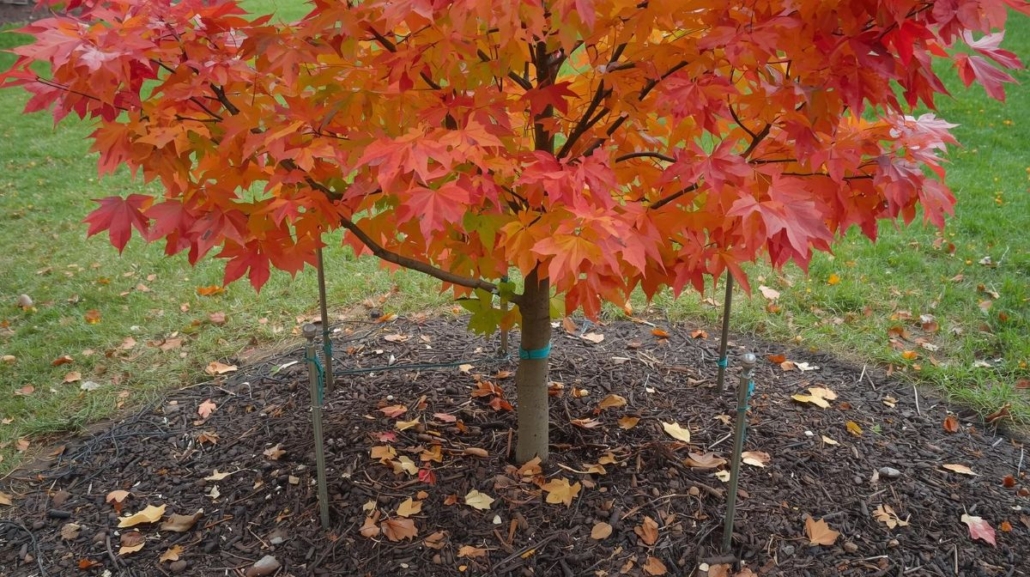
Fall tree planting Minnesota homeowners consider can be a good option when the species, soil conditions, timing, and aftercare are right. Cooler temperatures reduce heat stress, but trees still need time to establish roots before the ground freezes. Proper planting depth, watering, mulch, and site selection are especially important before winter.
Frequently Asked Questions About Fall Tree Planting in Minnesota

Is fall a good time to plant trees in Minnesota?
Yes, fall can be a good planting season for many trees. Cooler air temperatures reduce stress, while warm soil can still support root growth before winter.
How late can you plant trees in Minnesota?
The answer depends on the tree type and weather. Plant early enough for roots to begin establishing before the ground freezes. Evergreens should generally not be planted too late in fall.
Can you transplant an established tree in fall?
Yes, some trees can be transplanted successfully in fall. Larger trees may require professional equipment, careful root-ball sizing, and consistent watering after the move.
Should newly planted trees be watered before winter?
Yes. Newly planted trees need consistent moisture while roots establish. Water thoroughly after planting and continue monitoring soil moisture until the ground freezes.
Should I fertilize a newly planted tree in fall?
Do not automatically apply high-nitrogen fertilizer after planting. Excess late-season growth may not harden properly before winter. Soil conditions should guide fertilizer decisions.
Do newly planted trees need mulch before winter?
Yes. A proper mulch layer can conserve moisture and moderate soil temperatures. Keep mulch several inches away from the trunk instead of piling it against the bark.
Fall Can Be a Good Time to Plant Trees in Minnesota
Fall offers several advantages for tree planting. Cooler air temperatures reduce heat stress, while soil may remain warm enough for roots to continue growing. Trees also lose less water after deciduous leaves begin dropping. That can reduce stress compared with planting during hot summer weather.However, fall planting is not automatically successful. Timing, species, soil drainage, planting depth, and watering all matter.
Why Fall Tree Planting Can Work Well
New trees need to direct energy toward establishing roots. Fall conditions can support that process because trees are no longer putting as much energy into leaves and new shoots. Cooler temperatures also make it easier to maintain soil moisture. Evaporation usually decreases compared with midsummer conditions. University of Minnesota Extension notes that late summer and early fall can be good times to plant new trees and shrubs. Proper watering remains essential after planting.
When Is the Best Time for Fall Tree Planting in Minnesota?
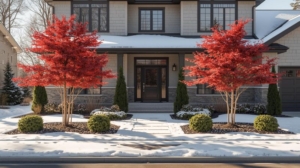
Early fall usually provides a better planting window than waiting until very late in the season. The goal is to give roots time to begin establishing before the soil freezes. Exact timing varies across Minnesota. Northern areas may experience freezing soil earlier than the Twin Cities or southern Minnesota. Weather also changes from year to year. Instead of relying only on a calendar date, consider soil temperature, moisture, and the type of tree being planted.
Do Not Wait Until the Ground Is Frozen
Trees cannot establish effectively in frozen soil. Planting also becomes much more difficult once frost moves deeply into the ground. If planting conditions have deteriorated late in the season, waiting until spring may be the better choice.
Evergreens Need Extra Attention to Fall Timing
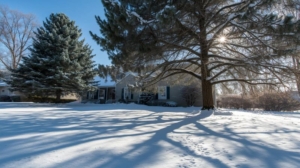
Evergreens keep their needles during winter. Those needles continue losing moisture even when frozen soil limits the roots’ ability to replace it. That makes root establishment and fall moisture especially important. University of Minnesota Extension advises against planting evergreens later than October because they need time to establish roots before winter.Local conditions can still vary, so evaluate the specific tree and planting site rather than using one date for every situation.
Which Trees Are Better Candidates for Fall Planting?
Many deciduous trees can handle fall planting well when properly installed and watered. Container-grown and balled-and-burlapped trees are commonly planted during the growing season. Some species are more sensitive to transplant stress or winter exposure. Site conditions also matter. A tree that tolerates Minnesota cold may still struggle in a windy, poorly drained, or overly dry location.
Choose the Right Tree for the Site Before You Dig
Successful planting begins before the tree reaches the property. Match the species to the location where it will mature. Consider available sunlight, soil drainage, moisture, mature height, mature canopy width, nearby structures, and overhead utilities. A small ornamental tree may fit comfortably near a house. A large shade tree needs much more room for future growth.
| Site Factor | What to Consider | Why It Matters |
|---|---|---|
| Sunlight | Full sun, partial shade, or shade | Different species have different light requirements |
| Soil Drainage | Fast-draining, average, or wet soil | Poor drainage can damage roots |
| Mature Size | Height and canopy width | Prevents conflicts with buildings and utilities |
| Wind Exposure | Open or protected location | Winter wind can increase moisture loss |
| Hardiness | Suitability for Minnesota conditions | Improves long-term survival |
Planting Depth Is One of the Most Important Decisions
Planting a tree too deeply can create long-term problems. The root flare should remain near the soil surface. The root flare is where the trunk begins widening into the main roots. It should not disappear several inches below the finished soil level. Before planting, locate the true root flare. Nursery soil or container media can sometimes cover it.
Dig Wide Rather Than Excessively Deep
The planting hole should provide room for roots to expand into surrounding soil. Avoid digging a deep hole that allows the root ball to settle below grade. Loosening compacted soil around the sides can help roots move beyond the original root ball.
Inspect Container Roots Before Planting
Container-grown trees can develop circling or girdling roots. These roots may continue growing around the trunk after planting. Inspect the outside of the root ball before placing it in the hole. Correct circling roots according to proper planting practices. Ignoring severe root defects at planting can create structural and health problems years later.
How Should Balled-and-Burlapped Trees Be Planted?
Balled-and-burlapped trees arrive with soil around their roots. Handle the tree by supporting the root ball rather than lifting it by the trunk. Once the tree is positioned correctly, remove or pull back materials that could interfere with future root and trunk growth. Follow nursery and professional planting recommendations for the specific root ball. The tree should remain upright while soil is replaced around the roots.
Water Immediately After Planting
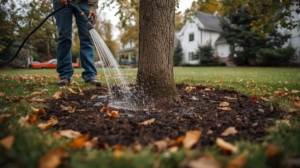
Newly planted trees need water immediately. Water helps settle soil around the roots and reduces transplant stress. University of Minnesota Extension recommends applying water directly over the root zone. The amount needed depends partly on trunk diameter. Do not assume fall rainfall will provide enough moisture. Check the soil regularly.
Newly Planted Trees Need More Water Than Established Trees
A transplanted tree has a limited root system. It cannot yet collect water from as large an area as an established tree. University of Minnesota Extension recommends frequent watering during the first weeks after planting. Frequency can gradually decrease as roots begin establishing.
| Time After Planting | General Watering Guidance |
|---|---|
| First 1–2 weeks | Check moisture frequently and water regularly |
| Weeks 3–12 | Continue consistent watering as roots expand |
| After 12 weeks | Continue monitoring and watering until established |
| Late fall | Water thoroughly before the ground freezes when conditions are dry |
For detailed recommendations, review University of Minnesota Extension guidance for watering newly planted trees and shrubs.
Mulch Helps Newly Planted Trees Prepare for Winter
Mulch can help conserve soil moisture and moderate temperature changes around the roots. It also reduces competition from turf and weeds. Apply a broad layer over the root area. University of Minnesota Extension recommends keeping mulch away from the trunk. Avoid creating a mound against the bark. The finished shape should resemble a wide, shallow ring rather than a volcano.
Should You Fertilize a Newly Planted Tree in Fall?
Do not assume every newly planted tree needs fertilizer. Excess nutrients do not correct poor planting depth, root problems, or inadequate watering. High-nitrogen fertilizer late in the season can also encourage tender new growth. That growth may not harden properly before winter. A soil test can identify actual nutrient problems when they are suspected. Fertilization should address a specific need rather than become an automatic planting step.
Does a Newly Planted Tree Need to Be Staked?
Not every new tree needs staking. Trees benefit from some natural movement because it encourages trunk development. Staking may help when the root ball is unstable, the location is unusually windy, or the tree cannot remain upright on its own. When supports are needed, install them so they do not damage the trunk. Remove them once the tree can remain stable without assistance.
Should You Prune a Tree Immediately After Planting?
Newly planted trees generally do not need extensive pruning simply because they were planted. The tree needs foliage to support root establishment. Remove broken or clearly damaged branches when necessary. Structural pruning can often wait until the tree becomes established. For Minnesota pruning timing, read When Is the Best Time to Trim Trees in Minnesota?.
Can You Transplant an Existing Tree in Fall?
Fall can also be an option for moving some established trees. However, transplanting is more complicated than planting nursery stock. Digging removes part of the existing root system. The larger the tree, the more difficult it becomes to move enough roots with it. Species, size, health, soil conditions, and destination site all affect the likelihood of success.
Large Tree Transplanting May Require a Tree Spade
A tree spade can move a tree with a large soil and root mass. This equipment can make transplanting larger trees possible when manual digging is impractical. University of Minnesota Extension recommends hiring an experienced tree-spade contractor because equipment operation and root-ball sizing affect success. Underground utilities must also be located before large-scale digging begins.
Do Not Move a Tree Just Because It Is in the Wrong Spot
Transplanting does not always make sense. A stressed, diseased, structurally poor, or oversized tree may not be a good candidate. Consider the tree’s condition and future value before moving it. In some situations, planting a new tree may provide a better long-term result. A professional evaluation can help determine whether preserving and relocating an existing tree is practical.
Prepare Transplanted Trees for Winter
A transplanted tree enters winter with a reduced root system. That makes moisture management especially important. Water consistently after transplanting and continue checking soil moisture until freeze-up. Proper mulch can also help protect the root zone. Young, thin-barked trees may need winter trunk protection. Evergreens may require additional protection in exposed locations.
Protect Young Trees From Winter Sunscald
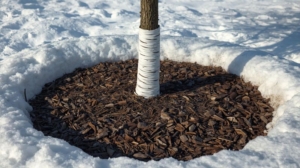
Winter sun can warm bark during the day, followed by rapid cooling after sunset. This temperature swing can damage thin bark. Sunscald often appears on the south or southwest side of young trees. Maples and other thin-barked species can be especially vulnerable. Appropriate tree wrap or other recommended protection may help susceptible trees. Remove seasonal wrap when it is no longer needed.
Protect Young Trees From Rabbits and Rodents
Winter wildlife may feed on young bark when food becomes scarce. Damage around the trunk can seriously affect a young tree. Physical trunk guards can help protect vulnerable trees. Guards should extend high enough to account for expected snow depth. Check protection periodically throughout winter and remove or adjust it as needed.
What Are the Biggest Fall Planting Mistakes?
| Common Mistake | Why It Can Cause Problems |
|---|---|
| Planting too deeply | Can bury the root flare and restrict healthy root development |
| Ignoring circling roots | Can contribute to future girdling problems |
| Waiting too late | Provides less time for root establishment |
| Underwatering | New roots cannot access enough moisture |
| Overwatering | Waterlogged soil can reduce oxygen around roots |
| Mulch against the trunk | Can hold excess moisture against bark |
| Choosing the wrong species | Long-term site conditions may not support healthy growth |
Should You Plant Now or Wait Until Spring?
Fall planting makes sense when there is adequate time before freeze-up, the species is suitable, and the site can be watered properly. Waiting until spring may make more sense when the season is already very late. It may also be preferable for certain species or difficult planting sites. If the soil is frozen, saturated, or otherwise unsuitable, forcing the planting schedule can create more problems than waiting.
Connect Fall Planting to Your Overall Winter Tree Care Plan
A new tree needs more attention before winter than an established tree. Planting depth, moisture, mulch, trunk protection, and root establishment all deserve consideration. For the broader seasonal checklist, read How Should I Prepare My Trees for Winter in Minnesota? A Fall Tree Care Checklist. If existing trees show structural problems before winter, also review How Can I Tell If a Tree Is Dangerous Before Winter?.
Give a Fall-Planted Tree the Best Start Possible
Fall can be an excellent planting opportunity, but timing alone does not determine success. The right tree, location, planting method, and aftercare matter more. Choose a species suited to Minnesota conditions. Plant at the correct depth, address root problems, water consistently, and protect the root zone before winter. Minnesota Tree Experts can help evaluate existing trees and provide professional tree-care recommendations throughout the Twin Cities and surrounding communities. Explore additional tree-care information on the Minnesota Tree Experts website and throughout the tree care blog.
Have questions about a tree on your property or whether an existing tree can be safely moved? Contact Minnesota Tree Experts for professional guidance and tree-care services.

Published October 2026
Authored by Jacqueline McGreevey & Expert Review by Jacob Gall Owner – Arborist