How Minnesota Winters Affect Evergreen Trees
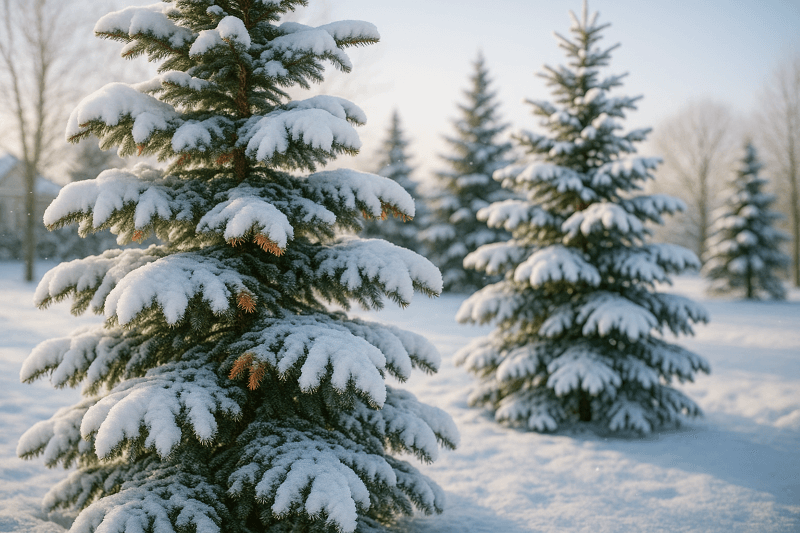
Minnesota evergreen winter care focuses on preventing winter burn, dehydration, and salt damage so your pines, spruces, and arborvitae stay healthy and green. By combining smart watering, mulching, wind protection, and careful pruning, you can help evergreens handle harsh Minnesota winters and come back strong each spring.
If you love the year-round color of conifers in your yard, Minnesota evergreen winter care should be part of your fall checklist. Evergreens keep their needles all winter, so they keep losing moisture even when soil is frozen. With guidance from
Minnesota Tree Experts, you can protect your trees from browning, breakage, and long-term decline.
Why Minnesota Winters Are Tough on Evergreen Trees
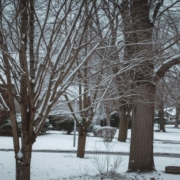
Evergreens are built for cold, but Minnesota’s freeze–thaw patterns push them to the limit. On sunny winter days, needles warm up and lose water to dry air and wind. At the same time, frozen soil keeps roots from replacing that lost moisture. This imbalance leads to winter burn, browning, and sometimes branch death.
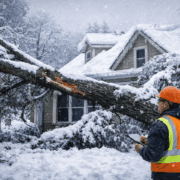
Winter winds make the problem worse, especially on the south and west sides of trees. Road salt spray can burn needles and damage roots along streets and driveways. Heavy, wet snow and ice can also bend or snap branches, especially on arborvitae and columnar evergreens.
University of Minnesota Extension notes that evergreens in exposed sites are especially prone to winter burn and other winter injury. Location, soil, and species choice all influence how much damage you see.
Minnesota Evergreen Winter Care Essentials
Effective Minnesota evergreen winter care starts long before the first heavy snowfall. Focus on moisture, root protection, sun and wind barriers, and smart species selection. Small changes in fall can prevent big losses in spring.
1. Water Evergreens Deeply Until the Ground Freezes
Evergreens need to go into winter fully hydrated. State and university resources recommend watering trees in fall until the top several inches of soil freeze.:contentReference[oaicite:3]{index=3}
Give established trees a slow, deep soak during dry autumn weeks. Focus on the root zone under the canopy, not just near the trunk. The
Minnesota DNR
reminds homeowners that drought-stressed trees suffer more winter damage, especially evergreens with year-round foliage.
Stop watering when the soil stays frozen. Midwinter watering only makes sense during rare warm spells when the ground actually thaws and conditions are very dry.
2. Mulch to Protect Roots and Moderate Soil Temperatures
Mulch acts like a cozy blanket over evergreen roots. A two to four inch layer of wood chips or shredded bark helps insulate the soil, conserve moisture, and reduce freeze–thaw cycles that can heave roots.
University of Minnesota Extension recommends creating a wide mulch ring around trees and shrubs, but keeping mulch a few inches away from the trunk. This “mulch donut” protects roots without rotting bark or inviting rodents. You can read more on their
winter protection guide.
For younger evergreens and shrubs, mulch is especially helpful in exposed sites or near sidewalks and driveways where salt can dry the soil.
3. Use Windbreaks, Burlap Screens, and Shading
When evergreens stand in open, windy locations, they lose moisture faster and develop more brown patches. Burlap screens, temporary fencing, or even snow fencing on the windward side can reduce drying winds and sun exposure.
Penn State Extension highlights burlap screens and temporary shade structures as especially helpful for newly planted evergreens. Their article on
preventing winter burn on evergreen plants
offers step-by-step ideas for simple wind barriers.
In Minnesota, even mature pines and spruces benefit from protection in the first years after planting or after heavy pruning.
4. Consider Anti-Desiccant Sprays for High-Value Plants
Anti-desiccant or anti-transpirant sprays can reduce water loss on broadleaf evergreens and some conifers. Garden centers and arborists often recommend products like Wilt Stop for boxwood, rhododendron, and other sensitive plants.
Many experts suggest applying these sprays on a dry day above freezing in late fall, then reapplying midwinter if needed. The goal is not to “seal” the plant completely, but to slow moisture loss during sunny, windy days.
Always follow the label and local recommendations, and remember that sprays work best when combined with good watering and mulching.
5. Limit Salt Exposure and Choose Sites Carefully
Deicing salt is tough on evergreens. It can burn needles and buds and build up in soil near roads, sidewalks, and driveways. Michigan State University Extension and other university programs recommend avoiding heavy salt use near trees whenever possible, and redirecting salty runoff away from planting beds.
Over time, salt stress can thin evergreen canopies and shorten tree life. If you must plant near roads, choose species with better salt tolerance and use burlap or snow fencing to intercept spray.
For help evaluating planting sites and species, you can schedule a consultation with
Minnesota Tree Experts
to design a more resilient evergreen plan for your property.
Recognizing Winter Burn and Other Evergreen Problems
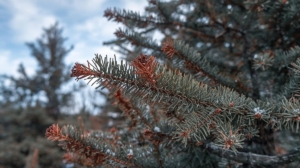
Winter burn usually shows as brown or bleached needles, often on the side facing sun and wind. Damage may appear worst in late winter or early spring, when warming temperatures expose injury that built up all season.
The good news is that buds are often more cold-hardy than needles. Some extension articles recommend waiting until mid-spring to prune, so you can see which buds survived before removing branches.
If branches are brittle, snap easily, and show no green tissue or swelling buds, they are likely dead and should be pruned out. When in doubt, contact
Minnesota Tree Experts
for a professional assessment, especially on large trees near structures.
Real Experience: Evergreen-Adjacent Tree Care Done Right
Minnesota evergreen winter care often starts with managing nearby risk trees. Removing unsafe or declining trees creates more light and space for healthy evergreens to thrive. Here is a recent 5-star Google review from a Minnesota Tree Experts customer:
“Reasonable price Eric and the MTE team did a great job with the removal of a large cotton wood. They were very professional, cleaned up well, and followed through as they promised during estimation process. We will certainly reach out to them on any future needs.”
— Dean, Tree Removal Customer, 5-Star Google Review
That same attention to safety, clean-up, and follow-through guides our evergreen inspections and winter care recommendations. Whether you need pruning, risk assessment, or removal, our team provides expert
tree services
tailored to Minnesota yards.
FAQ: Minnesota Evergreen Winter Care

Why do my evergreens turn brown in winter?
Browning often comes from winter burn. Sun and wind pull moisture from needles while frozen soil blocks root uptake. Over time, tissues dry out and die, especially on exposed sides. Salt, drought, and poor planting sites can make the problem worse.
Should I water my evergreen trees during winter?
Focus on watering in fall, up until the soil freezes. Late fall watering helps trees enter winter fully hydrated. In midwinter, water only during rare warm spells when the ground thaws and soil is clearly dry.
Do all evergreen trees in Minnesota need burlap or wraps?
Not every evergreen needs burlap. Burlap screens help most on newly planted or wind-exposed trees and on sensitive shrubs. Established, well-sited evergreens often do fine with good watering, mulching, and limited salt exposure.
Is it okay to prune evergreens in winter?
Light pruning of dead or damaged branches is usually fine in winter. However, many arborists avoid heavy shaping on evergreens during the coldest months. For major pruning decisions, consult a certified arborist who understands species needs and local conditions.
How can I prevent road salt from damaging my evergreens?
Use sand or less salty de-icers near trees when possible. Redirect salty runoff away from root zones. In exposed areas, consider burlap fences or snow fencing to block salt spray. Choosing salt-tolerant species also helps near busy roads.
Unique Trends in Minnesota Evergreen Winter Care
Minnesota homeowners are rethinking evergreen choices in light of new disease and climate challenges. University of Minnesota Extension now discourages planting Colorado blue spruce due to serious disease issues and instead suggests more resilient species for local landscapes.:contentReference[oaicite:10]{index=10}
Another trend is using evergreens strategically as windbreaks. The Minnesota DNR highlights that tall, well-placed conifers can guide winter winds up and over homes, reducing heating costs while sheltering other plants. Their
energy conservation planting strategies
outline how thoughtful tree placement saves energy year-round.:contentReference[oaicite:11]{index=11}
Finally, more people now schedule annual winter checkups for their trees. They pair fall watering and mulching with professional inspections, pruning, and risk assessments. Working with
Minnesota Tree Experts
ensures that evergreens, deciduous trees, and shrubs all get a coordinated care plan that fits your property.
Need Help Protecting Your Evergreens This Winter?
Minnesota evergreen winter care does not have to feel overwhelming. Focus on deep fall watering, smart mulching, wind and sun protection, and careful salt use. Then let experienced professionals handle complex pruning and risk assessments.
If you would like expert help, explore our full range of
tree services,
or reach out through our
contact page
to schedule a visit. The team at
Minnesota Tree Experts
is ready to help your evergreens stay healthy, beautiful, and resilient through every Minnesota winter.