Spring Tree Landscaping Prep: Pruning, Mulching & Tree Health in One Plan
Summary: Spring Tree Landscaping Prep gives you a clear plan to wake your trees up after winter. By inspecting damage, pruning safely, refreshing mulch, checking soil moisture, and planning new plantings, you set up your Minnesota landscape for healthy growth and fewer problems all season.
When the snow finally pulls back from your lawn, Spring Tree Landscaping Prep helps you move from “winter mess” to a healthy, intentional yard. A little structure now saves you from surprise hazards, stressed trees, and costly emergency calls later. With guidance from
Minnesota Tree Experts, you can turn spring cleanup into a simple, repeatable tree care plan.
Why Spring Tree Landscaping Prep Matters for Minnesota Yards
Spring is when your trees shift from dormancy to new growth. Buds swell, roots start pulling more water, and hidden winter damage becomes obvious. It is also the best time to see branch structure before leaves return.
A national spring gardening checklist from AP News highlights three early priorities: prune most trees before leaf-out, assess winter damage, and prepare planting areas. It also notes that spring bloomers should be pruned after they flower, not before.
See the full checklist
here.
University of Minnesota Extension also emphasizes that pruning in the late dormant season is ideal for many trees and shrubs, because structure is visible and disease risk is lower.
Their guide on
pruning trees and shrubs
explains how good cuts improve health and safety.
Core Steps in Spring Tree Landscaping Prep
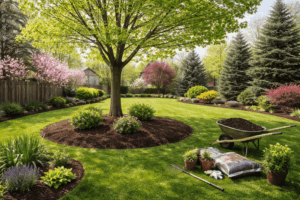
A solid spring routine usually follows this order: inspect, clean up, prune, mulch, water, then plan new plantings. Each step builds on the last.
1. Inspect Trees for Winter Damage and Safety Issues
Walk your yard slowly before you grab tools. Look for snapped branches, hanging limbs, fresh cracks, and new leans toward the house, driveway, or play areas.
AP’s spring chores article suggests removing broken and dangling branches first for safety, and calling an arborist for anything above your head. That aligns with what we see every year in Minnesota.
If you spot serious damage, reach out through the
Minnesota Tree Experts contact page
for a professional assessment.
2. Clean Up Around the Base of Each Tree
Remove small fallen limbs, leaf piles, and winter debris from around trunks. Clear away old, crusted mulch so you can see the root flare and soil surface.
University of Minnesota’s guidance on
watering and mulching established trees
recommends keeping grass and weeds away from the trunk and maintaining a clean mulch zone. That clean ring makes every other step easier.
3. Prune for Safety, Structure, and Future Health
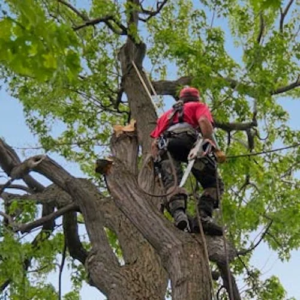
Spring Tree Landscaping Prep always includes a pruning strategy, but not all trees should be pruned the same way or at the same time. In general, focus on removing dead, damaged, or diseased branches first. Then look for crossing branches and structurally weak limbs.
Iowa State University notes that late winter and early spring are ideal for pruning most woody plants, with an emphasis on damaged and structurally weak branches. Their
spring garden tasks guide
outlines a simple order: remove dead wood, remove rubbing branches, then improve appearance.
Some Minnesota species need special timing. Oaks should not be pruned during the oak wilt risk period. Certain spring-flowering trees should be pruned after they bloom, or you will lose flowers. When in doubt, ask the arborists at
Minnesota Tree Experts
before you cut.
4. Refresh Mulch Correctly
Once the base is cleaned and pruning is complete, refresh mulch around each tree. Mulch helps regulate soil temperature, conserve moisture, and reduce weed competition.
- Use wood chips or other organic mulch.
- Maintain a two to four inch layer over the root zone.
- Keep mulch a few inches away from the trunk to avoid rot and pests.
University of Minnesota Extension recommends starting mulch 12–18 inches from the trunk and extending a three inch layer out toward the canopy. That advice appears in their
established trees watering and mulching guide.
5. Check Soil Moisture and Build a Spring Watering Plan
Spring can bring both soggy weeks and dry, windy spells. After the ground thaws, check moisture a few inches below the surface. Water when soil feels dry but not rock hard.
For newly planted trees, University of Minnesota and Illinois Extension both stress consistent watering during the establishment period. UMN’s
watering newly planted trees
page and Illinois Extension’s
new tree care infosheet
recommend slow, deep watering and expanding the watered area as roots spread.
For established trees, Illinois Extension’s tree maintenance schedule suggests checking soil moisture weekly from spring until the soil freezes, then watering deeply when conditions are dry.
6. Plan New Plantings and Long-Term Tree Health
Spring is also prime time to plan new trees or replace those lost to storms or disease. Choose species that fit Minnesota’s climate, your soil type, and the space you actually have.
University of Minnesota’s
trees and shrubs for Minnesota landscapes
guide lists hardy options and discusses matching species to site conditions. Use these recommendations along with a site walk from
Minnesota Tree Experts
to plan plantings that will thrive and require less emergency work later.
Spring Tree Landscaping Prep for Different Tree Types
Not every tree needs the same spring routine. Here is how to adapt your prep to common Minnesota species.
Shade Trees: Maples, Lindens, and Elms
For large shade trees, focus first on safety and structure. Look for long, heavy limbs over roofs and driveways. Identify crossing branches and narrow crotches that can fail in wind.
Some maples “bleed” sap when pruned early in spring. That usually does not harm the tree, but it can be surprising. If you want to limit sap flow, ask an arborist about better timing for major cuts.
Oaks
With oaks, timing is critical because of oak wilt. Many experts recommend pruning only during cold months when beetle activity is low. In early spring, focus on inspection, mulch, and planning, then schedule corrective pruning in the next safe window.
Evergreens
For spruce, pine, and arborvitae, inspect after snow melt for bent branches, broken tops, and winter burn. Light shaping and removal of dead tips often wait until later in spring when new growth helps guide cuts.
Strong mulch rings and careful spring watering are especially helpful for evergreens recovering from winter stress.
Young and Newly Planted Trees
Young trees benefit most from thoughtful Spring Tree Landscaping Prep. Correcting poor structure early prevents bigger, riskier cuts later.
Iowa State’s tree care resources explain that pruning during formative years helps prevent many future problems. Combine that with consistent watering and proper mulching, and you give new trees a strong start.
Real Results: Spring Work with Minnesota Tree Experts
Spring is a popular time for removals, pruning, and long-delayed projects. Here is a recent 5-star Google review from a Minnesota Tree Experts customer:
“Fast and great service. Eric was easy to contact and we got answers to our questions right away. Very reasonable pricing. We had two elm trees full of a disease dropped today and it was completed under 30 mins. The cleanup was excellent they all paid attention to the yard and what was around. No damage. This group got to work right away and did not mess around. Great crew! Overall I’d recommend Eric and his team with MN Tree Experts and I’d use this team again for future jobs. Thank you for making our three year want come true!”
— Audrey R., 5-Star Google Review
That same mix of clear communication, efficient work, and careful clean-up shapes our spring services. Whether you need pruning, removals, or a full Spring Tree Landscaping Prep walkthrough, our
tree services
can be tailored to your yard.
FAQ: Spring Tree Landscaping Prep

When should I start Spring Tree Landscaping Prep?
Start planning in late winter and begin outside work once snow recedes and the ground starts to thaw. Try to inspect and schedule pruning before most trees leaf out so structure and winter damage are easier to see.
What should I do first when getting my trees ready for spring?
Begin with a safety and health inspection. Look for broken branches, cracks, and leaning trees. Then clean up debris around trunks, refresh mulch correctly, and schedule pruning or removals with a certified arborist if needed.
Is spring a good time to prune trees?
Late winter and early spring are good times to prune many trees while they are still dormant. However, avoid pruning certain species, like oaks during oak wilt season and some spring bloomers before flowering. When in doubt, ask a professional for species-specific guidance.
How much mulch should I use around my trees in spring?
Use a two to four inch layer of organic mulch over the root zone, keeping it a few inches away from the trunk. Extend mulch out toward the canopy to reduce weeds, protect roots, and improve moisture retention.
When should I call an arborist instead of doing spring tree work myself?
Call an arborist whenever work involves large trees, tall ladders, heavy pruning, or branches near structures or power lines. You should also call if you see significant cracks, root upheaval, or signs of serious pests or disease.
Ready to Turn Spring Prep into a Simple Tree Health Plan?
Spring Tree Landscaping Prep is your yearly chance to reset tree health, safety, and curb appeal in one plan. When you combine careful inspection, smart pruning, proper mulching, and thoughtful watering, your trees reward you with strong growth and fewer emergencies.
If you want expert eyes on your trees this spring, the certified arborists at
Minnesota Tree Experts
are ready to help. Explore our full range of
tree services,
then use our
contact page
to schedule your spring visit. Together, we can turn winter’s leftovers into a healthier, safer landscape for the season ahead.

Published: February 2026
Author: Jacqueline McGreevey