Can My Storm-Damaged Tree Be Saved or Should It Be Removed?

Summary: storm damaged tree removal may be necessary when a tree has a split trunk, major root failure, severe lean, or large broken limbs near people or property. In many cases, however, a storm-damaged tree can still be saved with careful pruning, monitoring, and professional evaluation. The key is knowing which signs point to recovery and which signs point to removal.
After severe weather, storm damaged tree removal is one of the first concerns many homeowners face. A tree may look rough after wind, hail, or heavy rain, but appearance alone does not always tell the full story. Some trees recover well with proper care, while others become long-term hazards. At
Minnesota Tree Experts,
we help homeowners understand when a tree is worth saving and when removal is the safer choice.
Why Storm Damage Needs Careful Evaluation
Trees often suffer hidden damage during storms. Broken limbs are obvious, but trunk cracks, root failure, and internal stress are not always easy to see from the ground. That is why homeowners should slow down, look carefully, and avoid rushing into unsafe cleanup.
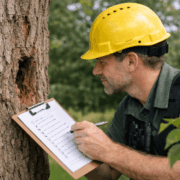
A tree that lost a few branches may still recover well. A tree with a split trunk or lifted root plate is different. The safest approach is to evaluate the crown, trunk, roots, and location before making a final decision.
If the tree stands near a home, garage, driveway, patio, or power line, the risk is higher. In that case, professional help is the smart next step. You can learn more about removal options on our
Tree Removal page
or contact us through our
contact page.
Storm Damaged Tree Removal: Signs the Tree Should Come Down

Some storm-damaged trees are simply too compromised to keep safely. The following warning signs often point toward removal rather than recovery:
- A fresh trunk split or major crack.
- A severe new lean after the storm.
- Roots lifting from the soil or exposed root plate failure.
- More than half of the crown lost or destroyed.
- Large hanging limbs over people, vehicles, or structures.
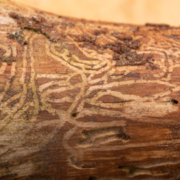
- A tree already weakened by disease, decay, or insect damage.
Trees in these conditions often become unsafe even if they remain standing for a while. What looks stable today may fail in the next wind event. In those cases, prompt removal can protect your home and prevent more expensive damage later.
When a Storm-Damaged Tree May Be Saved
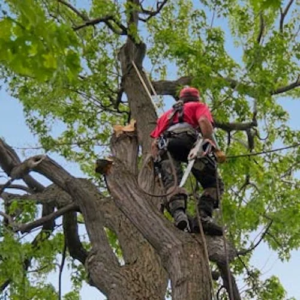
Not every storm-damaged tree needs to be removed. Some can recover very well when damage is limited and the main structure remains sound.
A tree may be a candidate for saving when:
- The trunk is intact with no major split.
- The roots are stable and the tree remains upright.
- Only a few limbs are broken.
- The remaining canopy is balanced and healthy.
- The tree had good health before the storm.
In these cases, selective pruning, cleanup, and follow-up monitoring may be enough. Mature trees often look worse than they really are right after a storm. A careful inspection can keep you from removing a tree that still has many healthy years ahead.
Quick Guide: Save It or Remove It?
| Condition | More Likely Save | More Likely Remove |
|---|---|---|
| Broken limbs | Small to moderate limb loss | Large limbs hanging over targets |
| Trunk condition | No major crack or split | Fresh split trunk or deep crack |
| Roots | Stable, no soil lifting | Root plate lifted or soil heaving |
| Lean | Long-standing minor lean | Sudden new lean after storm |
| Canopy loss | Limited branch loss | More than 50% crown loss |
| Overall health | Healthy before storm | Already declining, dead, or diseased |
Helpful Homeowner Tips After a Storm
Homeowners often want to act fast, but storm cleanup is safer when you start with the right priorities.
- Stay away from downed wires and call the utility company or 911 if needed.
- Do not stand under hanging limbs.
- Take photos from a safe distance for insurance records.
- Do not use a ladder and chainsaw on damaged trees.
- Do not assume every broken tree must be removed immediately.
One of the most helpful things a homeowner can do is separate appearance from structural danger. A tree with torn branches may survive. A tree with hidden root failure may not. That is why a professional evaluation is often the most cost-effective decision, not just the safest one.
Unique Advice for Homeowners: Saving vs. Removal
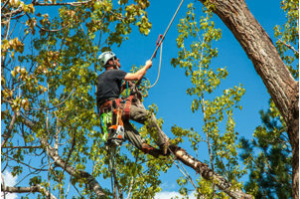
Homeowners often ask whether trying to save a storm-damaged tree is worth it. The answer depends on more than the amount of damage. It also depends on the tree’s location, species, age, prior health, and future risk.
Saving a tree makes sense when the tree still has a strong trunk, sound roots, and a healthy future canopy. Removal makes more sense when the tree was already stressed, already declining, or now poses an ongoing hazard near structures or family spaces.
Another practical point is cost over time. Sometimes saving a tree with major structural damage leads to repeat pruning, extra monitoring, and future emergency work. In those cases, removal may be the better long-term investment.
If you are unsure what is best, our
Services Page
can help you explore removal, pruning, and storm-response options in one place.
Customer Experience with Minnesota Tree Experts
After storm damage, homeowners need fast scheduling, clear communication, and a crew that respects the property. Here is a recent 5-star Google review from a Minnesota Tree Experts customer:
“Eric and crew did a great job removing few trees from our backyard. Eric kept me up to date on their schedule. Cleaned up all the debris. Reasonable rates. I would use this company again if needed.!”
— Sebastian, 5-Star Google Review
That kind of feedback reflects what matters most after a storm: safe work, good communication, and a clean yard when the job is done.
FAQ: storm damaged tree removal
Can a storm-damaged tree be saved?
Yes, some can. Trees with limited limb damage, stable roots, and no major trunk split may recover well with careful pruning and monitoring.
When should a storm-damaged tree be removed?
Removal is often the safest choice when the tree has a split trunk, uprooted roots, severe lean, large hanging limbs, or major canopy loss near people or property.
Is a leaning tree always dangerous after a storm?
Not always. A long-standing lean may be normal. A sudden new lean with soil lifting or exposed roots is much more serious and should be inspected quickly.
Can I clean up a storm-damaged tree myself?
Small branches on the ground may be manageable. Trees with hanging limbs, cracked trunks, or damaged roots are much more dangerous and should be handled by trained professionals.
Should I wait before deciding to remove a damaged tree?
If the tree is not an immediate hazard, sometimes yes. A short waiting period can help reveal what is actually alive and what will recover. If there is any risk to people or structures, get it evaluated right away.
Need Help Deciding Whether to Save or Remove a Storm-Damaged Tree?
The safest answer is not always obvious from the ground. If you are dealing with broken limbs, a sudden lean, root failure, or a tree near your home, Minnesota Tree Experts is ready to help.
Visit our
Home page,
review our
Tree Removal page,
explore our
Services Page,
or reach out through our
contact page.
We can help you understand whether your storm-damaged tree is worth saving or safer to remove.

Published: July 2026