Golf Course Tree Management: A Guide to Maintenance, Safety & Storm Preparedness
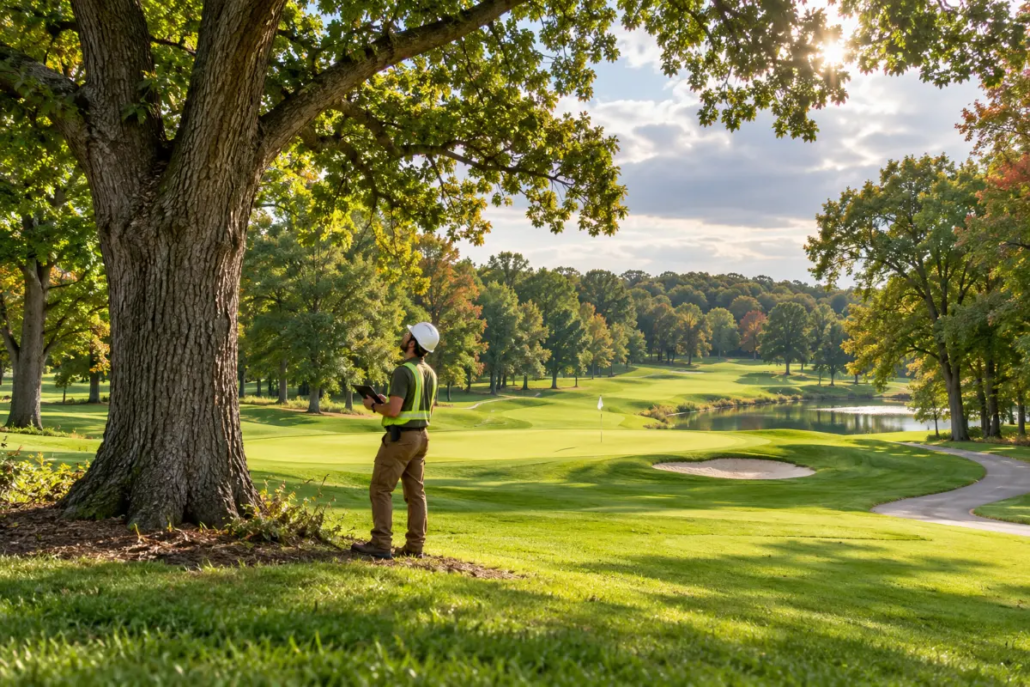
Golf course tree management combines routine inspections, pruning, tree health care, and storm preparedness. A thoughtful plan helps course managers identify concerns, prioritize maintenance, and protect valuable trees. It also supports safer access for golfers, employees, and visitors. Trees bring shade, character, and natural beauty to a golf course. They can also influence play, turf conditions, maintenance, and the experience of everyone on the property. However, mature trees need ongoing attention. A damaged limb near a cart path or a declining tree beside a green can create concerns for course management. A tree management plan helps superintendents address those concerns while caring for the trees that make their courses distinctive.
What Is Golf Course Tree Management?
Golf course tree management is the process of evaluating, maintaining, and planning for trees throughout a course. It considers tree health, structural concerns, course operations, and long-term landscape goals. A practical plan may include:
- Regular observations and professional tree assessments.
- Pruning dead, damaged, or structurally weak branches.
- Monitoring trees for disease, pests, and declining health.
- Removing trees that pose an unacceptable risk or interfere with approved course improvements.
- Preparing for storms and organizing a response plan.
- Planning future tree care and replacement needs.
Every course is different. Tree species, age, soil conditions, course design, and available resources all influence the right approach.
Why Is Tree Management Important for Golf Courses?
Golf courses often contain hundreds of trees across large, frequently used properties. These trees stand near fairways, greens, tees, cart paths, parking areas, and buildings. Routine attention helps staff spot changes before they become larger concerns. It also gives course managers a way to prioritize work and plan around budgets and events. Professional tree care can support several goals:
- Tree health: Identify signs of stress, pests, or disease and consider appropriate care.
- Safety: Address visible defects and reduce exposure to potential hazards.
- Course operations: Coordinate work around play, maintenance, and scheduled events.
- Long-term planning: Prioritize immediate needs and anticipate future work.
- Course appearance: Maintain trees that contribute to the property’s character.
No inspection or maintenance plan can eliminate every tree-related risk. However, regular attention can help course managers make better-informed decisions.
Start With a Golf Course Tree Assessment
A tree assessment provides a starting point for maintenance decisions. An arborist or qualified tree care professional can evaluate concerns and recommend next steps. During an assessment, the team may consider:
- Tree species, size, and overall condition.
- Dead branches, cracks, cavities, and visible decay.
- Root problems, soil conditions, and signs of recent movement.
- Evidence of disease or pest activity.
- Proximity to golfers, employees, buildings, and high-use areas.
- Access for equipment and potential effects on course features.
Start with frequently used areas, including clubhouse grounds, parking lots, cart paths, and gathering spaces. Then review trees throughout the playing areas and less frequently visited parts of the property. The International Society of Arboriculture provides additional guidance on recognizing and managing tree risk.
What Tree Maintenance Does a Golf Course Need?
Golf courses benefit from a maintenance plan suited to their trees, course design, and operating schedule. The services needed will vary by property.
Tree Pruning and Deadwood Removal
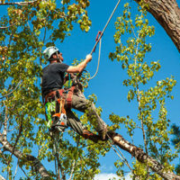
Pruning can remove dead or damaged branches and address certain structural concerns. It can also provide clearance where branches interfere with course operations. Pruning decisions should account for the tree’s species and condition. Poor pruning can damage trees, so large or difficult work should be handled by qualified professionals. Timing matters for Minnesota oaks. Before pruning or wounding an oak, consult the University of Minnesota Extension’s oak wilt guidance for current risk information.
Tree Health and Disease Monitoring
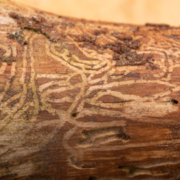
Changes in leaves, branches, bark, or canopy density may indicate a tree health problem. However, similar symptoms can have different causes. A professional diagnosis helps determine whether disease, insects, environmental stress, or another issue may be involved. Depending on the findings, options may include monitoring, treatment, pruning, or removal.
Tree Removal and Stump Grinding
Some trees may require removal because of serious damage, declining condition, or course improvement plans. When appropriate, stump grinding can also be discussed as part of the project. Before work begins, identify access routes and sensitive areas with the tree care team. Discuss irrigation, turf, cart paths, debris handling, and cleanup expectations.
Tree Preservation and Structural Support
Some trees with structural concerns may be candidates for preservation. Depending on the condition, an arborist may recommend pruning, monitoring, or cabling and bracing. These options are not suitable for every tree. A professional assessment helps determine whether preservation is reasonable and what limitations may apply.
How Can Golf Courses Identify Potential Tree Hazards?
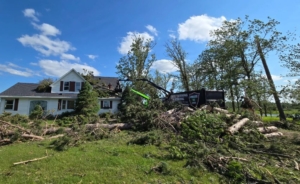
Course staff can watch for visible changes during regular rounds and maintenance. Report concerns promptly and keep people away from areas that may be unsafe.
Warning signs may include:
- Large dead or hanging branches.
- Cracks or splits in the trunk or major limbs.
- A new or worsening lean.
- Raised soil or exposed, damaged roots.
- Fungal growth near the trunk or roots.
- Significant canopy dieback.
- Branches or trees damaged by recent storms.
These signs do not automatically mean a tree must be removed. A qualified professional can evaluate the concern and discuss suitable options.
How Should a Golf Course Prepare for Storm Damage?
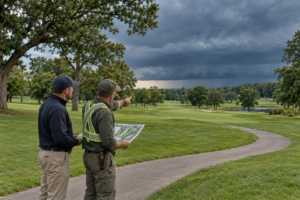
A storm preparedness plan helps course staff know whom to contact and what to do when severe weather damages trees. Planning ahead can make the first decisions after a storm more manageable.
- Identify priority areas. Note entrances, access roads, clubhouses, cart paths, and other heavily used locations.
- Keep contacts accessible. Include course leadership, utility providers, emergency services, and tree care professionals.
- Plan for closures. Establish how staff will restrict access to damaged areas.
- Document concerns. Keep records of known tree issues and previous work.
- Discuss debris handling. Consider access routes and possible staging areas with your tree care provider.
- Review the plan. Update contacts and priorities as course conditions change.
After a storm, stay away from hanging limbs, unstable trees, and downed power lines. Keep others out of affected areas and contact the utility company and emergency services as appropriate. Leave storm-damaged tree work to trained professionals.
What Should Happen After a Storm?
Once conditions are safe, course management can work with tree professionals to assess the damage and establish priorities. The immediate focus may include access routes and areas where damaged trees threaten people or property. Next, the team can evaluate which trees may recover and which need pruning or removal. Cleanup and debris handling should reflect the course’s operational needs and site conditions. Minnesota Tree Experts has experience with large-scale golf course storm recovery. Our crews have traveled out of state following hurricanes, tornadoes, ice storms, and wind storms. For example, our team assisted with cleanup at The Woodlands Country Club in Texas following Hurricane Beryl. Visit our golf course tree services page to learn more about our experience.
When Should Golf Courses Schedule Tree Work?
Tree work can often be planned around course activity, seasonal conditions, and the type of work needed. However, urgent concerns should be addressed when they arise.
| Planning period | Tree care priorities |
|---|---|
| Before the playing season | Review winter damage, access areas, and visible tree concerns. |
| During the playing season | Monitor changes, report damage, and coordinate necessary work around course activity. |
| Fall and offseason | Review maintenance priorities and discuss suitable timing for planned pruning or removals. |
| After severe weather | Restrict access to damaged areas and arrange a professional assessment when conditions are safe. |
Species, weather, course conditions, and the urgency of the work all affect scheduling. Your tree care professional can help determine appropriate timing.
How Can Golf Course Managers Plan and Prioritize Tree Work?
A course-wide plan can help management address immediate concerns while preparing for future maintenance. Begin by documenting observations and arranging professional evaluations where needed. Then, discuss priorities with your tree care provider. Consider the tree’s condition, its location, nearby activity, course operations, and available budget. Some work may need prompt attention, while other projects can be scheduled in phases. Keep records of completed work and revisit the plan as conditions change.
Frequently Asked Questions About Golf Course Tree Management

How often should golf course trees be inspected?
Course staff should observe trees regularly and report changes as they appear. The frequency of professional assessments depends on tree condition, location, and property needs. An arborist can help recommend an appropriate schedule.
Can tree work be scheduled around golf course operations?
Many planned projects can be coordinated around course activity and maintenance schedules. Discuss access, work areas, events, and timing with your tree care provider. Urgent hazards may require more immediate action.
Does a damaged golf course tree always need to be removed?
No. Some damaged trees may be candidates for pruning, monitoring, or other care. A professional assessment can help determine whether the tree can reasonably remain or whether removal is appropriate.
Can tree maintenance prevent all storm damage?
No tree can be guaranteed to withstand every storm. Appropriate pruning and attention to structural concerns may reduce some risks, but severe weather can damage healthy trees too.
Does Minnesota Tree Experts travel out of state for golf course storm cleanup?
Yes. Minnesota Tree Experts has traveled out of state to assist golf courses after major storms. Contact the team to discuss the location, damage, and project needs.
Build a Plan for Your Golf Course Trees
Your course’s trees are an important part of the landscape and the playing experience. A thoughtful approach to maintenance, safety, and storm preparedness can help you care for them with confidence. Minnesota Tree Experts works with golf courses on tree care and provides out-of-state assistance following major storm damage. Contact our team to discuss your property and request an assessment.
Call 763-560-9616 for tree service or 1-800-721-1039 for storm damage assistance.
For more tree care information, visit the Minnesota Tree Experts blog.

Published November 2026
Authored by Jacqueline McGreevey & Expert Review by Jacob Gall Owner – Arborist