Protect Mature Trees and Shrubs This Winter
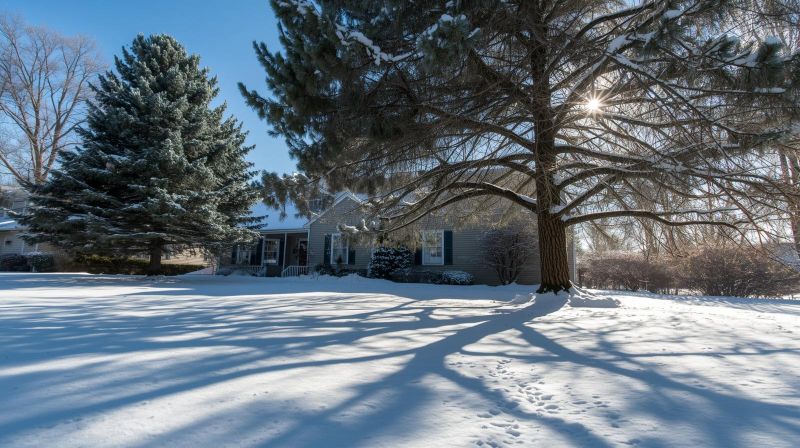
Summary: Winter Protection for Mature Trees and Shrubs matters more than ever in Minnesota. Deep cold, drying winds, and freeze–thaw swings can damage bark, roots, and branches. With the right combination of watering, mulching, wrapping, and pruning, you can help your established trees and shrubs survive winter and leaf out strong next spring.
Minnesota winters ask a lot from your landscape. Winter Protection for Mature Trees and Shrubs helps prevent bark injury, root damage, and broken branches during months of snow and ice. In this guide, Minnesota Tree Experts shares practical steps, current trends, and expert tips tailored to our Twin Cities climate.
Why Mature Trees and Shrubs Need Extra Winter Attention
Mature trees often look tough, yet winter stress adds up over time. Repeated freeze–thaw cycles can cause frost cracks and sunscald on trunks, especially on the south and southwest sides.
Long, dry cold spells can dehydrate roots and evergreen foliage. University of Minnesota Extension notes that keeping trees well watered until the soil freezes helps them enter dormancy in better condition, which reduces winter injury.
Road salt, harsh winds, and heavy, wet snow create additional strain. Mature trees may have old wounds, included bark, or structural weaknesses that fail under winter load. A mid-to-late fall inspection by a certified arborist can identify these risks before the snow flies.
Practical Winter Protection for Mature Trees and Shrubs
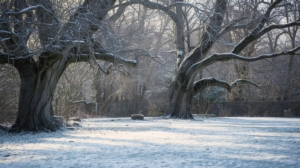
A few well-timed steps in fall and early winter can protect decades of growth. Many recommendations from university extensions and tree care organizations focus on four key areas: water, roots, bark, and branches.
1. Water Deeply Before the Ground Freezes
Mature trees still need moisture in late fall. Water during dry autumn periods until the top several inches of soil freeze. Proper soil moisture helps roots resist cold injury and reduces winter dieback, especially on evergreens.
Focus on slow, deep watering in the root zone beneath the dripline, not against the trunk. Avoid overwatering low spots where water can pool and freeze.
2. Mulch to Protect Roots and Soil Structure
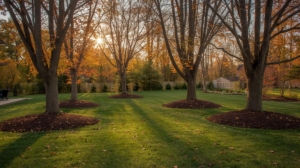
Mulch acts like an insulating blanket. The Arbor Day Foundation highlights mulch as essential because it buffers soil temperatures and retains moisture around roots.
- Apply 2–4 inches of wood chips or shredded bark around the base.
- Extend mulch out several feet, especially for shallow-rooted species.
- Keep mulch a few inches away from the trunk to prevent rot and rodent damage.
In Minnesota, mulching also reduces frost heaving that can disturb the root zone in exposed sites.
3. Wrap Vulnerable Trunks to Prevent Sunscald and Frost Cracks
Thin-barked and dark-barked species such as maples, lindens, and fruit trees are prone to sunscald. University of Minnesota Extension and other experts recommend white tree wrap or plastic guards to keep bark temperatures more stable.
- Install wrap in late fall from the base up to the lowest branches.
- Use white or light-colored material to reflect winter sun.
- Remove wraps in spring after the last hard frost.
Mature trunks may not need wrapping every year, but high-value or previously damaged trees often benefit from ongoing protection.
4. Protect Evergreens from Winter Burn and Salt Damage
Evergreens keep their needles all winter, so they lose moisture even when the ground is frozen. Some horticulture educators suggest erecting burlap screens on the windward side of exposed evergreens to reduce drying winds and salt spray.
Where road salt is unavoidable, University of Minnesota resources advise avoiding salt-sensitive plants near treated roads and using barriers to intercept salt spray.
- Rinse needles during warm winter thaws if salt buildup is visible.
- Use sand or alternative de-icers near valuable trees when possible.
5. Prune and Support Compromised Branches Before Storm Season
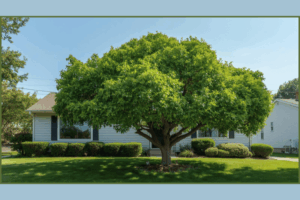
Structural pruning on mature trees is best handled by a professional arborist. Proper cuts reduce the risk of winter branch failure without creating new wounds at the wrong time.
Large codominant stems or heavy limbs over homes may need cabling or bracing. University-based guides stress that support systems should be designed and installed by trained professionals to avoid further damage.
If you suspect serious weakness in a mature tree, schedule an inspection through the tree services offered by Minnesota Tree Experts before deep winter arrives.
How Changing Winter Patterns Affect Mature Trees
Winters in Minnesota are not as predictable as they once were. Researchers have linked some recent deep freezes and “weather whiplash” events to disruptions in the polar vortex and broader climate change patterns.
These swings create quick thaws followed by sharp temperature drops. That pattern increases the risk of frost cracks, sunscald, and root injury for older trees that already carry decades of stress.
Because of these shifts, winter preparation now focuses less on “average” conditions and more on extremes. Mature trees that receive regular structural pruning, mulching, and monitoring tend to handle these extremes much better.
Real-World Results: Minnesota Tree Experts Customer Review
Mature trees demand careful planning and safe techniques, especially near homes and landscapes. Here is a recent 5-star Google review from a Minnesota Tree Experts client:
“Minnesota Tree Experts did a superb job removing 4 infected ash trees. Two very large trees were in close proximity to our house and required skill to dismantle and avoid damage to the house & landscape.
Their crew did initial clean up and the job was complete in under 5 hours. Because of the deep snow, they said they would return to do the final cleanup when the conditions are right, so the emerging spring lawn would not be disturbed. Dave quoted us a fair price and a prompt schedule.”— Shade Tree, 5-Star Google Review
The same care and attention apply when we evaluate mature trees and shrubs for winter protection. Our certified arborists combine on-site assessments with up-to-date best practices from universities and research organizations.
FAQ: Winter Protection for Mature Trees and Shrubs

How do I know if my mature trees need winter protection?
Most mature trees benefit from at least basic winter care. If you see past frost cracks, sunscald, or heavy limb dieback, extra protection becomes even more important. An arborist can evaluate structure, site conditions, and past damage.
Do I still need to water established trees in late fall?
Yes, if the season is dry. Extension resources emphasize watering trees and shrubs until the soil freezes, especially in drought years. Moist soil holds heat better and helps roots resist winter injury.
Should I wrap the trunks of older trees?
It depends on the species and exposure. Thin-barked trees in sunny, open locations are more vulnerable to sunscald and may benefit from seasonal trunk wrap. For thicker-barked species, ongoing mulching and structural care often offer enough protection.
How can I protect mature shrubs from heavy snow and ice?
Gently brush off heavy snow with a broom, lifting upward to avoid breaking branches. Avoid knocking or kicking ice, which can cause more damage. In very exposed areas, some gardeners use breathable shrub wraps or temporary frames to buffer wind and snow load.
When should I call a professional arborist?
Call an arborist if you see large dead limbs, cavities, major lean, or branches over structures. You should also call if a tree has a history of storm damage. A professional can create a winter protection plan that includes pruning, cabling, and monitoring for disease or insect issues.
Unique Considerations for Winter Protection in Minnesota Landscapes
Minnesota landscapes include many older maples, ash, oaks, and ornamental shrubs planted decades ago. These veteran plants often anchor entire yards and neighborhoods. Their age makes proactive winter planning especially important.
Recent gardening articles and conservation groups encourage property owners to treat trees as long-term investments rather than background scenery. They highlight that preventative winter care usually costs less than removing a failed mature tree and re-establishing shade.
Another emerging trend is combining winter protection with habitat goals. Leaving some leaf litter in planting beds, using natural mulches, and choosing less salt-intensive de-icing strategies can help both trees and local wildlife.
Finally, more homeowners now schedule winter tree assessments as part of their annual home maintenance checklist. Partnering with a trusted local company like Minnesota Tree Experts ensures that pruning, cabling, and removals happen safely and strategically rather than reactively after a storm.
Ready to Protect Your Mature Trees and Shrubs?
If you are unsure where to start, our certified arborists can help. We evaluate tree health, site conditions, and structural risks, then recommend practical Winter Protection for Mature Trees and Shrubs tailored to your property.
Explore our full range of tree care services, or contact Minnesota Tree Experts today to schedule an inspection before the next deep freeze. Protect your mature trees now so they can shade, shelter, and beautify your home for decades to come.

Published: December 2025
Author: Jacqueline McGreevey