Why Snow Load & Ice Buildup Damage Trees: Winter Survival Tips
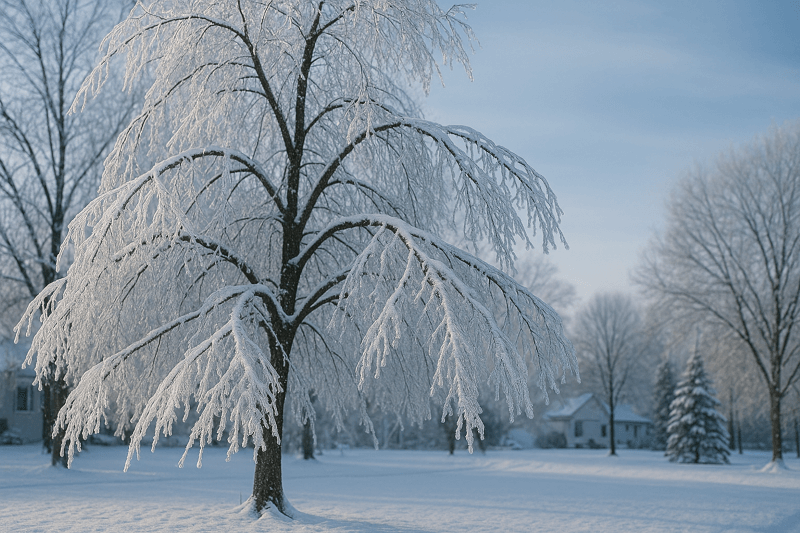
Minnesota winter tree damage often happens when heavy snow and ice overload weak branches, split trunks, and weaken root systems. By understanding how snow load and ice buildup affect trees, you can prevent costly failures, protect your property, and know when to call a professional arborist.
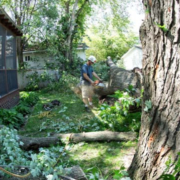
Homeowners see Minnesota winter tree damage in many forms: broken limbs, leaning trunks, and toppled trees after heavy snow or ice.
When storms hit, it helps to know what is normal stress and what is a real hazard. The team at
Minnesota Tree Experts works with these issues every winter and can help you prepare before the next big storm.
Understanding Minnesota Winter Tree Damage
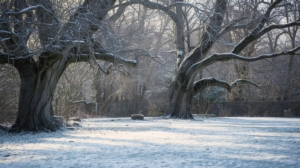
Winter damage happens when cold, wind, snow, and ice combine with hidden structural problems. Trees with multiple leaders, narrow branch angles, or old wounds are more likely to fail. University of Minnesota Extension notes that heavy snow and ice can bend or break branches, especially on upright evergreens and clump-form trees. You can read more in their
winter cold damage article.
Wind adds side pressure while snow and ice add weight from above. When storms arrive after drought or fall flooding, roots may also be stressed. That combination makes failures more likely around homes, driveways, and power lines.
Regular inspections and pruning reduce risk. The
University of Minnesota pruning guide
recommends removing weak or narrow-angled branches that hang over buildings and sidewalks. Those cuts help trees handle winter loads more safely.
How Snow Load and Ice Buildup Damage Trees
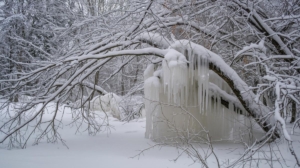
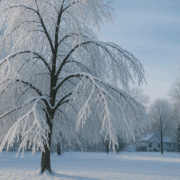
Snow and ice add surprising weight to branches. Illinois Extension calls snow and ice “loading forces” that can overwhelm limbs and cause serious breaks. Their article,
“The weight of winter: Snow and ice on trees,”
explains how frozen precipitation bends branches and sometimes brings entire trees down.
Which Trees Are Most Vulnerable to Snow Load?
Trees with several main stems, upright habits, or tight V-shaped branch angles tend to hold more snow. University of Minnesota Extension points out that clump birch, upright evergreens, and trees with included bark are especially vulnerable to heavy snow and ice. You can find these details in their
cold damage guide.
Dense evergreens and multi-stemmed ornamentals trap snow in their crowns. Deciduous trees with poor pruning history or large, overextended limbs also face higher risk when ice coats every twig.
Why You Should Not Knock Ice Off Branches
It feels natural to help a sagging branch by shaking off ice. However, many experts warn against this. Better Homes & Gardens notes that ice removal often snaps fragile branches, causing more damage than if you let the ice melt naturally. Their winter garden guidance appears in
this winter gardening mistakes article.
Snow is different. You can gently push light, fluffy snow upward with a broom if branches are bending but not broken. Always move slowly from the bottom up and avoid jerking motions.
Hidden Damage from Ice Buildup
Some damage is not obvious right away. USDA Forest Service research shows that ice loading often breaks upper branches and can snap main stems, leaving hidden cracks and decay entry points in crowns. Over time, those injuries may weaken trunks closer to the base. A technical summary appears in their ice storm impact review,
available here as a PDF.
Winter injuries also stress a tree’s defense system. The Texas A&M Forest Service explains that trees heavily damaged by ice storms divert energy to repair, which leaves them more vulnerable to insects and disease later. You can explore that topic in their
ice-damaged pines article.
Preventing Minnesota Winter Tree Damage Before Storms
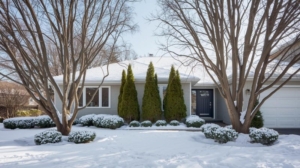
Prevention starts long before the snow flies. Structural pruning, proper planting, and smart species choices make storms less destructive. The
Iowa State Extension storm damage guide
highlights that well-maintained trees with strong central leaders and balanced crowns are less likely to fail under snow and ice.
Begin with regular, correct pruning while trees are young. The
Minnesota DNR “How to prune trees” PDF
explains how to remove weak branches and encourage strong structure that resists loading forces.
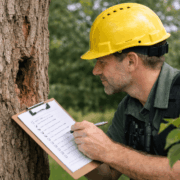
For existing mature trees, schedule periodic inspections with a certified arborist. The team at
Minnesota Tree Experts
can identify weak crotches, co-dominant stems, and decayed limbs before winter storms test them.
Site Conditions Matter
Trees in open, windy areas face more side pressure from storms. Trees near buildings may accumulate drifting snow on one side. Poor drainage or compacted soil can weaken roots and increase the risk of uprooting under heavy loads.
When planning new plantings, consider wind patterns, roof runoff, and nearby power lines. Good placement reduces both storm damage and long-term maintenance costs.
What To Do After Snow or Ice Storm Damage
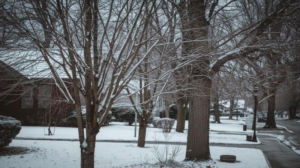
Safety comes first. The Minnesota DNR advises contacting 911 for downed power lines and avoiding damaged trees that lean or hang over structures. Their
storm-damaged tree checklist
and
tree first aid page
outline basic steps.
Once the area is safe, inspect trees from a distance. Look for broken tops, hanging branches, fresh splits, and uprooted root plates. Never climb or cut in damaged trees without proper training and gear.
The U.S. Forest Service reminds visitors to stay clear of “hazard trees” after storms, since cracked limbs can fall long after ice melts. You can review those warnings on their
hazard tree safety page.
For smaller, low branches, you may be able to prune broken limbs yourself using proper techniques. For larger branches and complex damage, contact the professionals at
Minnesota Tree Experts
for safe storm cleanup and risk assessment.
Real Experience: From Minnesota Tree Experts Customer
Minnesota winter tree damage often leads to emergency calls after storms. Fast, careful work matters. Here is a recent 5-star Google review from a Minnesota Tree Experts customer:
“Great price. We had a tree fall on our house from a storm and my insurance company recommended MN tree experts. They responded fast and are very professional.
Service: Tree stump grinding, Tree removal. They handled everything quickly and safely, and we were very grateful for their help.”
— Lei-Ann, 5-Star Review
Whether a tree has fallen, split, or just looks suspicious after heavy snow, our crew provides prompt evaluations and cleanup. We combine safety, communication, and respect for your property on every storm-damage job.
FAQ: Minnesota Winter Tree Damage

What causes most Minnesota winter tree damage?
Most damage comes from heavy snow and ice that overload weak or poorly structured branches. Wind, saturated soil, and hidden decay also contribute. Trees with multiple leaders, narrow crotches, or existing cracks usually fail first during storms.
Should I knock ice off tree branches after a storm?
No, avoid knocking or hitting ice-covered branches. Ice makes wood brittle, so shaking branches often causes more breakage. Let ice melt naturally. You can gently remove light, fluffy snow with a broom, moving from the bottom upward.
Can a tree recover after losing big limbs to snow or ice?
Many trees can recover if they still have a healthy trunk and root system. Correct pruning of broken branches and ongoing care help. However, trees with major trunk splits, heavy crown loss, or root upheaval may need removal for safety.
How can I prevent Minnesota winter tree damage on my property?
Prevention starts with regular pruning, proper planting, and species selection. Remove weak or hazardous branches before storms. Keep trees healthy with correct watering and mulching, and schedule periodic inspections with a certified arborist.
When should I call a professional tree service after storm damage?
Call a professional if you see large broken limbs, leaning trunks, uprooted roots, or damage near power lines. You should also call if you feel unsure about a tree’s stability or about safe cutting techniques.
Need Help With Minnesota Winter Tree Damage?
Winter storms will always be part of life here, but serious tree damage does not have to be. With good structure, smart planting, and timely pruning, many failures can be prevented. When storms do cause trouble, prompt, professional help makes recovery safer and smoother.
If you are worried about Minnesota winter tree damage on your property, the certified arborists at
Minnesota Tree Experts are ready to help. Explore our
tree services
for pruning, storm cleanup, and hazard evaluations, or reach out through our
contact page
to schedule an inspection. Together, we can help your trees weather every Minnesota winter more safely.

Published: December 2025
Author: Jacqueline McGreevey