4 Tree Trimming Tips for a Healthy Tree
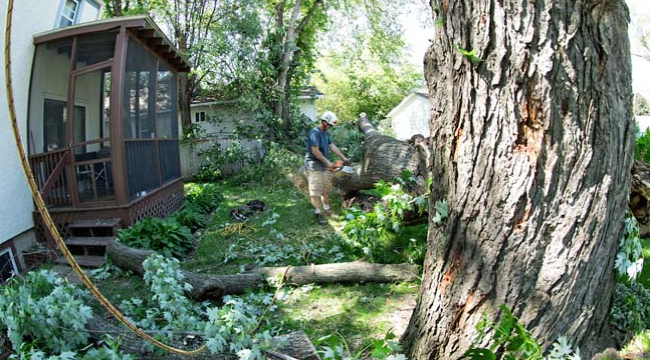
Tree trimming is more complex than many homeowners realize. Certified arborists spend years studying the
biology of trees, proper pruning techniques, structural safety, and seasonal timing. If you want your trees
to stay healthy, strong, and beautiful, following the right tree trimming tips is essential.
Improper trimming can cause long-term structural damage, reduce a tree’s lifespan, or even create future
safety hazards. These four expert-backed tips will help you make informed decisions about caring for your trees.
1. Prune With Intent and Purpose
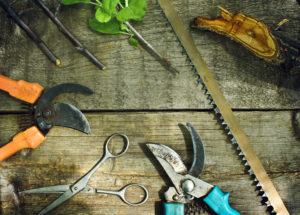
Trees are not shrubs—pruning them requires strategic cuts that support structure and long-term health.
Before trimming, identify dead, diseased, or rubbing branches. According to the
University of Florida Extension, proper pruning promotes safe growth and reduces the risk of future breakage.
Guidelines to follow:
- Remove dead or dying branches first.
- Branches under 2 inches in diameter can typically be pruned safely.
- Avoid removing any branch that holds more than 25% of the tree’s leaf canopy.
- Never prune without a plan—each cut affects future growth.
Trimming with intention protects the tree’s structure, prevents unnecessary stress, and improves appearance.
For professional pruning recommendations, visit our
Tree Trimming Services page.
2. Understand the Risks of Incorrect Cuts
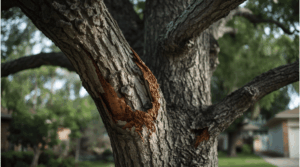
Removing the wrong branch can interfere with the tree’s internal nutrient flow. When a limb is cut improperly,
the tree may struggle to compartmentalize the wound, leading to decay or weak structural points.
Improper cuts often result in:
- Decay pockets inside the trunk
- Weak branch unions
- Sunscald or bark damage
- Stress that reduces overall vigor
The Arbor Day Foundation
stresses that pruning mistakes can take years to correct—if they can be corrected at all. When in doubt,
leave it to a certified professional.
3. Call a Certified Arborist for Proper Tree Care
While light pruning may seem simple, most trimming requires professional skill. Certified arborists understand
species-specific needs, seasonal timing, structural integrity, and hazard prevention. Trimming the wrong limb
on the wrong tree can lead to irreversible damage.
A professional evaluates:
- The tree’s age and growth pattern
- Diseased or hazardous branches
- Wind load and structural balance
- Effects on nearby structures and walkways
Hiring a trained professional protects both your trees and your property. Learn more about expert help on our
Storm Damage Tree Services page or
Tree Disease Diagnosis & Treatment page.
4. Avoid Over-Pruning—It Leads to Higher Costs
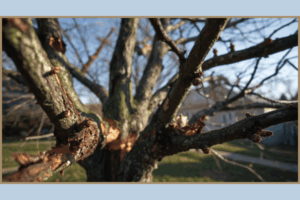
Over-pruning is one of the most common mistakes homeowners make. When too much of the canopy is removed,
trees respond by sprouting excessive new growth—called “water sprouts.” These sprouts are weaker, grow quickly,
and require frequent maintenance.
Over-pruning results in:
- Higher long-term maintenance costs
- Weaker branches more prone to storm damage
- Increased susceptibility to disease
- Stress that can shorten the tree’s lifespan
A professional trimming service ensures you only prune what is necessary—saving you money and preserving tree health.
Keep Your Trees Healthy With Proper Trimming
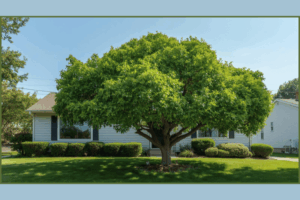
When you follow proper trimming practices, your trees stay healthier, stronger, and more resilient to storms and
disease. Whether you need selective pruning, structural shaping, disease treatment, or safe removal, our certified
arborists are here to help.
Visit our Tree Trimming Services page
or learn about safe removal options on our
Tree Removal Services page.
Certified Pesticide Applicator: 20115899 |
Certified Tree Inspector: 20103735 |
Certified Arborist: MN-4299A