Benefits to Homeowners With Healthy Trees in Their Yard
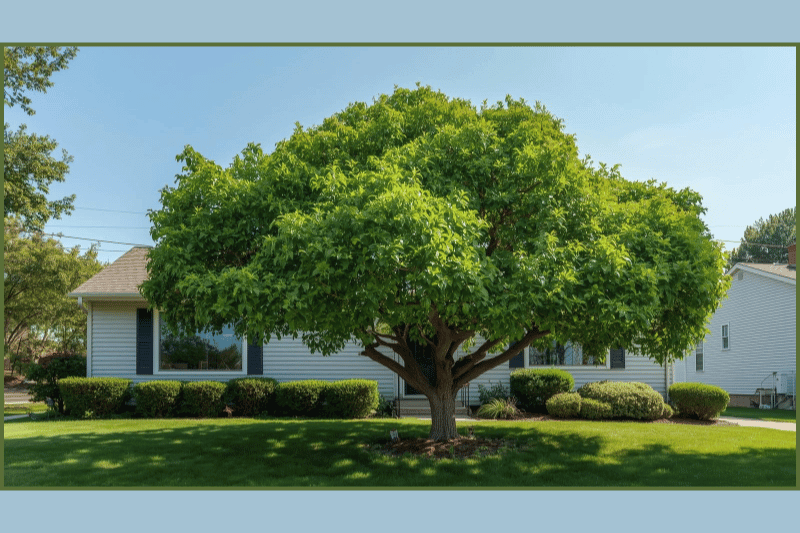
The Benefits of healthy trees extend far beyond having an attractive yard. Healthy trees provide shade, support property value, manage stormwater, improve air quality, and create comfortable outdoor spaces. Professional inspections, pruning, disease management, and preventive care can help homeowners protect these valuable landscape assets for years.
Frequently Asked Questions About the Benefits of Healthy Trees
What are the biggest benefits of healthy trees for homeowners?
Healthy trees provide shade, beauty, privacy, wildlife habitat, and protection from wind and summer heat. They can also support property value and make outdoor spaces more inviting.
Can healthy trees really increase property value?
Research has connected tree cover with higher residential property values. Mature, well-maintained trees can make a property feel established, attractive, and comfortable. However, tree condition matters. A declining or hazardous tree can create concerns instead of adding value.
How does professional tree maintenance help trees live longer?
Professional maintenance identifies structural problems, disease symptoms, dead branches, and pest activity before problems become severe. Proper pruning also improves structure without unnecessarily removing healthy branches.
How often should homeowners have mature trees inspected?
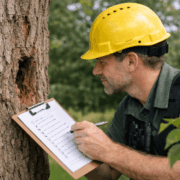
Inspection frequency depends on tree age, species, condition, location, and recent weather. Large trees near homes, driveways, sidewalks, or play areas often deserve closer monitoring. An inspection after severe storms can also identify damage that may not be obvious from the ground.
Can tree pruning actually improve tree health?
Yes, when pruning is performed correctly and for a specific purpose. Removing dead, damaged, crossing, or poorly positioned branches can improve structure and reduce potential hazards. Improper pruning can damage trees, so technique and timing matter.
Should a tree be removed simply because it has a disease?
Not always. Some tree diseases and insect problems can be managed when professionals identify them early. A qualified tree professional can determine whether treatment, monitoring, pruning, or removal provides the best solution.
Why is preventive tree care important in Minnesota?
Minnesota trees face extreme temperatures, snow, ice, wind, drought, pests, and disease. Preventive care can strengthen tree structure and identify weaknesses before severe weather exposes them.
Healthy Trees Are Valuable Parts of Your Property
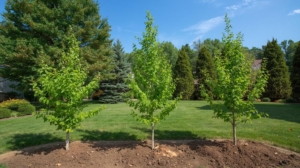
Homeowners often think about trees as permanent parts of the landscape. However, a mature tree is a living asset that changes every year. Its roots expand, branches grow, weather creates stress, and insects or diseases can appear. Good tree care protects more than appearance. It can also protect the investment you have made in your property. The U.S. Forest Service has studied the relationship between tree cover and residential property values. Research shows that tree cover can contribute measurable value within residential neighborhoods. That makes maintaining established trees especially important when they are healthy and structurally sound.
The Benefits of Healthy Trees Around Your Home
A mature tree performs several jobs at once. Some benefits remain obvious, while others happen quietly every day.
| Tree Benefit | How It Helps Your Property | How Maintenance Supports It |
|---|---|---|
| Shade | Creates cooler yards, patios, driveways, and outdoor living spaces. | Proper pruning maintains a healthy, balanced canopy. |
| Property Appeal | Mature trees can create an established and attractive landscape. | Routine care removes deadwood and supports attractive growth. |
| Stormwater Management | Leaves and roots help intercept and absorb rainfall. | Healthy root systems and canopies provide greater long-term benefits. |
| Energy Efficiency | Strategically positioned trees can shade buildings during hot weather. | Professional care preserves useful canopy without allowing hazardous growth. |
| Privacy | Trees create natural screening between neighboring properties. | Selective pruning maintains coverage while addressing weak branches. |
| Wildlife Habitat | Healthy trees provide shelter and food for birds and other wildlife. | Preservation keeps established habitat within your landscape. |
| Property Safety | Structurally sound trees reduce avoidable risks from weakened branches. | Inspections can identify defects before they become larger problems. |
Healthy Trees Can Help Keep Outdoor Spaces Cooler
Shade becomes especially valuable during Minnesota’s warm summer months. Large trees can shade patios, decks, windows, roofs, driveways, and portions of the yard. The U.S. Forest Service reports that urban trees can reduce building energy use through shading and cooling effects. However, tree placement and condition influence those benefits. A balanced canopy provides useful shade without allowing damaged branches to threaten buildings or vehicles. Professional tree trimming and pruning can help maintain that balance.
Tree Health and Property Value Are Connected
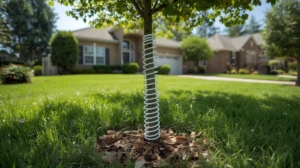
A mature landscape can take decades to develop. Removing a large tree instantly changes a property’s character, shade, privacy, and curb appeal. That does not mean every tree should remain indefinitely. Instead, homeowners should distinguish between healthy trees worth preserving and trees that create unacceptable risks. Periodic professional assessments make those decisions easier. An arborist may find a manageable issue long before removal becomes necessary. When removal is unavoidable, professional tree removal services can safely address hazardous or declining trees.
Small Tree Problems Can Become Expensive Problems
Trees often show early warning signs before major decline occurs. Those signs may include thinning foliage, dead branches, unusual leaf discoloration, cavities, cracks, or fungal growth. Homeowners may also notice insect activity or changes in bark condition. Ignoring these changes can allow manageable problems to become more serious. Minnesota Tree Experts provides tree diagnostics and treatments for diseases, insects, and other tree health concerns. Early diagnosis gives homeowners more options. Treatment may protect a valuable tree when disease or pest activity has not progressed too far.
Professional Pruning Is About More Than Appearance

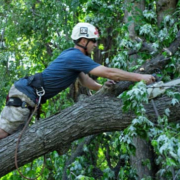
Pruning should solve a specific problem rather than simply reduce the size of a tree. A professional may remove deadwood, improve branch structure, correct clearance issues, or reduce problematic growth. Removing too much live canopy can weaken a tree rather than help it. Poor cuts can also create unnecessary wounds and future structural problems. Minnesota Tree Experts specifically cautions that improper pruning can cause greater damage than leaving a tree untouched. Homeowners can learn more in the company’s tree care FAQ.
You can also explore additional maintenance guidance on the Minnesota Tree Experts blog.
Healthy Does Not Always Mean Perfect
A healthy tree does not need perfect symmetry or flawless bark. Mature trees naturally develop character as they age. Some have old pruning wounds, unusual branching patterns, or minor defects that remain stable for years. The important question involves how those conditions affect overall health and structural integrity. This distinction can prevent unnecessary removal of valuable mature trees. It can also help homeowners recognize when a seemingly normal tree actually deserves professional attention.
Think About the Whole Property, Not Just Individual Trees
Tree health connects closely with the conditions around the tree. Soil compaction, drainage changes, construction, landscaping, and root damage can affect long-term health. Even changes several feet from the trunk may affect important roots. Homeowners planning additions, patios, driveways, landscaping, or grading should consider mature trees before construction begins. Protecting root zones during property improvements may prevent stress that appears years later.
Mature Trees Help Define Commercial Properties Too
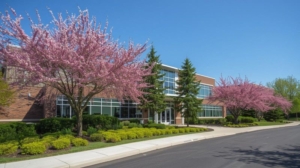
The Benefits of healthy trees also apply to businesses, offices, associations, and commercial properties. Well-maintained trees can make entrances, parking areas, walkways, and outdoor spaces feel more welcoming. Routine maintenance can also help property managers identify deadwood and clearance concerns before problems disrupt operations. Tree care works best as planned property maintenance rather than an emergency-only expense.
Minnesota Weather Makes Preventive Tree Care Important
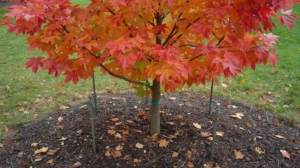
Minnesota trees experience wind, heavy snow, ice, temperature swings, drought, and summer storms. A tree may look healthy yet contain weak branch unions or damaged limbs. Those defects often become apparent during severe weather. Preventive maintenance cannot eliminate storm damage. However, identifying deadwood and structural concerns can reduce some avoidable risks. After severe weather, Minnesota Tree Experts also provides professional storm-damaged tree care.
What Should Homeowners Watch Between Professional Visits?
Homeowners do not need professional equipment to notice meaningful changes.
Walk around your property several times each year and compare trees with their previous appearance.
- Look for newly dead or hanging branches.
- Watch for cracks in trunks or major branch unions.
- Notice sudden leaning or soil movement near roots.
- Check for thinning foliage or unusual leaf color.
- Watch for mushrooms or fungal growth around trunks.
- Look for holes, insects, or unusual bark damage.
- Notice branches contacting roofs, structures, or utility areas.
A change does not automatically mean the tree needs removal.
It does mean the tree may deserve a closer professional evaluation.
What Minnesota Tree Experts Customers Say
“These guys do great work and are super reliable! I plan to stay a repeat customer!”
Protect the Trees That Add Value to Your Property
Healthy mature trees are difficult to replace. A newly planted tree may need decades to provide the same shade, character, and environmental benefits. That makes thoughtful maintenance worthwhile. The goal should not simply involve keeping every tree. The goal should involve preserving healthy trees while identifying unsafe or declining trees at the right time.
Minnesota Tree Experts has provided professional tree care for Minnesota homes and businesses for more than 27 years. The team includes a Certified Arborist and Certified Tree Inspector for professional evaluation and care. If you have questions about trees on your property, schedule an assessment before a small concern becomes larger.
Contact Minnesota Tree Experts today to request professional tree care or a tree evaluation.
Learn more about tree maintenance, disease management, storm damage, and tree safety on the Minnesota Tree Experts blog.
Published August 2026.