How Can I Tell If a Tree Is Dangerous Before Winter?
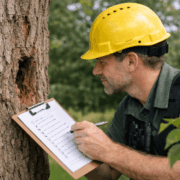
Dangerous tree signs can include large dead branches, cracks, cavities, root movement, fungal growth, severe leaning, and broken limbs. Before Minnesota winter arrives, homeowners should inspect trees for structural problems that could worsen under snow, ice, or strong winds.
Frequently Asked Questions About Dangerous Trees
How can I tell if a tree is dangerous?
Look for large dead branches, deep cracks, hanging limbs, cavities, decay, root movement, or a sudden change in lean. Trees near homes, driveways, sidewalks, and power lines deserve extra attention.
Does a leaning tree always need to be removed?
No. Some trees naturally lean and remain stable for years. A new or increasing lean, especially with soil movement or exposed roots, is more concerning.
Are mushrooms growing near a tree dangerous?
Not always, but fungal growth near the trunk or roots can sometimes indicate internal decay. A professional inspection can help determine whether the tree has structural damage.
Are dead branches more dangerous in winter?
They can be. Snow, ice, and wind can add stress to weakened branches and increase the chance of failure.
Can a cracked tree be saved?
Sometimes. The location, depth, and size of the crack matter. Some trees may benefit from pruning, cabling, bracing, or monitoring, while severely damaged trees may require removal.
When should I call an arborist about a dangerous tree?
Call for an evaluation when a tree has large dead limbs, significant cracks, visible decay, root movement, storm damage, or structural problems near people or property.
Why Check for Dangerous Tree Signs Before Minnesota Winter?
A tree can look stable during calm fall weather and still have hidden structural weaknesses. Minnesota snow, ice, and winter winds can place additional weight and force on branches and trunks. That does not mean every imperfect tree will fail. However, fall is a practical time to identify visible problems before winter weather makes access more difficult. Pay special attention to trees near homes, garages, driveways, sidewalks, play areas, parking spaces, and other high-use areas.
1. Look for Large Dead Branches
Dead branches are one of the easiest warning signs to recognize. They may have no leaves during the growing season, loose bark, broken twigs, or visible decay. Large dead branches can become more concerning when they extend over buildings or areas where people spend time. Snow and ice can add weight to already weakened wood. Do not assume a branch is safe because it has remained in place for several seasons. Its condition can continue changing over time. Minnesota Tree Experts provides professional tree trimming and pruning for dead, damaged, and structurally weak branches.
2. Check for Broken or Hanging Limbs
Storms can leave branches partially attached to the tree. These limbs may remain suspended in the canopy after the original damage occurs. A hanging branch can shift without warning. Wind, snow, or ice may eventually cause it to fall. Look upward from several angles when inspecting the tree. Broken limbs can be difficult to see from directly below. Avoid standing beneath a damaged branch while inspecting it. Large suspended limbs should be handled by trained tree-care professionals.
3. Watch for Deep Cracks in the Trunk or Major Branches
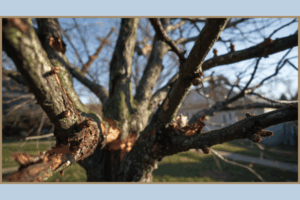
Cracks can indicate that wood fibers have started separating. The seriousness depends on the location, depth, length, and surrounding tree structure. Pay particular attention to cracks where large branches join the trunk. Weak branch unions can experience significant stress during winter weather. A crack running through a major trunk section deserves professional evaluation. It does not automatically mean the tree must be removed.
Cracks Are More Concerning When They Include:
- Visible separation between trunk sections
- Decay inside the crack
- Loose or broken bark
- Large branches above homes or traffic areas
- Recent changes in the crack
- Movement during wind
4. Look for Cavities and Visible Decay
Tree cavities can develop after old wounds, branch failures, disease, or decay. Some trees continue growing for years with cavities. The presence of a cavity alone does not determine whether a tree is dangerous. Location and remaining sound wood matter. Large cavities near the base or major branch unions deserve closer attention. Soft, crumbly, or extensively decayed wood may indicate reduced structural strength. Do not attempt to fill a cavity with concrete or other materials. Modern tree care generally focuses on assessing the tree rather than filling internal decay.
5. Pay Attention to Mushrooms and Fungal Growth
Mushrooms around a tree can have several causes. Some fungi break down dead organic material and do not indicate serious tree failure. Others may be associated with root or trunk decay. University of Minnesota Extension notes that certain root-rot fungi can weaken wood and increase the likelihood of trees breaking or falling during storms. Pay attention to clusters of mushrooms around the trunk flare or root area, especially when combined with canopy decline or soft wood. If you notice unusual fungi and tree decline, consider a professional tree disease diagnosis.
6. Check Whether the Tree Has Started Leaning
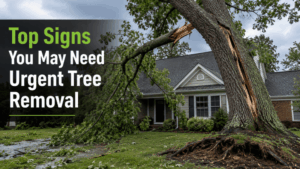
Not every leaning tree is dangerous. Some trees grow at an angle because they adapted to sunlight, slope, or surrounding competition. A recent change is more important than the angle alone. A tree that suddenly leans farther than before may have root or structural problems.
Warning Signs Around a Leaning Tree Include:
- Fresh soil cracks near the base
- Soil lifting on one side
- Newly exposed roots
- A recent increase in lean
- Root decay or damage
- Movement during moderate wind
University of Minnesota Extension notes that root problems can sometimes contribute to abnormal leaning and winter damage.
7. Inspect the Root Area for Movement or Damage
The root system anchors the entire tree. Problems below ground are often harder to see than damaged branches. Walk around the base and look for disturbed soil, cut roots, construction damage, or obvious changes around the root flare. Recent excavation near a mature tree can also affect stability. Roots may extend much farther than the visible canopy edge. A tree with both root damage and a heavy canopy may deserve closer professional inspection.
8. Look for Weak Forks and Multiple Trunks
Some trees develop two or more competing trunks. The connection between those trunks may be structurally weaker than a single strong leader. Narrow branch angles and included bark can create weak unions. These areas may separate under heavy loads. Watch for cracks, seams, or movement where major stems meet. Large codominant trunks near homes or driveways deserve particular attention. Some structurally valuable trees may benefit from cabling or bracing after professional evaluation.
9. Notice Significant Canopy Dieback
A few dead twigs do not necessarily indicate a dangerous tree. Large dead sections of canopy deserve more attention. Canopy dieback can result from root problems, disease, drought stress, insects, or other conditions. The underlying cause should guide the response. Look for branches that failed to leaf normally during summer or died during the growing season. Compare one side of the canopy with the other. Progressive decline over several years may be more concerning than one isolated dead branch.
10. Check for Bark Changes Around the Trunk
Bark protects living tissues beneath the surface. Large areas of missing, loose, cracked, or sunken bark may indicate injury or disease. However, not every unusual bark pattern is harmful. Some trees naturally develop distinctive bark textures as they mature. Focus on changes that appear alongside dead branches, decay, cracks, or canopy decline. Those combinations provide more useful information than bark appearance alone.
Which Dangerous Tree Signs Need Faster Attention?
Some tree problems are more urgent because of where the tree stands. A defect over an unused wooded area creates a different risk than the same defect above a home.
| Tree Condition | Why It Matters | Suggested Next Step |
|---|---|---|
| Large hanging branch | May fall without warning | Arrange professional evaluation promptly |
| Fresh trunk crack | May indicate structural separation | Have the tree assessed |
| New lean with soil movement | May indicate root instability | Keep people away and request evaluation |
| Major dead limb over a structure | Failure could damage property | Schedule professional pruning assessment |
| Fungal growth with decay | May indicate weakened wood or roots | Request diagnosis and risk assessment |
| Minor dead twigs | Usually lower urgency | Monitor or address during routine pruning |
Location Matters as Much as the Defect
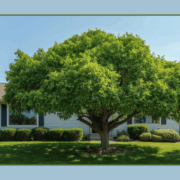
Tree risk depends partly on what could be hit if something fails. Arborists often consider both the tree condition and the surrounding targets. A compromised branch above a bedroom, driveway, sidewalk, playground, or parking area deserves more attention than one above an unused section of yard. Look beyond the tree itself during your fall inspection. Consider where people, vehicles, buildings, fences, and utilities are located.
Can a Dangerous Tree Be Saved?
Sometimes. A tree with one damaged branch may only need corrective pruning. A structurally weak tree might benefit from cabling or bracing. Another tree may require disease treatment or ongoing monitoring. Removal may become appropriate when the structural problem is severe and the potential consequences of failure are high. Minnesota Tree Experts provides professional tree removal when a tree cannot be safely retained.
Do Not Diagnose Tree Risk From One Symptom Alone
One visible symptom rarely tells the entire story. A hollow area does not automatically mean failure is imminent. A leaning tree does not automatically require removal. Mushrooms do not always mean the root system is severely decayed. Look for combinations of symptoms instead. Structural defects, decay, canopy decline, root problems, and location should be considered together.
Why Winter Can Expose Existing Tree Weaknesses
Snow and ice add weight to branches. Strong winter winds can place additional force on the canopy and trunk. Freeze-thaw cycles can also affect existing cracks and damaged tissues. Winter does not create every structural problem, but it can make existing weaknesses more noticeable. That is why fall inspection is useful. Potential concerns can be identified before conditions become more difficult.
Should I Remove Snow From Tree Branches?
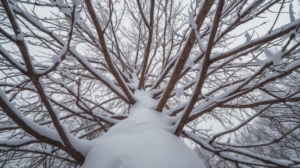
Use caution. Shaking frozen branches can cause additional breakage. Do not stand beneath large snow-loaded limbs. Avoid attempting to knock ice from branches with tools. If heavy snow creates a serious concern near a structure or walkway, contact a professional tree-care provider.
What About Trees Near Power Lines?
Trees and branches near energized utility lines require special precautions. Homeowners should not attempt pruning near power lines themselves. Contact the appropriate utility provider when vegetation is interfering with electrical lines. Qualified professionals should handle other tree work involving electrical hazards.
When Should I Call Minnesota Tree Experts?
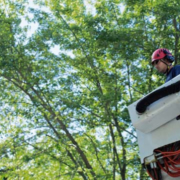
Consider scheduling an evaluation when you notice structural changes that are difficult to interpret. Large defects and high-value targets deserve professional attention. Call when you see a major hanging branch, new tree lean, significant trunk crack, extensive decay, root movement, or serious storm damage. Minnesota Tree Experts provides tree assessments, trimming, removal, diagnostics, cabling, bracing, stump grinding, and emergency tree services throughout the Twin Cities area.
Connect Tree Safety to Your Fall Tree Care Plan
A hazard inspection is only one part of preparing trees for winter. Moisture, mulch, pruning timing, disease concerns, young-tree protection, and other seasonal tasks also matter. Review How Should I Prepare My Trees for Winter in Minnesota? A Fall Tree Care Checklist for the complete seasonal overview. Address the most important safety concerns first. Other maintenance can then be scheduled according to tree condition and proper seasonal timing.
Check Your Trees Before Winter Weather Arrives
You do not need to predict exactly how a tree will behave during every storm. The goal is to recognize warning signs that deserve closer attention. Walk around your trees before winter and look for dead limbs, cracks, cavities, root changes, decay, and structural problems. Pay close attention to anything over people or property. If something looks different or concerning, professional evaluation can help clarify the next step. Some trees need pruning or support, while others may require removal.
Contact Minnesota Tree Experts to schedule an assessment, tree trimming, or removal before Minnesota winter weather arrives.

Published October 2026
Authored by Jacqueline McGreevey & Expert Review by Jacob Gall Owner – Arborist